
Anaphylaxis Unmasked: Understanding the Symptoms and Treatment of a Severe Allergic Reaction

- 09 April 2023 18:00:08
- Views: 1406

Anaphylaxis: Understanding the Symptoms and Treatment of a Life-Threatening Allergic Reaction
Allergies are a common condition that many people experience in their daily lives. However, in some cases, an allergic reaction can quickly escalate to a life-threatening condition known as anaphylaxis. Anaphylaxis is a severe allergic reaction that can occur suddenly and can be fatal if not treated promptly. In this article, we will explore the symptoms and treatment of anaphylaxis to help raise awareness about this serious condition.
Symptoms of Anaphylaxis:
Anaphylaxis can manifest in various ways and can affect different organs in the body. Common symptoms of anaphylaxis include:
Difficulty breathing or shortness of breath: Anaphylaxis can cause swelling and tightening of the airways, leading to breathing difficulties. This can result in wheezing, coughing, and a feeling of chest tightness.
Swelling: Anaphylaxis can cause swelling of the face, lips, tongue, and throat. Swelling may also occur in other parts of the body, such as the hands, feet, or genitals.
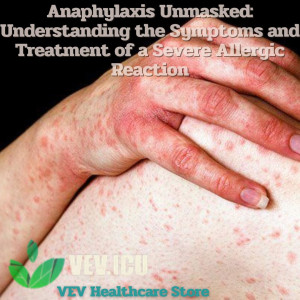
Hives or rash: Hives, also known as urticaria, are itchy raised bumps on the skin that can occur during an allergic reaction, including anaphylaxis. A rash may also develop, which can be red, itchy, and widespread.
Rapid or weak pulse: Anaphylaxis can cause changes in heart rate, such as a rapid or weak pulse. This can be a sign of a severe allergic reaction and may indicate a drop in blood pressure.
Nausea, vomiting, or diarrhea: Anaphylaxis can affect the gastrointestinal system, leading to symptoms such as nausea, vomiting, or diarrhea.
Feeling lightheaded or fainting: Anaphylaxis can cause a drop in blood pressure, leading to a feeling of lightheadedness or fainting. This can be a dangerous symptom and may require immediate medical attention.
Confusion or altered mental state: Anaphylaxis can affect the nervous system, leading to confusion, agitation, or changes in mental state. This can be a sign of a severe allergic reaction and may require urgent medical intervention.
Chest pain or tightness: Anaphylaxis can cause chest pain or tightness, which can be a symptom of a severe allergic reaction affecting the heart or lungs.
Treatment of Anaphylaxis:
Anaphylaxis is a medical emergency that requires immediate attention. If you suspect that you or someone else is experiencing anaphylaxis, it is important to seek medical help immediately by calling emergency services. While waiting for medical assistance, there are some steps that can be taken to help manage the situation:
Use an epinephrine auto-injector: If the person experiencing anaphylaxis has been prescribed an epinephrine auto-injector (such as an EpiPen), administer it as directed. Epinephrine is a medication that can quickly reverse the symptoms of anaphylaxis and is the first-line treatment for this condition.
Lie flat or sit up: If the person is feeling lightheaded or faint, lying flat with their legs elevated can help improve blood flow to the brain. If they are having difficulty breathing, sitting up may help relieve airway constriction.
Remove triggers if possible: If the trigger of the allergic reaction is known (such as a bee stinger or a food allergen), try to remove it if possible to prevent further exposure.
Perform CPR if needed: If the person experiencing anaphylaxis loses consciousness and does not have a pulse, perform cardiopulmonary res
Buyers Online
- Customer placed a new order for NIMESIL 2G X 30 SACHETS 100 MG — MADE IN GERMANY — FREE SHIPPING
- Customer from Brooklyn updated their account details
- Customer from Brooklyn logged in
- Customer from Strongsville logged in
- Customer from Brooklyn updated their account details
- Customer from Brooklyn placed a new order for VOLTAREN MAX GEL 180G - MADE IN SWITZERLAND - FREE SHIPPING
- Customer from Brooklyn logged in
- Customer placed a new order for DEBUTIR FORTE 60 СAPS — MADE IN POLAND- FREE SHIPPING
- Customer from Ottawa updated their account details
- Customer from Ottawa registered for an account
- Customer placed a new order for STRESAM 50MG 60 PILLS - MADE IN FRANCE - FREE SHIPPING
- Customer placed a new order for ACNE-DERM Cream 2p x 20Gr — Made in Poland by Uniapharm — Free Delivery
- Customer placed a new order for Ascorbic acid 0,05g 2p x 160 tablets — Made in Ukraine — Free Delivery
- Customer placed a new order for Fanigan 100 tablets — Made in India — Free Delivery
- Customer from Raleigh placed a new order for Essentiale Forte 300 mg, 2p x 50 capsules — Made in Poland — Free Delivery
- Customer from Raleigh logged in
- Customer placed a new order for TENOTEN FOR CHILDREN 40 PILLS — MADE IN LITHUANIA — FREE SHIPPING
- Customer from Raleigh logged in
- Customer placed a new order for Aqua Maris for Children from Birth nasal drops 10 ml — Made in Croatia — Free Deliver
- Customer from Raleigh logged in
Latest





Bestsellers