




Anorexia Nervosa: Understanding the Symptoms and Treatment

- 11 April 2023 21:26:30
- Views: 1263
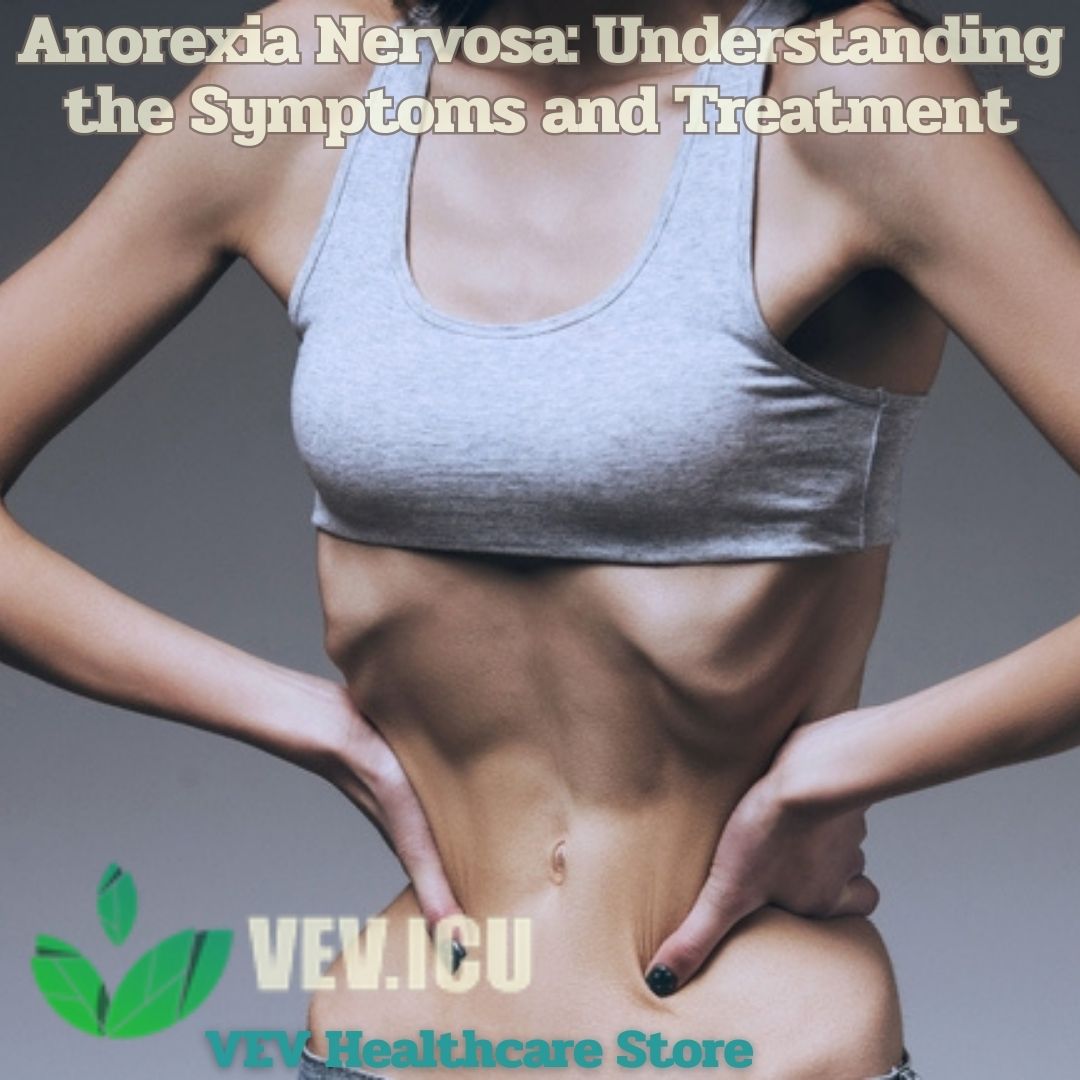
Anorexia nervosa, commonly known as anorexia, is a serious and potentially life-threatening eating disorder characterized by an intense fear of gaining weight and a distorted body image that leads to self-imposed food restriction and excessive weight loss. It often starts during adolescence or early adulthood and can have severe physical, emotional, and social consequences. Understanding the symptoms and treatment options for anorexia nervosa is crucial for early detection and effective management of this complex disorder.
Symptoms of Anorexia Nervosa:
The hallmark symptom of anorexia nervosa is an extreme preoccupation with body weight, shape, and size, which leads to a relentless pursuit of thinness. People with anorexia may exhibit a variety of physical, emotional, and behavioral symptoms, including:
Dramatic weight loss: People with anorexia may have a significantly low body weight, often well below the expected weight for their age, height, and gender. However, despite their emaciated appearance, they may still perceive themselves as overweight.
Distorted body image: An individual with anorexia may have a distorted perception of their body image. They may obsessively view themselves as fat, even when they are severely underweight.
Food restriction: People with anorexia may severely limit their food intake, avoid certain types of food, and exhibit rigid eating behaviors. They may have strict rules around eating, such as eating only certain foods or avoiding meals altogether.
Excessive exercise: An individual with anorexia may engage in excessive physical activity, such as strenuous exercise or constant movement, as a way to burn off calories and prevent weight gain.
Behavioral changes: People with anorexia may exhibit changes in behavior, such as social withdrawal, avoidance of social situations involving food, and a heightened preoccupation with food, weight, and body image.
Physical symptoms: Anorexia can cause a range of physical symptoms, including fatigue, weakness, dizziness, constipation, dry skin, thinning hair, and brittle nails. In severe cases, it can also lead to medical complications such as electrolyte imbalances, osteoporosis, heart problems, and even death.
Treatment of Anorexia Nervosa:
The treatment of anorexia nervosa usually involves a multi-disciplinary approach that addresses the physical, psychological, and nutritional aspects of the disorder. Early intervention is crucial in order to prevent the condition from worsening and to increase the chances of recovery. The treatment options for anorexia may include:
Medical intervention: People with anorexia may require medical treatment to address the physical complications associated with the disorder. This may involve hospitalization to restore weight, correct electrolyte imbalances, and manage any other medical complications.
Nutritional therapy: Nutritional counseling plays a critical role in the treatment of anorexia. Registered dieticians can help individuals with anorexia establish healthy eating patterns, normalize their relationship with food, and develop a healthy body weight.
Psychotherapy: Psychotherapy, including individual, group, and family therapy, is an essential component of anorexia treatment. Therapists can help individuals with anorexia address the psychological factors contributing to their disorder, such as low self-esteem, distorted body image, and perfectionism.
Medication: In some cases, medication may be used as part of the treatment plan for anorexia. Antidepressants, antianxiety medications, and other psychiatric medications may be prescribed to manage co-occurring mental health conditions, such as depression or anxiety.
Supportive care: Supportive care, including regular monitoring of weight, vital signs, and overall well-being, can help individuals with anorexia in their recovery journey. It can provide encouragement, motivation, and accountability to maintain healthy behaviors and prevent relapse.
Collaborative care: Anorexia nervosa often requires a collaborative approach involving a team of healthcare professionals, including physicians, dieticians, therapists, and psychiatrists. This interdisciplinary approach ensures that all aspects of the disorder are addressed comprehensively.
Cognitive-behavioral therapy (CBT): CBT is a commonly used therapeutic approach in the treatment of anorexia. It focuses on identifying and changing distorted thoughts and behaviors related to food, body image, and weight. CBT also helps individuals develop healthy coping skills to manage stress, emotions, and body dissatisfaction.
Family-based therapy: Family-based therapy, also known as the Maudsley method, is a specialized treatment approach for adolescents with anorexia. It involves the family as an active participant in the treatment process, helping to support the individual in their recovery by fostering a healthy family environment and addressing any family dynamics that may contribute to the eating disorder.
Relapse prevention: An important part of anorexia treatment is relapse prevention. Individuals with anorexia are at risk of relapse even after successful treatment, and it is crucial to have strategies in place to prevent relapse. This may involve ongoing therapy, support groups, and self-care practices to maintain a healthy lifestyle and mindset.
It is important to note that the treatment for anorexia should be tailored to the individual's unique needs and circumstances. A comprehensive assessment by a qualified healthcare professional is necessary to determine the most appropriate treatment plan.
Conclusion:
Anorexia nervosa is a complex and serious eating disorder that requires early detection and intervention for effective management. It is characterized by intense fear of gaining weight, distorted body image, and self-imposed food restriction leading to excessive weight loss. Treatment often involves a multi-disciplinary approach that addresses the physical, psychological, and nutritional aspects of the disorder. Medical intervention, nutritional therapy, psychotherapy, medication, supportive care, cognitive-behavioral therapy, family-based therapy, and relapse prevention strategies are all important components of a comprehensive treatment plan. With early intervention and proper care, recovery from anorexia nervosa is possible. If you or someone you know may be struggling with anorexia, it is important to seek professional help and support as soon as possible.
Buyers Online
- Customer from Brooklyn updated their account details
- Customer from Brooklyn logged in
- Customer from Strongsville logged in
- Customer from Brooklyn updated their account details
- Customer from Brooklyn placed a new order for VOLTAREN MAX GEL 180G - MADE IN SWITZERLAND - FREE SHIPPING
- Customer from Brooklyn logged in
- Customer placed a new order for DEBUTIR FORTE 60 СAPS — MADE IN POLAND- FREE SHIPPING
- Customer from Ottawa updated their account details
- Customer from Ottawa registered for an account
- Customer placed a new order for STRESAM 50MG 60 PILLS - MADE IN FRANCE - FREE SHIPPING
- Customer placed a new order for ACNE-DERM Cream 2p x 20Gr — Made in Poland by Uniapharm — Free Delivery
- Customer placed a new order for Ascorbic acid 0,05g 2p x 160 tablets — Made in Ukraine — Free Delivery
- Customer placed a new order for Fanigan 100 tablets — Made in India — Free Delivery
- Customer from Raleigh placed a new order for Essentiale Forte 300 mg, 2p x 50 capsules — Made in Poland — Free Delivery
- Customer from Raleigh logged in
- Customer placed a new order for TENOTEN FOR CHILDREN 40 PILLS — MADE IN LITHUANIA — FREE SHIPPING
- Customer from Raleigh logged in
- Customer placed a new order for Aqua Maris for Children from Birth nasal drops 10 ml — Made in Croatia — Free Deliver
- Customer from Raleigh logged in
- Customer from Raleigh placed a new order for Essentiale Forte 300 mg, 2p x 50 capsules — Made in Poland — Free Delivery
Latest










Bestsellers