Astigmatism: Symptoms, Causes, Treatments, Diagnosis

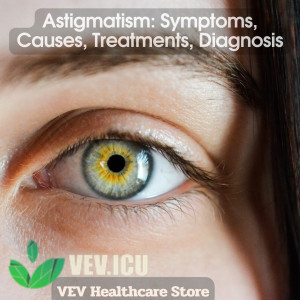
- 11 October 2023 19:40:00
- Views: 753

Astigmatism: Understanding the Blurry Vision Enigma
At the age of 40, many of us begin to notice changes in our vision. It's not uncommon to experience difficulties in focusing on both near and distant objects, and sometimes, those letters on the screen or the page just seem a bit blurrier than they used to. If you've found yourself in this situation, it's possible that you might be dealing with a common vision condition known as astigmatism. In this comprehensive guide, we will explore astigmatism in-depth, including its symptoms, causes, diagnosis, and available treatment options. So, let's embark on a journey to shed light on this enigma and find clarity in your vision.
Understanding Astigmatism
What is Astigmatism?
Astigmatism is a refractive error of the eye that affects the way light enters the eye and is focused on the retina. In a healthy eye, the cornea (the clear, front surface of the eye) and the lens are smooth and evenly curved, similar to the shape of a basketball. This allows light to be focused precisely on the retina, resulting in clear vision.
However, in individuals with astigmatism, the cornea or lens has an irregular shape, more like that of a football. This causes light to be refracted unevenly, resulting in distorted and blurry vision. Astigmatism is a common vision problem, and the degree of blurriness can vary from person to person.
Types of Astigmatism
There are several types of astigmatism:
Corneal Astigmatism: This is the most common type, where the cornea has an irregular shape.
Lenticular Astigmatism: In this type, the lens inside the eye is irregularly shaped.
Myopic Astigmatism: This occurs when there is nearsightedness (myopia) along with astigmatism.
Hyperopic Astigmatism: This occurs when there is farsightedness (hyperopia) along with astigmatism.
Mixed Astigmatism: This is a combination of myopic and hyperopic astigmatism.
Recognizing the Symptoms
Common Symptoms of Astigmatism
As you enter your 40s, you may begin to experience various visual disturbances, and astigmatism might be one of the culprits behind them. Here are some common symptoms to watch out for:
Blurred Vision: Blurriness in both near and distant vision is a hallmark symptom of astigmatism.
Distorted Vision: Objects may appear stretched, skewed, or wavy.
Eye Strain: Prolonged periods of reading or staring at screens may lead to eye discomfort and fatigue.
Headaches: Struggling to focus can result in frequent headaches, especially after close-up tasks.
Difficulty with Night Vision: Poor contrast sensitivity can make it challenging to see in low-light conditions.
Squinting: You might find yourself squinting to try and bring objects into focus.
Frequent Changes in Prescription: If you've been wearing corrective lenses and notice a need for frequent prescription changes, astigmatism could be the culprit.
Remember, these symptoms can vary in intensity and may not always be severe. If you suspect you have astigmatism, it's essential to consult an eye care professional for a comprehensive eye exam.
Investigating the Causes
What Leads to Astigmatism?
Astigmatism can be present from birth (congenital) or develop later in life. While the exact cause of congenital astigmatism is not always clear, several factors contribute to the development of astigmatism in adults:
Corneal Shape: Irregularities in the shape of the cornea or lens can lead to astigmatism. These irregularities can be hereditary or caused by eye injuries or surgeries.
Genetics: A family history of astigmatism can increase your risk of developing this condition.
Keratoconus: This is a progressive eye disorder where the cornea gradually thins and bulges outward, leading to astigmatism.
Eye Surgery: Certain eye surgeries, such as cataract surgery or corneal transplantation, can induce astigmatism as a side effect.
Eye Injuries: Trauma to the eye can alter the shape of the cornea and cause astigmatism.
Other Eye Conditions: Conditions like keratoglobus or pellucid marginal degeneration can contribute to astigmatism.
It's important to note that astigmatism is not a result of poor habits like reading in low light or sitting too close to the TV. These factors may contribute to eye strain but are not direct causes of astigmatism.
Seeking Clarity through Diagnosis
Diagnosing Astigmatism
If you're experiencing any of the symptoms mentioned earlier, it's crucial to consult an eye care professional for a comprehensive eye examination. Here's what you can expect during the diagnostic process:
Visual Acuity Test: This standard eye chart test assesses your ability to see at various distances, helping to determine the extent of your vision problem.
Keratometry: A keratometer measures the curvature of your cornea. Irregularities in corneal curvature are indicative of astigmatism.
Refraction Test: This test involves looking through a device with various lenses to determine the most accurate prescription for your vision correction.
Corneal Topography: This advanced imaging technique maps the surface of your cornea, providing detailed information about its shape and any irregularities.
Pupil Dilation: Your eye care provider may use eye drops to dilate your pupils, allowing for a more thorough examination of your eye's internal structures.
Corneal Staining: In some cases, a special dye is used to assess the health of the cornea's surface.
Once diagnosed, your eye care professional will discuss treatment options based on the severity of your astigmatism and your individual needs.
Clearing Up the Treatment Options
Managing Astigmatism
The good news is that astigmatism is highly treatable, and there are several effective options available:
Eyeglasses: Prescription eyeglasses are the most common and least invasive way to correct astigmatism. Specialized lenses called toric lenses are prescribed to counteract the uneven curvature of the cornea or lens.
Contact Lenses: Toric contact lenses are another popular choice for astigmatism correction. These lenses are designed to stay in the correct position on the eye, ensuring consistent vision.
Orthokeratology (Ortho-K): This non-surgical option involves the use of specially designed contact lenses that are worn overnight. They gently reshape the cornea, providing clearer vision during the day.
Refractive Surgery: For those seeking a more permanent solution, refractive surgeries such as LASIK (Laser-Assisted in Situ Keratomileusis) or PRK (Photorefractive Keratectomy) can be considered. These procedures reshape the cornea to correct vision.
Astigmatic Keratotomy: In some cases, your ophthalmologist may recommend this surgical procedure to change the shape of the cornea, reducing astigmatism.
The choice of treatment depends on factors such as the severity of your astigmatism, your lifestyle, and your preferences. Your eye care professional will work with you to determine the best option for your specific needs.
Living with Astigmatism
Tips for Managing Astigmatism
If you've been diagnosed with astigmatism, there are several steps you can take to manage it effectively and ensure a comfortable life with clear vision:
Regular Check-ups: Schedule routine eye examinations to monitor changes in your astigmatism and adjust your prescription as needed.
Proper Contact Lens Care: If you wear contact lenses, adhere to a strict cleaning and replacement schedule to prevent eye infections and discomfort.
Eye-Friendly Habits: Practice good eye habits such as taking regular breaks from screens, ensuring proper lighting when reading, and using lubricating eye drops if you experience dryness.
Protect Your Eyes: Wear protective eyewear when participating in sports or activities that pose a risk of eye injury.
Healthy Lifestyle: Maintain a well-balanced diet rich in eye-friendly nutrients, and avoid smoking, which can worsen eye conditions.
Manage Allergies: If you have allergies that affect your eyes, seek treatment to minimize their impact on your vision.
Remember, astigmatism is a common condition, and with the right treatment and lifestyle adjustments, you can enjoy clear and comfortable vision.
Conclusion
As you reach the age of 40, it's essential to pay attention to changes in your vision, and astigmatism is a common culprit for blurry vision and discomfort. Fortunately, astigmatism is highly treatable, and with the guidance of an eye care professional, you can regain clear vision and improve your quality of life.
Whether you opt for eyeglasses, contact lenses, orthokeratology, or refractive surgery, the key is to take proactive steps in managing your astigmatism. With the right treatment and ongoing care, you can continue to enjoy the world with the clarity of vision you deserve.
Remember, your eyes are precious, and maintaining good eye health should be a priority. So, don't hesitate to seek professional help if you suspect you have astigmatism or any other vision-related concerns. Clear vision is within reach, and with the right guidance, you can navigate your 40s with confidence and clarity.
Buyers Online
- Customer from Brooklyn updated their account details
- Customer from Brooklyn logged in
- Customer from Strongsville logged in
- Customer from Brooklyn updated their account details
- Customer from Brooklyn placed a new order for VOLTAREN MAX GEL 180G - MADE IN SWITZERLAND - FREE SHIPPING
- Customer from Brooklyn logged in
- Customer placed a new order for DEBUTIR FORTE 60 СAPS — MADE IN POLAND- FREE SHIPPING
- Customer from Ottawa updated their account details
- Customer from Ottawa registered for an account
- Customer placed a new order for STRESAM 50MG 60 PILLS - MADE IN FRANCE - FREE SHIPPING
- Customer placed a new order for ACNE-DERM Cream 2p x 20Gr — Made in Poland by Uniapharm — Free Delivery
- Customer placed a new order for Ascorbic acid 0,05g 2p x 160 tablets — Made in Ukraine — Free Delivery
- Customer placed a new order for Fanigan 100 tablets — Made in India — Free Delivery
- Customer from Raleigh placed a new order for Essentiale Forte 300 mg, 2p x 50 capsules — Made in Poland — Free Delivery
- Customer from Raleigh logged in
- Customer placed a new order for TENOTEN FOR CHILDREN 40 PILLS — MADE IN LITHUANIA — FREE SHIPPING
- Customer from Raleigh logged in
- Customer placed a new order for Aqua Maris for Children from Birth nasal drops 10 ml — Made in Croatia — Free Deliver
- Customer from Raleigh logged in
- Customer from Raleigh placed a new order for Essentiale Forte 300 mg, 2p x 50 capsules — Made in Poland — Free Delivery
Latest










Bestsellers