Basil (Ocimum basilicum) - what kind of plant is this? Properties, benefits, indications

- 15 June 2023 22:39:03
- Views: 569
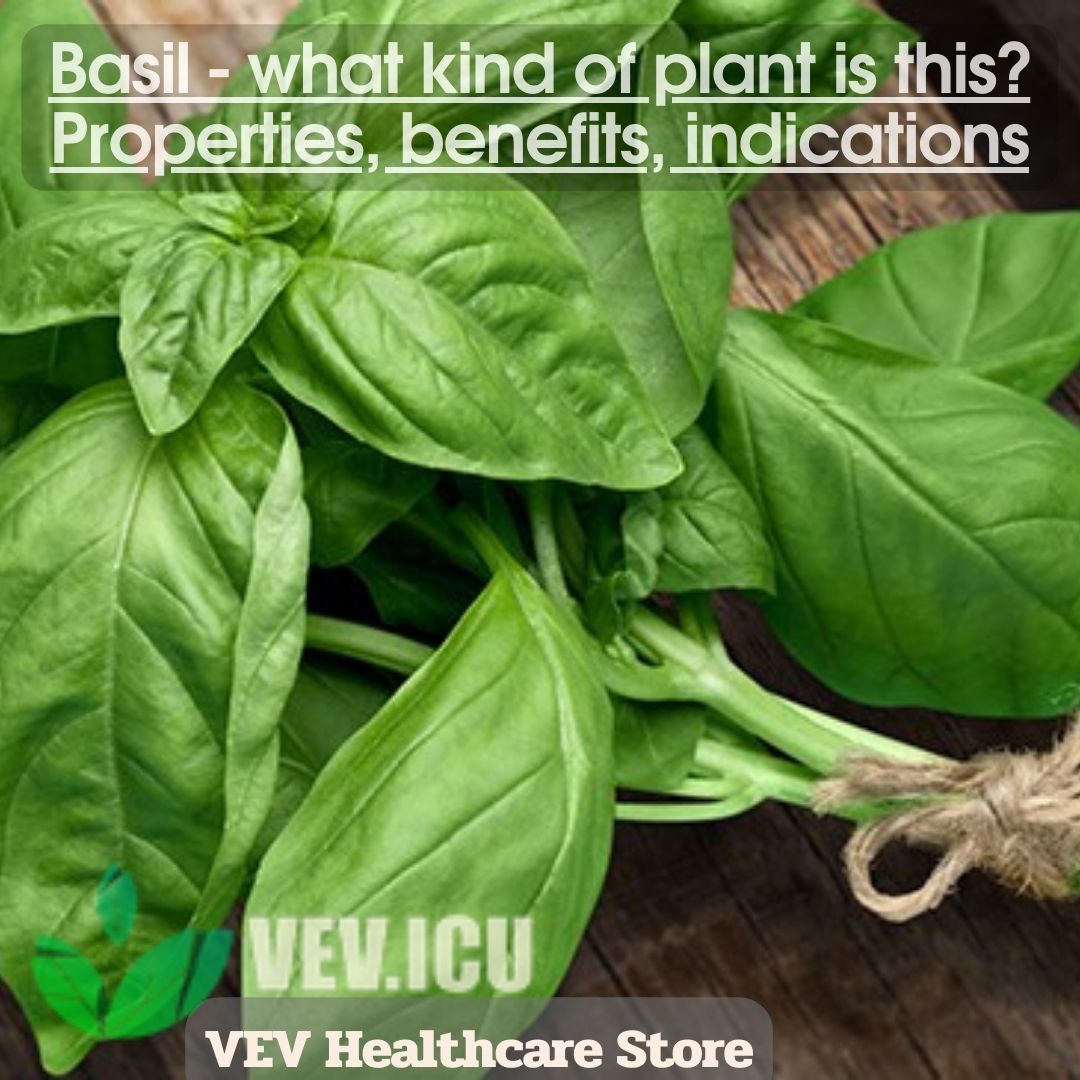
Basil (Ocimum basilicum) - what kind of plant is this? Properties,
benefits, indications
The introduction to the topic of Basil (Ocimum basilicum) is important as it sets the stage for the
discussion that will follow. Basil is a popular herb used in culinary practices across the globe, and its
properties and health benefits have been known for centuries. This essay will explore the various properties
and benefits of Basil, including its rich phytochemical composition, anti-inflammatory properties,
and antioxidant effects. Additionally, this essay aims to provide an overview of the traditional and modern
indications for Basil, such as its use as a digestive aid and its anti-cancer potential. Understanding Basil's
characteristics and use can provide a deeper appreciation for this versatile and beneficial plant.
A. Definition of Basil (Ocimum basilicum)
Basil (Ocimum basilicum) is an annual herbaceous plant that belongs to the Lamiaceae family. This plant
is native to India and Africa, but it is now widely cultivated around the world for its culinary, medicinal,
and ornamental uses. Basil has square stems, green leaves, and small white or pink flowers. There are more
than 60 different species of basil, which differ in their size, flavor, and aroma. The most common varieties
are sweet basil, Thai basil, lemon basil, and holy basil. Basil has been used for centuries in traditional
medicine to treat various ailments, such as cough, colds, fever, headaches, gastrointestinal problems, and
respiratory infections.
B. Importance of studying Basil (Ocimum basilicum)
Studying Basil (Ocimum basilicum) is important for various reasons. First, it is a significant part of
traditional medicine, and knowing about its properties and benefits can help develop new treatments for
diseases and ailments. Secondly, knowing about Basil's cultivation, propagation, and use in cuisine can
have economic implications for the food and beverage industry. Moreover, Basil's ecological role and
interaction with other species can help in environmental conservation and management. Furthermore,
basil serves as an essential herb for spiritual, cultural, and religious practices, making it a fascinating
topic for research in anthropology and history. Therefore, studying Basil is multi-disciplinary and can
broaden our knowledge in several areas.
Basil has also been found to have antimicrobial properties that can help in fighting off various bacterial and
fungal infections. It can also strengthen the immune system, thus promoting overall health and wellness.
Research has shown that basil contains antioxidants, which helps to prevent damage to cell membranes
and other structures in the body, consequently reducing the risk of chronic diseases. Additionally, basil is
a good source of vitamins and minerals such as Vitamin C, manganese, calcium, and iron. These nutrients
are essential for maintaining healthy bones, skin, and teeth, as well as for promoting cognitive function.
Overall, basil is a versatile herb with numerous health benefits, making it a valuable addition to any diet.
II. What kind of plant is Basil (Ocimum basilicum)?
Basil (Ocimum basilicum) is a plant species belonging to the mint family, Lamiaceae. The plant has an
erect growth pattern and reaches a height of 20 to 60 centimeters. The leaves of the plant are green,
slightly toothed, and fragrant due to the presence of essential oils. Basil is an annual herbaceous plant
that is native to tropical regions of central Africa and Southeast Asia. However, it is widely cultivated
across the world, with different varieties of basil grown in different parts of the world. The plant has been
used in traditional medicine for thousands of years due to its medicinal properties, and it is also used in
cooking as a seasoning for various dishes.
A. Overview of Basil (Ocimum basilicum)
In summary, Basil (Ocimum basilicum) is a fragrant herb widely used in traditional medicine and cooking.
It belongs to the Lamiaceae family, which is known for its aromatic properties and medicinal benefits.
Basil contains essential oils, such as eugenol, linalool, and geraniol, which have antimicrobial, antioxidant,
and anti-inflammatory properties. It is commonly used to treat digestive issues, respiratory problems,
and skin disorders. Additionally, Basil has been shown to possess potential anticancer properties and aid
in managing diabetes. With its versatile culinary applications and therapeutic benefits, Basil is a valuable
addition to any garden or kitchen.
B. Types of Basil (Ocimum basilicum)
Basil (Ocimum basilicum) is a very popular herb used for culinary and medicinal purposes. There are
different types of basil that have distinct characteristics, flavors, and uses. Sweet basil is the most common
and classic type characterized by a strong clove-like taste, used in various dishes, sauces, and pesto.
Genovese basil is a variety of sweet basil that is commonly used in Italian cuisine for its strong aroma
and flavor. Thai basil has a slightly sweet and licorice-like taste and is often used in Thai cuisine. Finally,
lemon basil is a type of basil with a light lemon fragrance that is commonly used in teas, desserts, and
cocktails.
C. Characteristics and physical appearances
Basil is an herbaceous annual that can grow from 30 to 130 cm high. It is an erect, branching, and densely
foliated plant that grows rapidly during its initial stage. The stems of basil are highly branched, green, and
covered with tiny hairs. The leaves are simple, opposite, and aromatic, ranging in color from dark green
to pale green, depending on the cultivar. The leaves are broad, ovate, or lanceolate, in shape, and have
a glossy surface. The flowers grow on terminal and axillary inflorescences, with white, pink, or purple
coloration. The fruits of basil consist of a schizocarp, which splits into four nutlets when matured.
In addition to its culinary and medicinal uses, Basil also has cultural significance around the world. In
Hinduism, Basil is considered a holy herb and is often planted near their temples. In Italy, Basil has been
considered a symbol of love and fertility since ancient times. According to folklore, if a man places a
sprig of Basil in a woman's hand, and she accepts it, they are bound to fall in love. Additionally, in the
Greek Orthodox Church, Basil is associated with the feast of the Holy Cross celebrated on September
14th. Overall, Basil is not only a versatile herb but also a plant with rich cultural history and significance.
III. Properties of Basil (Ocimum basilicum)
Finally, the essential oil of basil is known to possess several therapeutic properties such as antiviral,
antimicrobial, anti-inflammatory, and antioxidant activities. The oil is also effective against respiratory
infections and provides relief from cough and cold. Additionally, basil has significant analgesic properties,
and its oil can be used to alleviate pain. It is also known to prevent liver damage and enhance liver function
while also acting as a natural diuretic. Moreover, basil has shown anti-stress and anti-depressant activity,
making it an essential ingredient in natural remedies for anxiety and depression. It is clear that basil has
numerous beneficial properties that make it an essential herb for both culinary and therapeutic purposes.
A. Nutritional value of Basil (Ocimum basilicum)
Basil has many nutritional values, making it a useful addition to many diets. It is high in vitamin K,
which is essential for blood clotting and bone health. Additionally, basil contains significant levels of
other essential vitamins and minerals, such as vitamin A, vitamin C, calcium, and iron. Its leaves are also
rich in antioxidants, such as flavonoids, which can contribute to reduced inflammation and protect against
various diseases. Basil's nutritional properties also enable it to support digestion and boost the immune
system, making it a valuable herb to incorporate into a balanced diet.
B. Medicinal properties of Basil (Ocimum basilicum)
Basil is widely known for its medicinal properties and is considered to be an effective herbal remedy for
various ailments. The plant contains high levels of essential oils that possess antimicrobial, anti-inflammatory,
and antioxidant properties. These essential oils can help to alleviate digestive disorders, relieve
stress and anxiety, and reduce symptoms of respiratory system disorders. Basil is also used to lower
blood sugar levels and blood pressure, making it beneficial for those with diabetes and hypertension.
Furthermore, the plant's anti-inflammatory properties make it a useful natural remedy for skin disorders
such as acne, eczema, and psoriasis. Therefore, basil is a highly versatile and beneficial medicinal herb
that can be used to treat many health conditions.
1. Anti-inflammatory properties
Basil has been studied for its ability to reduce inflammation in the body. The active compounds in basil,
including eugenol and rosmarinic acid, have been shown to decrease levels of certain inflammatory
markers. Inflammation is involved in many chronic diseases, such as arthritis, cancer, and heart disease, so
reducing inflammation may have a protective effect against these conditions. Additionally, basil may have
a role in improving digestive health through its anti-inflammatory properties. More research is needed to
fully understand the potential benefits of basil in reducing inflammation and improving overall health.
2. Anti-bacterial and anti-viral activity
Basil has been shown to possess anti-bacterial and anti-viral properties, making it a promising natural
remedy against infectious diseases. Research has demonstrated that basil extract exhibits potent activity
against various strains of bacteria, such as the antibiotic-resistant Staphylococcus aureus and Escherichia
coli. Additionally, basil has shown promise as an anti-viral agent, with studies indicating its ability to
inhibit the replication of influenza A virus and herpes simplex virus. These properties are attributed to the
presence of various bioactive compounds such as eugenol, rosmarinic acid, and linalool. As such, basil
may potentially serve as a valuable adjunct therapy in the prevention and treatment of bacterial and viral
infections.
3. Antioxidant properties
Basil has been found to possess antioxidant properties due to its phytonutrient components. The major
antioxidants present in basil are flavonoids, such as orientin and vicenin, and phenolic acids, such as
rosmarinic acid. These antioxidants protect the body against oxidative stress, which is a process that
causes damage to cells, leading to various diseases. Several studies have shown that basil extract can
inhibit the oxidation of lipids and DNA, preventing the formation of free radicals. Additionally, basil has
been found to increase the activity of antioxidant enzymes, such as superoxide dismutase, which further
contributes to its antioxidant benefits. These findings suggest that basil is a potential natural source of
antioxidants that can be used in various disease prevention strategies.
4. Digestive properties
Basil is an excellent herb that has digestive properties, making it a popular ingredient in cooking and
traditional medicine. Scientists have shown that basil stimulates digestion and enhances the absorption of
nutrients in the digestive tract by promoting the secretion of digestive enzymes. Moreover, basil is rich in
fiber, which aids in digestion and regulates bowel movements. It also has anti-inflammatory properties that
can reduce inflammation in the gut and relieve conditions such as constipation, indigestion, and bloating.
Overall, the digestive properties of basil make it a valuable addition to any diet, and its consumption can
improve gastrointestinal health and overall well-being.
5. Properties that can support heart health
Studies have found that basil possesses properties that can support heart health. Basil leaves have
been found to contain compounds such as eugenol, which has been shown to have antioxidant and
anti-inflammatory effects. The plant also contains other nutrients such as magnesium, which is essential
for maintaining healthy heart function. In addition, basil has been shown to have a hypolipidemic effect,
meaning it may help to lower levels of cholesterol and triglycerides in the blood, which are important risk
factors for heart disease. Overall, incorporating basil into one's diet could be a simple and tasty way to
support heart health.
Basil, also known as Ocimum basilicum, belongs to the mint family and is native to India and other
tropical regions of Asia. The plant has been used for centuries in traditional medicine to treat a wide array
of health conditions, including respiratory issues, digestive problems, and skin disorders. Recent studies
have shown that basil contains high levels of antioxidants and anti-inflammatory compounds, making it an
effective natural remedy for reducing inflammation and fighting oxidative stress. Additionally, basil has
antibacterial properties and has been shown to have potential anti-cancer effects. Its leaves are commonly
used in cooking, particularly in Italian and Thai cuisine.
IV. Benefits of Basil (Ocimum basilicum)
Basil has a number of health benefits. The plant has analgesic, antibacterial, antifungal, and anti-inflammatory
properties. Basil is also known to be helpful in relieving digestive issues like bloating, flatulence,
and stomach cramps. Additionally, the plant has been known to have beneficial effects on respiratory
health, with the ability to clear congestion and improve breathing. Furthermore, basil may have positive
effects on mental health, as it has been shown to reduce anxiety and improve sleep quality. The plant's
antioxidant and anti-inflammatory properties are also believed to be helpful in preventing and managing
chronic diseases.
A. Medical benefits of Basil (Ocimum basilicum)
Basil (Ocimum basilicum) has a long history of use in traditional medicine due to its numerous health
benefits. Its antibacterial and antiviral properties make it effective in treating infections such as staphylococcus
and herpes viruses. It also has anti-inflammatory properties that make it useful in treating arthritis
and other inflammatory conditions. Basil's high antioxidant content is beneficial for preventing cellular
damage and reducing the risk of chronic diseases such as cancer and heart disease. Additionally, basil
has been shown to improve digestion, relieve stress and anxiety, and improve cognitive function. Overall,
incorporating basil into one's diet can provide a multitude of health benefits.
1. Management of type 2 diabetes
Management of type 2 diabetes requires a multimodal approach that includes lifestyle intervention,
pharmacological therapy, and regular monitoring of glycemic control. Although there is no cure for type
2 diabetes, up to 90% of cases are preventable or reversible through lifestyle changes such as weight loss,
increasing physical activity, and adopting a healthy diet. It is important for patients with type 2 diabetes to
work closely with their healthcare team to develop an individualized treatment plan that includes glycemic
targets, regular screenings for diabetes-related complications, medication adherence, and ongoing support
for self-management. By implementing a comprehensive approach to diabetes management, patients can
improve their quality of life and reduce their risk of long-term complications.
2. Anti-cancer properties
Basil has been found to possess anti-cancer properties, making it a promising plant in the fight against
cancer. Researchers have investigated the potential benefits of basil in treating various types of cancer,
including breast, colon, and prostate cancer. Several compounds found in basil, such as eugenol, rosmarinic
acid, and ursolic acid, have been identified as having anti-cancer properties. These compounds
are believed to work by inhibiting the growth of cancer cells and inducing apoptosis, or programmed cell
death. While further research is needed to fully understand the mechanism of action and potential benefits
of basil in cancer treatment, the preliminary results are encouraging.
3. Assistance for depression and anxiety
Furthermore, basil has been found to have mood-enhancing properties, making it an essential ally in
the battle against depression and anxiety. Currently, these mental health issues are on the rise, and
many people struggle to find effective treatments. Fortunately, numerous studies have demonstrated
that the essential oils found in basil can provide relief for symptoms related to depression and anxiety.
Additionally, the plant's leaves contain adaptogenic compounds that can help regulate the body's response
to stress. These findings suggest that including basil in one's diet or using its essential oil in aromatherapy
could be a helpful complementary treatment for individuals struggling with mental health issues.
4. Management of respiratory disorders
Management of respiratory disorders involves various approaches including lifestyle changes, medication,
and therapy. For individuals suffering from respiratory disorders such as asthma, chronic obstructive
pulmonary disease (COPD), or bronchitis, avoiding triggers such as tobacco smoke or air pollution is
crucial. Medications such as bronchodilators, corticosteroids, and leukotriene modifiers are commonly
used to manage respiratory disorders. In addition, therapy such as oxygen therapy and pulmonary
rehabilitation can also be effective in improving lung function and overall respiratory health. Treatment
plans should be individualized and regularly monitored to ensure optimal management of respiratory
disorders and prevention of exacerbations.
5. Supporting the immune system
Basil has been traditionally used for its immune-boosting abilities. Its essential oil contains compounds
such as eugenol, camphene, and cineole, which possess strong antimicrobial properties. These compounds
have been shown to be effective against a wide range of pathogens such as bacteria and fungi. By
promoting the immune system, basil can help the body fight off infections and reduce the duration of
illnesses. Additionally, it can stimulate the production of white blood cells, which play a crucial role in
protecting the body against disease. Therefore, including basil in one's diet can be an excellent way to
support the immune system and prevent infections.
B. Culinary benefits of Basil (Ocimum basilicum)
Basil has numerous culinary benefits that can enhance the flavor and nutritional value of a variety of
dishes. The herb's sweet and slightly peppery taste makes it a popular ingredient in Italian cuisine, where
it is often used in tomato-based sauces, salad dressings, and pastas. It is also a staple in Thai, Vietnamese,
and Indian dishes, where it is used to add a fresh, aromatic flavor to curries, stir-fries, and noodle dishes.
Additionally, basil is high in vitamins A, C, and K, making it a healthy and flavorful addition to soups,
stews, and roasted vegetables.
1. Improving food flavor and aroma
In order to improve food flavor and aroma, the use of basil in cooking has been widely explored. The herb
contains a complex mix of essential oils, including eugenol, linalool, and citronellol, which contribute to
its distinct scent and taste. Studies have also shown that basil extracts can help mask undesirable flavors
and odors in food products. Additionally, basil has been found to possess antioxidant and antimicrobial
properties, which make it a useful natural preservative in food systems. Therefore, the incorporation of
basil into recipes may not only enhance the sensory qualities of food, but also improve its shelf life and
safety.
2. Boosting the nutritional value of food
There are various methods through which we can increase the nutritional value of food. One of the ways
is by adding herbs and spices, like basil, to our meals. Basil is a rich source of antioxidants, vitamins,
and minerals that can boost the nutritional value of any dish. It can be used in various recipes, including
salads, soups, sandwiches, and pasta dishes, to add flavor and nutrition to our meals. Additionally, we
can also opt for foods that have undergone minimal processing and are rich in essential nutrients, such as
fruits, vegetables, and whole grains. By incorporating these strategies into our diet, we can enhance the
nutritional value of our food and promote a healthy lifestyle.
3. Traditional uses of Basil (Ocimum basilicum) in recipes
Basil (Ocimum basilicum) is an herb commonly used in recipes throughout various cultures. One
traditional use of basil is in Italian cuisine, where it is a key ingredient in pesto sauce, a mixture of
basil, pine nuts, garlic, Parmesan cheese, and olive oil. In Thai cuisine, basil is a common addition to
stir-fries and curries, providing a fresh and aromatic flavor. Similarly, basil is also used in Indian cuisine,
particularly in dishes such as chutneys and vegetable dishes. Its versatility and distinct flavor make it a
popular choice in a variety of recipes and cuisines.
In addition to its culinary use, basil has been used for medicinal and therapeutic purposes for centuries. Its
leaves contain volatile essential oils such as eugenol, cineole, and linalool, which possess anti-inflammatory,
antioxidant, and antimicrobial properties. It has also been shown to have anti-cancer, anti-diabetic,
and anti-ulcerogenic effects. Due to its antioxidant properties, basil may benefit heart health by protecting
against oxidative stress and reducing inflammation. It may also help improve digestion and reduce stress
and anxiety. Basil is a versatile herb that can be used in various forms, including fresh, dried, or as
a supplement. However, it may interact with certain medications, so it is important to consult with a
healthcare professional before use.
V. Indications for Basil (Ocimum basilicum)
Basil is widely used in traditional medicine for its potent antioxidant and anti-inflammatory properties.
Basil is also effective in treating digestive disorders such as flatulence, vomiting, and abdominal pain.
In addition, basil has been shown to stimulate the immune system, reduce anxiety and stress, and
improve cognitive function. Basil is also indicated for respiratory infections, sore throat, cough, and other
upper respiratory tract infections. Due to its antimicrobial properties, basil can also be used as a natural
preservative and antiseptic. Overall, basil is a versatile herb that has numerous health benefits and is used
in various natural remedies.
A. Overview of Basil (Ocimum basilicum) indications
Basil (Ocimum basilicum) is a commonly found herb in culinary practices that also offers numerous health
benefits. It has been used for centuries for its medicinal properties, such as treating colds, flu, fever, and
digestive ailments. It is also known to have anti-inflammatory, anti-bacterial, and anti-oxidant properties,
making it effective in managing chronic conditions like arthritis and type 2 diabetes. Additionally, studies
suggest that basil may have potential activity against cancer cells, and as an adaptogen, it may be beneficial
for improving stress response. In summary, basil has a long list of indications, and the herb's versatility
will encourage its continued use.
B. Commonly known indications of Basil (Ocimum basilicum)
Basil (Ocimum basilicum) is widely recognized for its culinary uses, but it also possesses a variety of
medicinal properties. One of its most well-known indications is its effectiveness as an anti-inflammatory
and pain reliever. It may also be used to aid in digestion, stimulate the appetite, and treat respiratory
issues such as asthma and bronchitis. Basil is also known for its antibacterial and antiviral properties,
which make it a useful addition to natural remedies for certain infections. Its ability to enhance mental
clarity and reduce stress has led to its use in aromatherapy and other relaxation techniques.
1. Type 2 diabetes
Type 2 diabetes is a chronic metabolic disorder that results from insulin resistance. This condition occurs
when the body cannot effectively use insulin, leading to high levels of glucose in the blood. Type 2
diabetes is often diagnosed in adults, but it is becoming increasingly common in younger individuals due
to rising obesity rates. This disease can lead to serious complications, including cardiovascular disease,
retinopathy, and nerve damage. Maintaining a healthy weight, exercising regularly, and eating a balanced
diet can help prevent and manage type 2 diabetes. Medications and insulin therapy may also be necessary
for effective diabetes management.
2. Respiratory disorders
Respiratory disorders are a common health concern and can range from mild to severe. Some of the
most common respiratory disorders include asthma, chronic obstructive pulmonary disease (COPD),
and pneumonia. These conditions can negatively impact an individual's daily life, making it difficult to
participate in activities or simply breathe comfortably. Treatment options for respiratory disorders vary
depending on the severity of the condition, but may include medication, oxygen therapy, and lifestyle
changes. It is important for individuals with respiratory disorders to work closely with their healthcare
provider to manage their symptoms and prevent complications.
3. Digestive issues
Furthermore, basil has been known to help ease digestive issues. The essential oils produced by the plant
can stimulate the digestive system, helping to alleviate stomach cramps and other digestive discomforts.
Basil can also help reduce bloating and flatulence, which can be especially helpful for individuals with
irritable bowel syndrome (IBS) or other chronic digestive conditions. Additionally, basil has antimicrobial
properties, which can help reduce the growth of harmful bacteria in the gut and prevent digestive
infections. Overall, incorporating basil into your diet can promote digestive health and may help alleviate
some common gastrointestinal issues.
4. Skin and hair problems
Skin and hair problems are among the many issues that basil can potentially alleviate. Basil leaves contain
numerous active compounds that exhibit antimicrobial, anti-inflammatory, and antioxidant properties,
making it a useful herb in combating various skin disorders like acne, rashes, and fungal infections. Basil
also aids in promoting hair growth by improving blood circulation to the scalp, preventing dryness, and
reducing dandruff. Additionally, its essential oil can be added to shampoos, conditioners, or used directly
on the scalp to enhance hair health. Although further research is needed to support these benefits, using
basil as a natural remedy for skin and hair troubles can be a potentially effective strategy.
Basil is a herb that belongs to the mint family and is cultivated for its fragrant leaves, which are often
used in cooking. It is native to tropical regions of central Africa and southeast Asia but now grows
worldwide. Basil has a distinct aroma and flavor, and it is an excellent source of vitamin C, vitamin K,
and magnesium. It also contains essential oils, antioxidants, and antimicrobial properties that can offer
numerous health benefits. Some of these benefits may include reducing inflammation, fighting bacterial
infections, promoting digestion, and improving cognitive function. In addition, basil is believed to have
anti-cancer properties, making it a potential natural remedy for preventing and treating certain types of
cancer.
VI. Conclusion
In conclusion, Basil is a popular herb used in cuisines and traditional medicine for its numerous properties,
benefits, and indications. It contains essential oils, vitamins and minerals, and antioxidants that offer
numerous health benefits such as improving digestion, reducing inflammation, preventing infections, and
managing stress. Basil also has anti-cancer effects and can increase insulin sensitivity, making it useful
in managing diabetes. However, more research is needed to validate its efficacy in treating certain health
conditions. Nevertheless, incorporating this flavorful herb in our diets and using it in various forms such
as oils, extracts, and teas can improve our overall health and wellbeing.
A. Main points of the essay
In summary, basil (Ocimum basilicum) is a fragrant and flavorful plant that has been used in culinary
and medicinal practices for thousands of years. Its essential oils and other chemical compounds have
been found to possess a range of potential health benefits, including anti-inflammatory, antioxidant, and
antimicrobial properties. Basil has also been shown to have a positive impact on digestive health, blood
sugar levels, and mood. However, more scientific research is needed in order to fully understand the
potential benefits of basil and its various forms of consumption. Overall, basil is a versatile and nutritious
addition to any diet.
B. Future implications and directions for Basil (Ocimum basilicum) research
In terms of future implications and directions for Basil (Ocimum basilicum) research, there is still
much to be explored. One potential area of focus could be the biological mechanisms underlying its
anti-inflammatory properties, which have been heavily documented. Additionally, further investigation
is needed to fully understand the plant's potential in treating various disorders, such as anxiety and
depression. The effects of different growing conditions and processing methods on the plant's active
constituents could also be explored to optimize its medicinal potential. Lastly, as demand for natural
remedies continues to rise, research on the cultivation and sustainable production of Basil could prove
invaluable to both the industry and the environment.
C. Final thoughts on the importance of Basil (Ocimum basilicum)
In conclusion, it is clear that Basil (Ocimum basilicum) is a powerful herb with numerous medicinal
properties. Its wide range of uses in traditional medicine and culinary practices has made it a highly
sought-after plant across the world. The plant's ability to alleviate digestive disorders, reduce inflammation,
and regulate blood sugar levels makes it a useful addition to any diet plan. Additionally, Basil's
antioxidant and anti-inflammatory properties can prevent the development of chronic diseases. Thus,
further research into the herb's potential benefits could lead to the discovery of new treatments for various
ailments. Overall, Basil deserves recognition as a vital herb that offers numerous health benefits.
Bibliography
- Hamlyn. '100 Health-Boosting Foods.' Facts and recipes for super health, Octopus, 4/6/2015
- Patrick Etiévant. 'Flavour in Food.' Andree Voilley, Taylor & Francis US, 3/8/2006
- Charis M. Galanakis. 'Aromatic Herbs in Food.' Bioactive Compounds, Processing, and Applications,
Academic Press, 1/19/2021
- Tonya Fines. '5 Ways to Boost Your Immune System.' Critical Bench, 11/13/2021
- A. McLuckie. 'Respiratory Disease and its Management.' Springer London, 8/19/2009
- Lynn Clark. 'SOS Help for Emotions.' Managing Anxiety, Anger, and Depression, SOS Programs &
Parents Pres, 1/1/2001
- Sissi Wachtel-Galor. 'Herbal Medicine.' Biomolecular and Clinical Aspects, Second Edition, Iris F. F.
Benzie, CRC Press, 3/28/2011
- Charles F. Burant. 'Medical Management of Type 2 Diabetes.' American Diabetes Association,
6/5/2012
- Rajeev Sharma. 'Improve Your Health With Basil and Margosa.' The Book Factory, 1/1/2021
- Elizabeth Ashley. 'Sweet Basil - Ocimum Basilicum- The Essential Oil of Empowerment.' How
To Heal The Mind Body Spirit With Medicinal Plants And Aromatherapy, CreateSpace Independent
Publishing Platform, 7/24/2015
- Malinee Thambyayah. 'Integrative Healthcare Remedies for Everyday Life.' Elsevier Health Sciences,
12/6/2022
- Sunny Ohia. 'Nutrition and Functional Foods in Boosting Digestion, Metabolism and Immune Health.'
Debasis Bagchi, Academic Press, 12/1/2021
- Amit K. Jaiswal. 'Nutritional Composition and Antioxidant Properties of Fruits and Vegetables.'
Elsevier, 8/17/2020
- Mei Xin Chen. 'Formulation of Topical Products with Antiviral and Antibacterial Activity.' University
of Toledo, 1/1/2014
- Olga Gorelenkova Miller. 'Glutaredoxin-1 As A Therapeutic Target In Neurodegenerative Inflammation.'
Case Western Reserve University, 1/1/2017
- Andres A. Walton. 'Ocimum Basilicum.' Taxonomy, Cultivation and Uses, Nova Science Publishers,
1/1/2021
- Mark P. Zanna. 'Physical Appearance, Stigma, and Social Behavior.' The Ontario Symposium, Volume
3, C. Peter Herman, L. Erlbaum Associates, 1/1/1986
- Yvonne Holm. 'Basil.' The Genus Ocimum, Raimo Hiltunen, CRC Press, 6/23/1999
- Chittaranjan Kole. 'The Ocimum Genome.' Ajit Kumar Shasany, Springer, 10/4/2018
- Erich Schmidt. 'Essential Oils.' Contact Allergy and Chemical Composition, AntonC. deGroot,
Routledge, 4/11/2021
People also ask
What are the properties of basil leaves benefits?
What are the physical properties of basil?
What is the function of Ocimum basilicum?
What is the medicinal use of basil plant?
What are the medicinal properties of basil oil?
What are the medicinal properties of basil tea?
What are 5 of the physical properties?
What are the special features of basil plant?
Which are physical properties?
Why is basil important?
What is the benefit of Ocimum?
What are the characteristics of Ocimum basilicum?
Where is basil commonly used?
What are 10 medicinal uses of holy basil?
How is basil most commonly used?
Is basil a natural antibiotic?
What are the benefits of basil essential oil for face?
Is basil good for your face?
What is the best time to drink basil tea?
What are the benefits of basil tea for weight loss?
Buyers Online
- Customer from Brooklyn updated their account details
- Customer from Brooklyn logged in
- Customer from Strongsville logged in
- Customer from Brooklyn updated their account details
- Customer from Brooklyn placed a new order for VOLTAREN MAX GEL 180G - MADE IN SWITZERLAND - FREE SHIPPING
- Customer from Brooklyn logged in
- Customer placed a new order for DEBUTIR FORTE 60 СAPS — MADE IN POLAND- FREE SHIPPING
- Customer from Ottawa updated their account details
- Customer from Ottawa registered for an account
- Customer placed a new order for STRESAM 50MG 60 PILLS - MADE IN FRANCE - FREE SHIPPING
- Customer placed a new order for ACNE-DERM Cream 2p x 20Gr — Made in Poland by Uniapharm — Free Delivery
- Customer placed a new order for Ascorbic acid 0,05g 2p x 160 tablets — Made in Ukraine — Free Delivery
- Customer placed a new order for Fanigan 100 tablets — Made in India — Free Delivery
- Customer from Raleigh placed a new order for Essentiale Forte 300 mg, 2p x 50 capsules — Made in Poland — Free Delivery
- Customer from Raleigh logged in
- Customer placed a new order for TENOTEN FOR CHILDREN 40 PILLS — MADE IN LITHUANIA — FREE SHIPPING
- Customer from Raleigh logged in
- Customer placed a new order for Aqua Maris for Children from Birth nasal drops 10 ml — Made in Croatia — Free Deliver
- Customer from Raleigh logged in
- Customer from Raleigh placed a new order for Essentiale Forte 300 mg, 2p x 50 capsules — Made in Poland — Free Delivery
Latest










Bestsellers