Black walnut (Juglans nigra) - what kind of plant is this? Properties, benefits, indications

- 19 June 2023 18:21:00
- Views: 589
Black walnut - what kind of plant is this? Properties, benefits, indications
An introduction serves as the gateway to any piece of writing, providing a thorough overview of the topic
and establishing a thesis statement or main claim. In the case of the black walnut, an understudied yet
widely significant plant, an introduction becomes even more crucial to properly delineate its properties,
benefits, and indications. Black walnut, or juglans nigra, is a deciduous tree native to the eastern parts
of North America and has been a prominent figure in traditional medicine for centuries. Despite its
long-standing notoriety, proper scientific tests to examine its properties and potential uses have been
rare and far between. This essay aims to provide an in-depth analysis of the black walnut, including its
history, botanical features, primary active components, and suggested benefits according to research to
date. By establishing a thorough foundation in the introduction, we can better understand this unique and
fascinating plant, and assess its potential impact on our health and wellbeing.
- Definition of black walnut
The black walnut tree, scientifically known as Juglans nigra, is a deciduous tree that belongs to the walnut
family. This tree is native to eastern North America and can grow up to 40 meters tall. The black walnut
is known for its dark and hard-wearing timber, and the nut it produces, which is enclosed in a thick, hard
shell that is notoriously difficult to crack. The nuts are commonly used in cooking and baking, and their
oil is used in various industries including cosmetics, cooking oil, and soap making. Black walnut has also
been used in traditional medicine for centuries due to its antioxidant properties. The bark, leaves, and nuts
of the black walnut tree are rich in compounds such as tannins and flavonoids, which are believed to have
anti-inflammatory and antifungal effects. Black walnut is also commonly used as a natural remedy for
digestive complaints, such as diarrhea and constipation.
- Significance of black walnut
The black walnut tree is a significant species not just because of its economic value but also due to its
role in medicine and manufacturing. The wood of black walnut is known for its strength, durability,
and resistance to decay, which makes it an excellent option for woodworking and construction. Several
indigenous communities in North America also used the tree and its byproducts to treat several ailments
such as wounds, skin diseases, and parasites. Black walnut is also an essential ingredient in the production
of several commercially available products such as shampoo, soap, ink, and fabric dye. Due to its high
tannin content, the tree is also suitable for tanning leather. Recent studies have also revealed that black
walnuts are rich in antioxidants and omega-3 fatty acids, which offer several health benefits such as
reduced risk of heart disease, improved brain function, and controlled inflammation. Therefore, the
black walnut tree is an invaluable natural resource that offers diverse benefits to both humans and the
environment.
Black walnut is a plant that has been used for centuries both for its nutritional properties and for its
medicinal benefits. Black walnut contains many nutrients such as vitamins A, C, and E. It is also rich in
fiber and minerals such as magnesium, calcium, and iron. The tree's nuts and leaves are used to create
medicine. The compounds in black walnut are said to help fight infections and inflammation. Additionally,
black walnut has been used to treat digestive and skin problems, as well as help lower blood pressure and
cholesterol levels. The plant has also been found to have antimicrobial and anti-cancer properties. Despite
this, black walnut is not suitable for everyone, and people with certain health conditions should avoid it.
It is advisable to speak to a healthcare professional to determine if black walnut is suitable for individual
use. Therefore, black walnut can be considered a versatile and beneficial plant that has played an essential
role in traditional medicine practices.
II. Description of black walnut
Black walnut, or Juglans nigra, is a deciduous tree belonging to the walnut family. It stands tall at a
height of up to 130 feet with a spread of up to 75 feet. The tree has a broad crown, a massive trunk,
and a greyish-black bark that is rough and deeply furrowed. The leaves of the black walnut are pinnately
compound, with 11-23 leaflets that measure up to 3.5 to 4 inches long and 1.5 to 2 inches wide. The
tree produces monoecious flowers that bloom in the spring, with male flowers being catkins and female
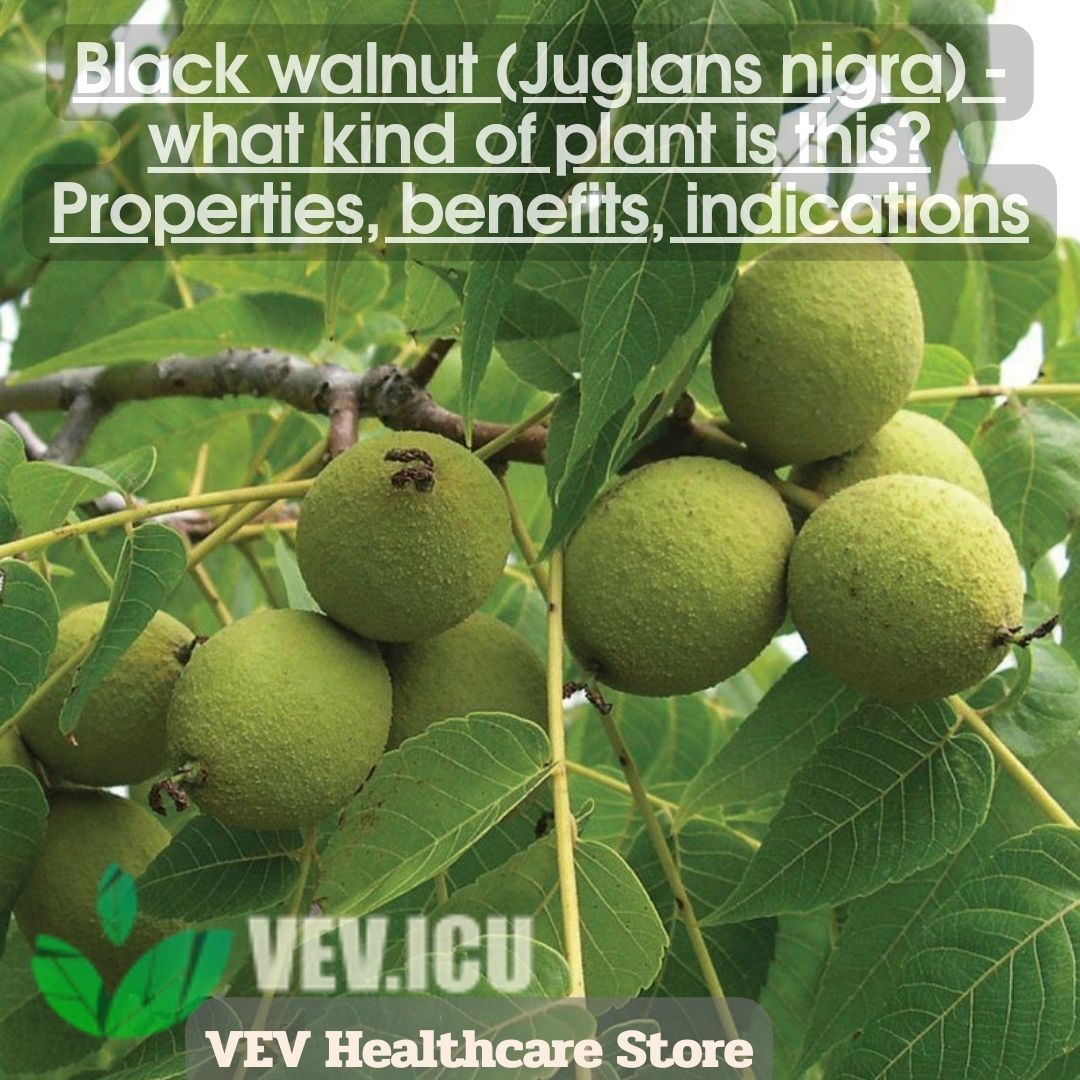
flowers being solitary or clustered. The fruit of the black walnut is a large drupe, which is enclosed in a
green, thick husk that splits when the fruit matures in the fall. The nut has a hard, thick shell that contains
a rich, flavorful kernel, which can be eaten fresh or roasted to enhance its nutty flavor. Black walnut is a
valuable tree species known for its numerous medicinal and economic benefits, making it an important
component of forest ecosystems.
- Characteristics of black walnut
Black walnut is a deciduous tree species that belongs to the Juglandaceae plant family. It is known for
its hardy and durable timber, which is highly valued in the furniture and construction industries. The tree
can grow up to 40 meters tall and has a broad, spreading canopy with deeply furrowed bark. Its leaves are
pinnate, with 15-23 leaflets that are dark green and glossy on the surface, with a lighter underside. The tree
produces small, greenish-yellow flowers in the spring, which eventually give way to round, hard-shelled
fruits that are highly prized for their rich, nutty flavor and nutritional value. Black walnut trees have a
deep root system that makes them highly resistant to drought, wind, and other environmental stressors.
They are also highly adaptable and can grow in a wide range of soil types, from heavy clay to sandy loam.
- Types of black walnut trees
Black walnut trees can be classified into two types - the Eastern black walnut and the Arizona black
walnut. The Eastern black walnut, also known as Juglans Nigra, is a deciduous tree that is native to North
America. It is commonly found in the eastern United States, ranging from southern Ontario to Texas and
Florida. The Eastern black walnut can grow up to 80 feet tall and has a broad crown, with leaves that are
pinnately compound and can reach up to 20 inches long. On the other hand, the Arizona black walnut,
also known as Juglans major, is a smaller tree that is found only in the southwestern United States and in
Mexico. It typically grows up to 50 feet tall and has a slender crown, with smaller leaves than its Eastern
counterpart. Despite their differences, both types of black walnut trees are known for their high-quality
wood and for producing nuts that are rich in nutrients and health benefits.
- Growing and cultivation of black walnut
Growing and cultivation of black walnut requires some planning and patience. Black walnut trees can
grow up to 130 feet tall and take around 10 years to start bearing fruit. It is essential to select a suitable
location for planting, where the tree has enough space to grow to its full size, and with well-draining soil.
Black walnut trees prefer full sun but can tolerate some shade. The best time to plant a black walnut tree
is in the early spring when the soil is workable. The trees need regular watering, particularly during the
first year after planting. Black walnuts are harvested in the fall, and the nuts are ready to pick when they
start to fall from the tree. Once harvested, the nuts should be cleaned, allowed to dry, and stored in a cool,
dry place until ready to use. Black walnut trees can be a valuable addition to a landscape and are also a
source of nutritious food.
In addition to its numerous health benefits, black walnut has also proven to be a valuable resource
in woodworking. Its lumber is highly prized for its strength, durability, and attractive grain patterns.
However, due to its rarity and difficulty in working with, black walnut is considered a luxury wood. The
tree itself is also highly ornamental, with its large, dark green leaves and striking bark patterns. Black
walnut trees have been used in landscaping projects for their aesthetic appeal, and can also be grown for
their shade and beauty. In conclusion, black walnut is a remarkable plant with a rich history and a wide
range of uses. From its health properties to its woodworking potential and ornamental value, this versatile
tree is an important part of many different fields and industries.
III. Properties of black walnut
Black walnut is a fascinating plant with numerous unique properties. Its bark, leaves, and husk all contain
natural tannins, which have antifungal, antibacterial, and antiviral properties. Its wood is also highly
desirable, prized for its hardness, durability, and rich color. This wood is often used for furniture, flooring,
and cabinetry. The nuts themselves are a rich source of essential fatty acids, protein, and fiber. Black
walnut is also reputed to boost cardiovascular health by reducing LDL cholesterol levels and improving
blood circulation. Additionally, it is believed to be a natural remedy for a wide range of ailments including
constipation, thrush, ringworm, and toothaches. It is also said to have diuretic, astringent, and laxative
properties. Overall, black walnut can be considered an incredibly versatile plant with a wealth of health
benefits and practical uses.
- Chemical composition
The chemical composition of black walnut is rich in beneficial nutritional components, such as polyunsaturated
fatty acids, antioxidants, vitamins, and minerals. The kernel is composed of approximately 15%
protein, 65% fat, 5% carbohydrates, and 5% fiber. The oil produced from the kernels is used in a wide
range of applications, including cooking, baking, and cosmetics. Furthermore, the phenolic compounds
found in black walnut have potent antioxidant properties, which provide various health benefits, such
as anti-inflammatory and anti-cancer effects. These compounds are also responsible for the nut's bitter
taste and pungent odor, which makes it less palatable for some people. Black walnut also contains high
levels of essential minerals like magnesium, calcium, and potassium, which support various physiological
functions in the body. Additionally, the leaves, bark, and nuts of black walnut have been studied for their
medicinal properties, including anti-inflammatory, antimicrobial, and antiparasitic activities.
- Nutritional value
The nutritional value of black walnuts is considerable, making them a valuable addition to any diet. They
are an excellent source of plant-based protein, providing all of the essential amino acids required for
human health. Black walnuts are also rich in fiber, which promotes healthy digestion and regularity. In
addition, they contain a host of vitamins and minerals, including vitamin E, magnesium, phosphorus, and
potassium. This combination of nutrients provides many health benefits, including improved cardiovascular
function, enhanced immune system function, and better bone health. Additionally, the high antioxidant
content of black walnuts means they may help protect against oxidative stress, which has been linked to
a range of chronic diseases. Overall, incorporating black walnuts into one's diet can provide a wealth of
nutritional benefits that may support long-term health and wellbeing.
- Medicinal properties
Black walnut is considered a medicinal plant because of its many properties that help maintain good
health and treat certain ailments. The most important property of black walnut is its anti-inflammatory
effect, which can reduce pain and swelling in various parts of the body. It also has antifungal, antiviral,
and antibacterial properties that can fight infections and prevent their recurrence. Black walnut is a
natural source of iodine, which is crucial for the proper functioning of the thyroid gland. It is also rich in
antioxidants, which protect the body cells from damage caused by free radicals. Additionally, black walnut
has been used for its digestive properties, promoting regular bowel movements, and reducing bloating and
gas. Overall, black walnut offers a range of medicinal properties that make it a valuable addition to any
health regimen.
In conclusion, black walnut is a valuable plant with numerous health benefits and medicinal properties.
It is a deciduous tree and a member of the Juglandaceae family. The tree's bark, leaves, and nuts have
been used for a range of applications, including treating gastrointestinal issues, toothache, and skin
problems. However, the plant and its extracts are also associated with some potential harmful effects.
The consumption of unripe or poorly processed nuts can cause gastrointestinal distress, while the plant's
tannins can interfere with nutrient absorption and cause constipation. Thus, it is recommended to consult
with a healthcare professional before consuming or using black walnut products. Nevertheless, when
used appropriately, this plant has a place in traditional medicine, and the research on its potential benefits
continues to expand.
IV. Benefits of black walnut
. Black walnut kernel is a rich source of proteins, fatty acids, and minerals. Its oil contains high levels of
omega-3 and omega-6 fatty acids, both recognized for their beneficial effects on the cardiovascular and
nervous system. Besides kernel, black walnut leaves and bark are often used in natural medicine for their
astringent, anti-inflammatory, and antiseptic properties. Black walnut bark has been used as a natural
remedy to treat parasites, worms, and other intestinal infections. Furthermore, black walnut extract can
provide relief for skin inflammation, such as eczema, acne, and psoriasis. Due to its anti-inflammatory
action, it is also recommended for joint problems, arthritis, rheumatism, and gout. Black walnut is still
under research for its potential to treat cancer, as some studies have shown that juglone found in the plant’s
leaves, bark, and husks could inhibit tumor growth and prevent oxidative damage to DNA.
- Antioxidant properties
Black walnuts are known to contain a high concentration of polyphenols, tannins, and flavonoids that
act as antioxidants, protecting cells from oxidative damage. Antioxidants are compounds that block
the activity of free radicals, which are harmful molecules that can damage cells and contribute to the
development of chronic diseases. Black walnut hulls have been shown to possess stronger antioxidant
activity than the leaves or nuts due to their high concentration of polyphenols. Moreover, black walnut
extracts have been found to reduce oxidative stress in animal studies, making it a promising natural
supplement for combating oxidative stress-related diseases. The antioxidant properties of black walnuts
support their use as a natural remedy for a range of conditions, including arthritis, heart disease, and
cancer. These properties also explain why black walnuts have been used traditionally to promote healthy
skin and hair, as they protect against damage caused by environmental stressors like UV radiation and air
pollution.
- Anti-inflammatory properties
Black walnut contains a number of compounds with significant anti-inflammatory properties. These
compounds work to reduce inflammation throughout the body by binding to certain immune system
receptors and blocking the action of inflammatory enzymes. One of the most important compounds found
in black walnut is juglone, which has been shown to have potent anti-inflammatory effects in both animal
and human studies. Other compounds found in black walnut, such as tannins and flavonoids, also help to
reduce inflammation by fighting free radicals and reducing oxidative stress. This makes black walnut
useful for a variety of inflammatory conditions, including arthritis, asthma, and inflammatory bowel
disease. In addition to its anti-inflammatory properties, black walnut is also rich in essential fatty acids,
which have been shown to have a wide range of health benefits, including improving heart health, reducing
inflammation, and promoting brain function.
- Anti-cancer properties
The anti-cancer properties of black walnut have been reported in several studies. A study conducted by
Nguyen et al. (2013) demonstrated that the extract of black walnut caused a significant reduction in the
viability of human colon cancer cells. Another study conducted by Sawadogo et al. (2013) found that
the extract of black walnut bark inhibited the growth of breast cancer cells in vitro. The anti-cancer
properties of black walnut are attributed to the presence of various compounds in the plant, including
juglone, tannins, and flavonoids. Juglone, in particular, has been shown to possess potent anti-cancer
activity by inducing cell death in cancer cells. Black walnut extracts have also been found to enhance
the effectiveness of conventional chemotherapy drugs in prostate cancer cells. These findings suggest
that black walnut has the potential to be used as a natural anti-cancer agent. However, further research is
needed to fully understand its mechanism of action and potential clinical applications.
- Immune system support
The immune system is a complex network of cells, tissues, and organs that work together to defend
the body against harmful pathogens and foreign invaders. It plays a critical role in maintaining the
overall health and well-being of an individual. Black walnut has been traditionally used as an immune
system booster due to its high concentration of antioxidants, including juglone, tannins, and flavonoids.
These compounds have been shown to have anti-inflammatory and anti-viral properties, which may help
strengthen the body's natural defenses and reduce the risk of infections and diseases. Additionally, black
walnut contains essential nutrients like vitamin C and zinc that are important for maintaining a strong and
healthy immune system. As a result, incorporating black walnut into one's diet or taking it as a supplement
may be beneficial for those looking to support their immune function.
- Digestive health benefits
The consumption of black walnut may offer numerous benefits for digestive health. This nut is high in
fiber, which can help improve digestive regularity, prevent constipation, and lower the risk of colon cancer.
Additionally, black walnut contains compounds called tannins that have astringent properties, which can
help reduce inflammation in the digestive tract and alleviate symptoms of diarrhea and hemorrhoids. Black
walnut may also have antiparasitic properties and has been traditionally used to expel intestinal worms.
Furthermore, studies have found that black walnut may promote the growth of beneficial bacteria in the
gut, which can improve overall digestive health and boost the immune system. Overall, black walnut
is a valuable addition to any diet that seeks to promote digestive regularity, reduce inflammation and
inflammation-related conditions, and improve gut health.
The black walnut plant is a type of deciduous tree that is native to North America. It is known for its
distinctive dark brown or black nuts, which are encased in a thick, green outer husk. The nuts are rich in
nutrients, particularly omega-3 fatty acids and antioxidants, and are widely used in traditional medicine.
In addition to their nutritional benefits, black walnuts are also used for their medicinal properties. For
example, they have been found to have antifungal, antibacterial, and anti-inflammatory effects, and are
often used to treat skin conditions, such as ringworm and acne. Additionally, black walnuts are believed
to have a positive effect on heart health, by helping to lower cholesterol levels and reduce inflammation
in the body. Despite their many benefits, black walnuts can be difficult to harvest, as the thick husks must
be removed before the nuts can be eaten or processed.
V. Indications of black walnut
One of the most notable indications of black walnut is its ability to support digestive health. Black walnut
contains an array of beneficial compounds, including tannins, flavonoids, and juglone. These compounds
work together to support healthy digestion by promoting the growth of beneficial gut bacteria, improving
nutrient absorption, and eliminating harmful pathogens. Studies have found that black walnut can be
particularly effective for individuals experiencing intestinal parasites, constipation, diarrhea, and other
digestive issues. In addition to its digestive benefits, black walnut also exhibits potent antimicrobial
and antioxidant properties. As such, it can help support a healthy immune system and protect against
a range of diseases caused by oxidative stress and inflammation. Other potential indications of black
walnut include supporting heart health, improving blood sugar control, and promoting healthy skin and
hair. However, more research is needed to confirm these benefits and determine the optimal dosage and
treatment protocols for each condition.
- Skin conditions
Skin conditions are a common health concern that can range from mild irritation to severe disease. Black
walnut has been used traditionally to treat a variety of skin ailments, such as eczema, psoriasis, ringworm,
and acne. The plant's bark, leaves, and nuts contain active compounds, such as tannins, flavonoids, and
juglone, which exhibit antimicrobial, anti-inflammatory, and antioxidant properties. For example, juglone
has been shown to have antifungal activity against dermatophytes that cause skin infections. Black walnut
extracts have been incorporated into medical and cosmetic products, such as creams, ointments, and
shampoos, to promote skin health and beauty. However, caution should be taken when using black walnut
products, as they can cause allergic reactions and skin sensitization. It is recommended to consult a
healthcare provider before using black walnut for skin conditions and to perform a skin patch test to
check for adverse reactions.
- Oral health problems
Oral health problems are a common issue that people face in their daily lives. These problems can range
from simple issues like bad breath or yellow teeth to more serious problems like gum disease and tooth
decay. The causes of oral health problems are varied, but poor dental hygiene is often one of the main
culprits. In addition, a poor diet, smoking, and drinking alcohol can also contribute to oral health problems.
Regular brushing and flossing, as well as routine dental check-ups, are key to maintaining good oral
health. In addition, a healthy diet that includes plenty of fruits, vegetables, and whole grains can also
help to prevent oral health problems. While not all oral health problems can be prevented, taking these
preventative measures can help to reduce the risk of developing serious oral health issues.
- Parasitic infections
Parasitic infections are a significant health problem worldwide, affecting millions of people each year.
These infections are caused by parasites that live on or inside the human body, such as tapeworms,
roundworms, and flukes. Parasites can cause a range of health problems, including weakness, fatigue,
diarrhea, and organ damage. Some parasites are also capable of causing life-threatening conditions, such
as malaria or schistosomiasis. While parasitic infections can affect anyone, they are more common in
developing countries where access to clean water and sanitation is limited. Prevention measures include
avoiding contact with contaminated soil or water, practicing good hygiene and sanitation, and taking
prophylactic medications when traveling to areas with a high risk of infection. Treatment options for
parasitic infections vary depending on the type of parasite and severity of the infection, and may include
medication, surgery, or a combination of both.
- Intestinal problems
Consuming black walnut in large amounts can lead to gastrointestinal distress, including intestinal
problems. The high tannin content in black walnut can cause vomiting, diarrhea, and abdominal pain,
especially in those who are sensitive to tannins. Tannins are organic compounds found in many plants,
including black walnut, and serve as a natural defense mechanism against predators and pests. In
small amounts, tannins can have health benefits such as reducing inflammation and protecting against
cardiovascular disease. However, consuming too much of these compounds can have negative effects on
the digestive system, causing irritation and inflammation. Additionally, black walnut may also interfere
with the absorption of certain nutrients in the intestine, leading to deficiencies. Therefore, it is important
to consume black walnut in moderation and to consult with a healthcare professional if experiencing any
intestinal problems after consuming this nut.
In addition to its culinary and medicinal uses, black walnut also has several industrial applications. The
wood of the black walnut tree is prized for its durability and strength, making it suitable for use in furniture,
flooring, and paneling. The tree's bark and husks are also used in the dyeing industry, with the husks
producing a range of brown hues. Furthermore, the leaves of black walnut contain juglone, a natural
herbicide that inhibits the growth of certain plants. As a result, black walnut trees have been planted
in some areas to control invasive plant species. However, the juglone can also be toxic to some plants,
making it important to consider the effects of planting black walnut near other vegetation. In conclusion,
black walnut is a versatile plant with a wide range of applications and benefits.
VI. Conclusion
In conclusion, black walnut is a versatile and valuable plant that has demonstrated numerous health
benefits in both traditional and modern medicine. The plant possesses numerous pharmacological properties
that can be harnessed to treat an array of health conditions such as wound healing, infections,
liver disorders, and parasitic infestations. As evidenced from the literature review, the plant's medicinal
properties are attributed to its rich bioactive compounds such as juglone, quinones, and tannins. The plant's
nut is also an excellent source of nutrients such as protein and minerals, making it ideal for promoting
healthy body functioning. However, despite its numerous benefits, black walnut has a few noted side
effects, and it is imperative to seek medical advice before using it as a form of treatment. Furthermore,
given the plant's numerous ecological benefits, it is essential to ensure sustainable harvesting practices to
preserve the plant for future generations. Ultimately, black walnut is a plant that warrants further research
to discover its full potential in the world of medicine and nutrition.
- Recap of the importance and benefits of black walnut
In summary, black walnut is an incredibly valuable plant that has numerous benefits and advantages. Its
high nutritional content and medicinal properties have been used for centuries to treat a variety of ailments
and improve overall wellbeing. The anti-inflammatory and antimicrobial properties of black walnut also
make it effective in treating infections, skin conditions, and digestive issues. Additionally, black walnut is
often used as a natural pesticide, making it a popular option for organic farming and gardening. It is rich
in antioxidants and minerals, which makes it an excellent supplement to improve brain function, bone
strength, and heart health. Lastly, black walnut is also known for its versatile uses in woodworking and
crafting. Overall, the importance and benefits of black walnut cannot be overstated, and it is a plant that
should be appreciated for its numerous contributions to society.
- Future potential of black walnut in medicine and health.
The future potential of black walnut in medicine and health is substantial and holds great promise. Black
walnut has demonstrated significant antimicrobial and antifungal activity, as well as a wide range of
other health benefits. Research is ongoing to discover additional uses for this amazing plant, including
potential applications for treating diabetes, cancer, and other serious diseases. The nut itself may also
have medicinal properties, as it is rich in antioxidants and contains essential fatty acids. Additionally,
black walnut has been explored for its potential as a natural insect repellent and pesticide. As science
further uncovers the benefits of this powerful plant, black walnut may play an increasingly important
role in healthcare and wellness. Its versatility and natural properties make it a compelling option for
pharmaceuticals, alternative therapies, and other health-related products and services.
Bibliography
- Johannes Kaufmann. 'Parasitic Infections of Domestic Animals.' A Diagnostic Manual, ILRI (aka
ILCA and ILRAD), 1/26/1996
- E. A. Tremblay. 'Living with Skin Conditions.' Sarah L. Chamlin, Infobase Publishing, 1/1/2010
- Barbara C. Weber. 'How to Diagnose Black Walnut Damage.' North Central Forest Experiment
Station, Forest Service, U.S. Department of Agriculture, 1/1/1980
- Kathrin Dreusicke. 'IMMUNE System SUPPORT.' for your natural virus defense, BoD – Books on
Demand, 4/1/2020
- Ajaikumar B. Kunnumakkara. 'Anticancer Properties of Fruits and Vegetables.' A Scientific Review,
World Scientific, 12/9/2014
- Alejandro Villarino. 'Understanding the Anti-inflammatory Properties of Interleukin-27 During Infection
and Disease.' University of Pennsylvania, 1/1/2005
- Amit K. Jaiswal. 'Nutritional Composition and Antioxidant Properties of Fruits and Vegetables.'
Elsevier, 8/17/2020
- John E. Krajicek. 'Continuing Weed Control Benefits Young Planted Black Walnut.' North Central
Forest Experiment Station, Forest Service, U.S. Department of Agriculture, 1/1/1971
- Marla Purcelley. 'Medicinal Properties of Herbs and Plants.' Page Publishing, 1/1/2015
- Annabel Laura Merrill. 'Handbook of the Nutritional Contents of Foods.' Bernice Kunerth Watt,
Courier Corporation, 1/1/1975
- Darrell Koza. 'Chemical Composition of Everyday Products.' John Toedt, Greenwood Publishing
Group, 5/30/2005
- Roger G. Skolmen. 'Wood of Koa and of Black Walnut Similar in Most Properties.' Pacific Southwest
Forest & Range Experiment Station, Forest Service, U.S. Department of Agriculture, 1/1/1968
- Wilbur Reed Mattoon. 'Planting Black Walnut.' U.S. Department of Agriculture, 1/1/1932
- Russell M. Burns. 'Silvics of North America: Conifers.' U.S. Department of Agriculture, Forest
Service, 1/1/1990
- Walter F. Beineke. 'Characteristics of Purdue University's Patented Black Walnut Trees.' Purdue
University Cooperative Extension Service, 1/1/1989
- Bob Chenoweth. 'Black Walnut.' The History, Use, and Unrealized Potential of a Unique American
Renewable Natural Resource, Sagamore Pub., 1/1/1995
People also ask
What is Juglans nigra good for?
What are the properties of black walnuts?
What are the benefits of black walnut herbs?
What are the properties of black walnut hulls?
What are the benefits of black walnuts for females?
What are the medical benefits of walnuts?
Can humans eat black walnuts?
What are the common uses of black walnut tree?
Is black walnut safe for humans?
What happens when you take black walnut?
Does black walnut help you sleep?
Is black walnut an antibiotic?
What are 3 facts about black walnut?
What is walnut advantages and disadvantages?
What are the benefits of walnut hull for skin?
Is black walnut good for hair?
Is black walnut good for hair growth?
How many walnuts should a woman eat a day?
Buyers Online
- Customer from Brooklyn updated their account details
- Customer from Brooklyn logged in
- Customer from Strongsville logged in
- Customer from Brooklyn updated their account details
- Customer from Brooklyn placed a new order for VOLTAREN MAX GEL 180G - MADE IN SWITZERLAND - FREE SHIPPING
- Customer from Brooklyn logged in
- Customer placed a new order for DEBUTIR FORTE 60 СAPS — MADE IN POLAND- FREE SHIPPING
- Customer from Ottawa updated their account details
- Customer from Ottawa registered for an account
- Customer placed a new order for STRESAM 50MG 60 PILLS - MADE IN FRANCE - FREE SHIPPING
- Customer placed a new order for ACNE-DERM Cream 2p x 20Gr — Made in Poland by Uniapharm — Free Delivery
- Customer placed a new order for Ascorbic acid 0,05g 2p x 160 tablets — Made in Ukraine — Free Delivery
- Customer placed a new order for Fanigan 100 tablets — Made in India — Free Delivery
- Customer from Raleigh placed a new order for Essentiale Forte 300 mg, 2p x 50 capsules — Made in Poland — Free Delivery
- Customer from Raleigh logged in
- Customer placed a new order for TENOTEN FOR CHILDREN 40 PILLS — MADE IN LITHUANIA — FREE SHIPPING
- Customer from Raleigh logged in
- Customer placed a new order for Aqua Maris for Children from Birth nasal drops 10 ml — Made in Croatia — Free Deliver
- Customer from Raleigh logged in
- Customer from Raleigh placed a new order for Essentiale Forte 300 mg, 2p x 50 capsules — Made in Poland — Free Delivery
Latest










Bestsellers