Burdock (Arctium lappa) - what kind of plant is this? Properties, benefits, indications

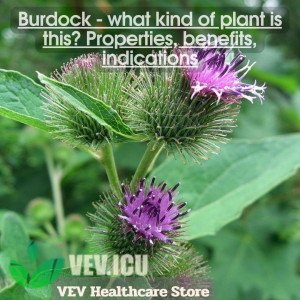
- 19 June 2023 23:14:40
- Views: 502
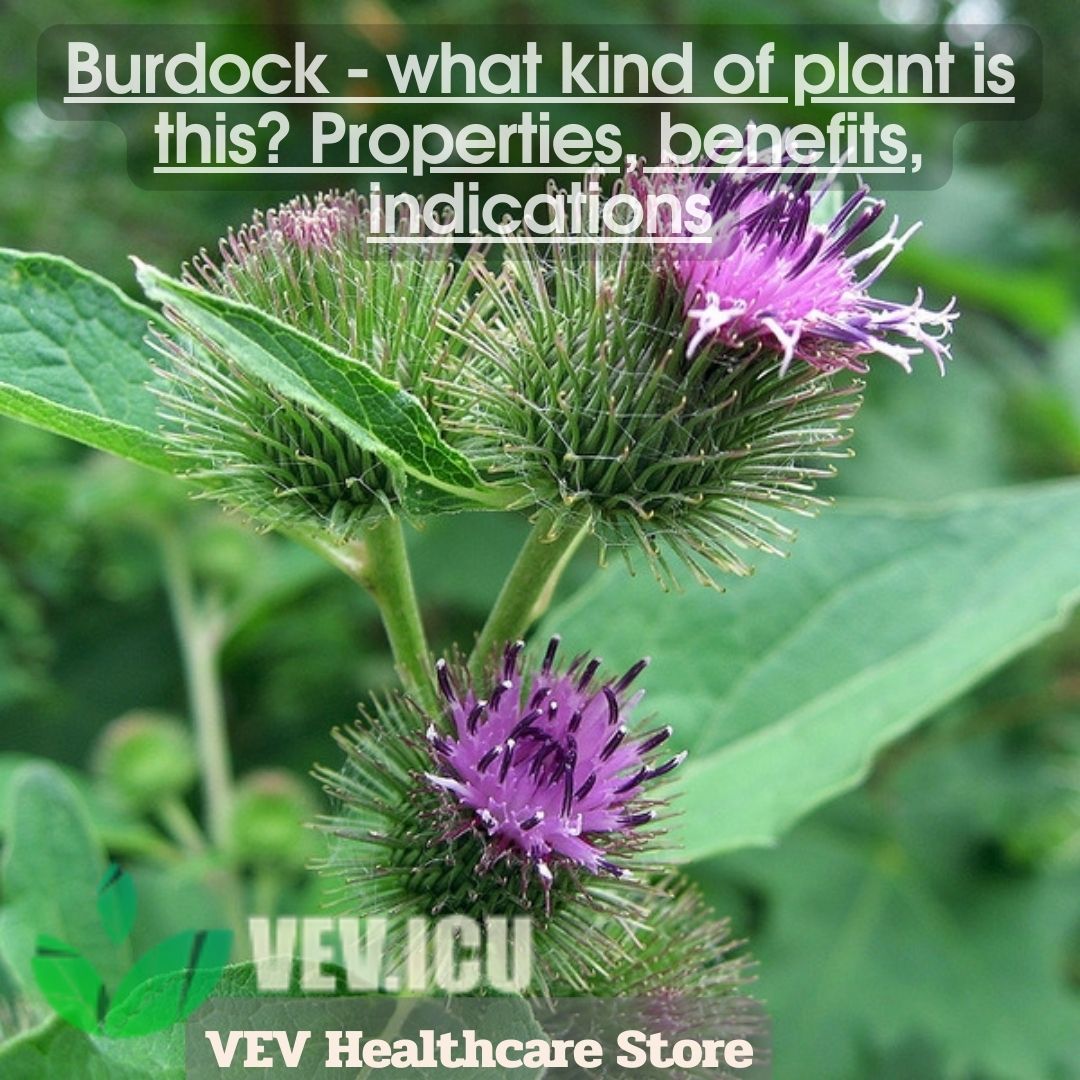
Burdock - what kind of plant is this? Properties, benefits, indications
The burdock plant is a commonly misunderstood species found in the Asteraceae family. As an herbaceous
biennial plant, it produces large, dark green leaves in the first year and an inflorescence characterized
by round, prickly seed heads in the second year. This plant has a long history of use in traditional
herbal medicine as a natural remedy for a variety of ailments. The burdock is known for its diuretic,
anti-inflammatory, and antioxidant properties. Many cultures use the plant to treat skin conditions such
as eczema, psoriasis, and acne. The unique compounds found in the plant also have the potential to lower
blood sugar levels, improve heart health, and promote liver and kidney health. The burdock plant is both
highly nutritious and medicinal, making it a valuable addition to many people's diets and healthcare
regimens.
- Brief explanation of Burdock
Burdock is a biennial herbaceous plant that belongs to the Asteraceae family, commonly found in Asia
and Europe. This plant can grow up to 6 feet tall and its leaves can reach up to 2 feet long. Burdock is
known for its unique flowering system, which produces small purple or pink flowers that grow in clusters,
forming a bur. The plant's root is the most commonly used part due to its high medicinal properties. The
root of the burdock plant is rich in inulin, which is a dietary fiber known for its prebiotic effects and
antioxidant properties. Besides, its roots contain other molecules such as arctiin, arctigenin, lappaol A,
and lappaol C, with anti-inflammatory properties. Burdock root has been used for centuries as a traditional
herbal medicine and as a dietary supplement to support overall health and wellness. Today, burdock root is
still widely used for its potential health benefits in treating various conditions such as acne, constipation,
and arthritis.
- Significance of the plant
The significance of burdock plant cannot be understated. The plant has been extensively used in traditional
medicine practices across the globe for centuries due to its numerous therapeutic properties. Burdock is
known for its antibacterial, antiviral, anti-inflammatory, and antioxidant properties. This plant contains
various phytochemicals such as lignans, flavonoids, volatile oils, and tannins, which have a positive effect
on human health. Additionally, burdock is a rich source of essential minerals and vitamins that play
a crucial role in maintaining a healthy body. The plant's root, leaves, and seeds contain various active
compounds that have shown promising results in treating a wide range of ailments like skin disorders,
digestive issues, respiratory problems, and rheumatism. Burdock has also been used as a blood purifier, a
diuretic, and a natural cancer therapy. In conclusion, burdock's wide range of therapeutic properties and
numerous health benefits make it a valuable and significant plant in the world of traditional medicine.
In addition to its medicinal properties, burdock has also been used in traditional cuisine. The roots of the
plant can be harvested and eaten, either raw or cooked. In Japanese cuisine, burdock root is often used in
stews, soups, and stir-fry dishes. In Korean cuisine, it is typically eaten as a side dish or used in bibimbap,
a popular rice bowl dish. Burdock root has a slightly sweet and earthy flavor and a crunchy texture that can
be compared to that of a carrot or parsnip. The leaves of the burdock plant can also be consumed, although
they are less commonly used in cooking. In some regions, such as Italy, the young leaves are often added
to salads or cooked similarly to spinach. Overall, the versatility of burdock as both a medicinal herb and
a culinary ingredient has made it a valuable plant in various cultures around the world.
II. Definition of Burdock
Burdock is a plant species that belongs to the Asteraceae family and is widely distributed throughout
Europe, Asia, and North America. It is known for its large and compound leaves, as well as its purple-pink
flowers that bloom in the summer season. The herb's root has medicinal properties and has traditionally
been used in Eastern medicines for centuries. The burdock root contains many beneficial substances,
including inulin, phenolic acids, and mucilage. These compounds are known to have a range of health
benefits, from improving digestion to relieving inflammation and promoting skin health. In addition, burdock
roots are also rich in antioxidants, vitamins, and minerals such as iron, manganese, and potassium. In
conclusion, burdock is an important herb with a range of beneficial properties that have made it a popular
ingredient in natural medicines and cosmetics.
- Classification
Classification is a fundamental concept in the field of biology that enables scientists to organize and
understand the vast diversity of living organisms on Earth. It involves grouping species based on their
shared characteristics and evolutionary relationships. One such system of classification is the Linnaean
taxonomic hierarchy, which categorizes living things into seven major ranks: kingdom, phylum, class,
order, family, genus, and species. Each rank is based on a set of shared characteristics with the next level
of hierarchy being more specific than the one above it. In the case of burdock, it belongs to the kingdom
Plantae, the phylum Magnoliophyta, the class Magnoliopsida, the order Asterales, the family Asteraceae,
the genus Arctium, and the species Arctium lappa. Knowing the classification of burdock is useful for
identifying it accurately and for better understanding its characteristics and potential benefits.
- Origin and distribution
Burdock's origin is uncertain, with some reports suggesting it is native to Europe, while others suggest
it originated in Asia. Its distribution, however, is wide and varied. Burdock is found growing in North
America, Europe, Asia, and some parts of Africa. It has become naturalized in many places due to its use
as a food source and for its medicinal properties. It is commonly found growing in fields, along roadsides,
and in waste areas. Burdock is a tough plant that can grow in a wide range of soil and climate conditions.
It thrives in areas of consistent moisture and can tolerate both sun and shade, making it a hardy plant
that is easy to grow. Due to its widespread distribution and hardy nature, burdock has been utilized for
centuries as a food source and medicinal plant by many different cultures.
In addition to its culinary and medicinal uses, burdock has also been studied for its potential as a
natural remedy for various skin problems. The plant contains compounds that have anti-inflammatory
and antioxidant properties, which can help soothe and improve the appearance of the skin. Burdock root
extract has been shown to be effective at reducing acne and other skin irritations, and may even help to
improve the symptoms of more serious conditions like eczema and psoriasis. Additionally, the plant's
anti-inflammatory properties may help to soothe sore joints and muscles, making it a potential natural
remedy for arthritis and other similar conditions. Overall, burdock is a highly versatile plant that has been
used for centuries for its many health benefits, and continues to be studied today for its potential to treat
a variety of ailments and conditions.
III. Nutritional and Medicinal Properties
Burdock is an impressive plant that offers many nutritional and medicinal properties. The root of burdock
is high in fiber, containing up to 70% inulin, a prebiotic that promotes the growth of beneficial bacteria in
the gut. It is also a source of potassium, iron, manganese, and phosphorus. Burdock contains antioxidants
that protect the body from free radicals, inflammatory diseases and aging. Moreover, the plant is known for
its anti-inflammatory, antibacterial and antifungal properties. This is evidenced in studies where burdock
has been shown to have a positive effect on treating skin diseases such as eczema, psoriasis, and acne.
In addition to those properties, the plant has also been used as a natural remedy for digestive problems,
such as constipation and bloating. The extract from burdock root has been known to help reduce blood
sugar levels in people with diabetes. Therefore, the consumption of burdock can provide many benefits
for physical health, making it an important plant to recognize and incorporate into our diets.
- Overview of Burdock's nutritional content
Burdock is a highly nutritive plant that contains numerous beneficial compounds that support overall
health and wellness. The root of the burdock plant is particularly rich in essential minerals, including
iron, manganese, magnesium, and calcium. These minerals play a crucial role in maintaining healthy
bones, promoting muscle function, and regulating the body's vital processes. Burdock root also contains
high amounts of inulin, a type of carbohydrate that acts as a prebiotic, feeding the beneficial bacteria in
the gut and supporting digestive health. In addition to its mineral and prebiotic content, burdock is also a
rich source of antioxidants, including quercetin and lignans, which protect cells from oxidative damage
and inflammation. All these nutrients make burdock a valuable addition to the diet, promoting health and
wellness from the inside out.
- Explanation of Burdock's medicinal properties
One of the most significant aspects of Burdock is its medicinal properties. The plant's medicinal properties
are well-known for their fantastic healing effects on various ailments. The Burdock roots and leaves are
the two main parts of the plant that have medicinal value and are used in various traditional medicines.
The plant is believed to have anti-inflammatory, diuretic, anti-cancer, and anti-bacterial properties. It is
known to be useful in treating skin conditions like eczema, psoriasis, and acne. Burdock is also believed
to have blood detoxifying abilities, enhance liver function, reduce high levels of blood sugar, and lower
blood pressure. Some studies suggest that the plant may also have anti-tumor properties, which may help
prevent various cancers. With all these fascinating medicinal benefits, it is no wonder that Burdock is
popular in traditional medicine and is an important ingredient in many herbal and homeopathic remedies.
Burdock has been an important plant for human use for centuries, with a wide range of benefits and uses.
It has been used in traditional medicine to treat a variety of ailments, including skin conditions, arthritis,
and digestive problems. Burdock roots are rich in antioxidants, which can help protect the body from
damaging free radicals, and the plant is also a good source of vitamins and minerals, including vitamins
B and E, iron, and potassium. Burdock tea is a popular beverage in many parts of the world, and it is
believed to have a wide range of health benefits, including reducing inflammation and improving liver
function. Some studies have also suggested that burdock may have anti-cancer properties, although further
research is needed to confirm these findings. Overall, burdock is a versatile and valuable plant with a long
history of use in traditional medicine and as a food source.
IV. Health Benefits of Burdock
In addition to its culinary uses, burdock has been used for centuries in traditional medicine to treat a variety
of ailments. The roots, leaves, and seeds of the plant contain numerous vitamins and minerals, including
iron, manganese, calcium, and vitamins A and C. This makes burdock a potent anti-inflammatory and
antioxidant agent. A 2014 study published in the Journal of Ethnopharmacology found that burdock
root extract significantly reduced levels of inflammatory markers in the blood, suggesting that it may
be effective in treating chronic inflammatory conditions such as rheumatoid arthritis and inflammatory
bowel disease. Burdock has also been shown to support liver function and improve digestive health. Its
high fiber content helps promote regular bowel movements and may help lower cholesterol levels. Overall,
the health benefits of burdock are numerous and diverse, making it a valuable addition to any diet or
supplement regimen.
- How Burdock boosts immunity
Burdock has long been recognized for its ability to boost the immune system. It contains compounds
that are known to stimulate various immune cell types, such as macrophages and natural killer cells,
which are responsible for reducing the risk of infections and cancers. Additionally, burdock also possesses
anti-inflammatory properties, which can help the body fight off harmful pathogens by reducing
inflammation in the body. In combination with its ability to promote skin health and detoxification,
these immunity-boosting benefits make burdock a popular herbal remedy in traditional medicine systems.
However, it is important to note that more research is still necessary to fully understand the mechanisms
behind burdock's immune-boosting properties and to confirm its specific benefits in humans. Nonetheless,
the evidence so far suggests that incorporating burdock into one's diet may help support a strong and
healthy immune system.
- How Burdock fights inflammation
Burdock has been scientifically shown to have anti-inflammatory properties. Inflammation is a natural
response of the body to injury or infection. However, when it becomes chronic, it can lead to a range
of health problems such as heart disease, diabetes, and cancer. The active components in burdock, such
as phenolic acids, luteolin, and quercetin, have been found to inhibit the production of inflammatory
compounds in the body. In addition, burdock root contains an ingredient known as inulin which has been
shown to stimulate the growth of beneficial gut bacteria. This can help to support the immune system and
reduce inflammation. Furthermore, Burdock is also known for its antioxidant properties, which can help
to reduce oxidative stress, a major contributor to chronic inflammation. The anti-inflammatory effects of
burdock make it a promising natural remedy for conditions such as arthritis, skin disorders, and digestive
issues.
- How Burdock benefits skin health
Burdock is a versatile plant that has traditionally been used in folk medicine to treat a wide range of
health conditions. One of the most notable benefits of burdock is its ability to improve skin health. Indeed,
burdock root has been used for centuries as a natural remedy for common skin problems, such as acne,
psoriasis, and eczema. The anti-inflammatory properties of burdock help to reduce swelling and redness
associated with these conditions, while its antibacterial and antifungal qualities help to control the growth
of harmful bacteria and fungi on the skin. Burdock is also rich in antioxidants, which help to protect the
skin against damage from free radicals, and enhance its natural rejuvenation processes. To benefit from
burdock's skin-enhancing properties, you can apply a burdock root extract topically, or consume burdock
tea or supplements on a regular basis.
- How Burdock fights cancer
Furthermore, burdock has shown promising results in fighting cancer. The plant contains several compounds,
such as arctigenin and lignans, that have been studied for their potential anticancer properties.
Arctigenin, specifically, has been shown to inhibit the growth and spread of various types of cancer cells,
such as breast, lung, and liver cancer cells. Additionally, burdock has been found to have an antioxidant
effect, which can help prevent damage to cells and DNA that could lead to the development of cancer. In
one study, burdock root extract was found to reduce the formation of tumors in rats injected with cancerous
cells. While more research is needed to fully understand the anticancer effects of burdock, current findings
suggest that adding this plant to your diet could potentially provide some protection against cancer.
In addition to its medicinal properties, burdock has also been used as a food source. Its root and leaves
can be consumed raw or cooked in various dishes such as soups, stews, and teas. The root of the burdock
plant has a slightly sweet and earthy flavor and is often likened to that of artichokes. In many cultures, it is
considered a delicacy and has been used as a component in traditional dishes. Burdock root contains inulin,
a soluble dietary fiber that is beneficial for gut health. Additionally, it is a rich source of vitamins and
minerals such as iron, magnesium, and potassium. Studies have also shown that it possesses antimicrobial
and anti-inflammatory properties. However, it is recommended to consult with a healthcare professional
before consuming burdock as a food source or using it for medicinal purposes.
V. Indications of Burdock
V. Indications of burdock include several different health benefits. The leaves and roots of this plant
are often used to treat or prevent a variety of conditions. The roots, in particular, have been known to
help regulate blood sugar, improve digestive health, and reduce inflammation. Burdock may also have a
beneficial effect on the skin, helping to clear up acne, eczema, and other skin conditions. In addition, some
studies have suggested that burdock may have a positive effect on liver health, improving liver function
and detoxification. Other potential benefits include anti-cancer properties and support for the immune
system. Overall, while further research is needed to fully understand the effects of burdock on human
health, indications suggest that this plant may be a valuable addition to a healthy diet and lifestyle.
- Diseases and conditions that Burdock can prevent or treat
Burdock has been used to prevent or treat various diseases and conditions. One of the most well-known
and widespread uses of burdock is as a natural remedy for skin conditions. Its anti-inflammatory and
antibacterial properties make it particularly effective in treating acne and other skin problems. Burdock
has also been found to be helpful in treating digestive problems such as constipation, diarrhea, and
indigestion. It has been shown to promote the growth of healthy gut bacteria, which can aid in digestion
and promote overall gut health. Other conditions that burdock has been used to treat include high
blood pressure, arthritis, osteoporosis, and even cancer. While more research is needed to confirm the
effectiveness of burdock in treating these conditions, its long history of use in traditional medicine
suggests that it may be a valuable natural remedy for a wide range of health issues.
- How to incorporate Burdock into daily life
To incorporate burdock into daily life, there are several options available. One of the easiest ways is to
make tea out of burdock root. To do this, slice the burdock root and simmer it in hot water for about 10
minutes. Another option is to add burdock root to soups or stews for its earthy and slightly sweet flavor.
Burdock root can also be used as a vegetable and sautéed with other vegetables or added to stir-fries.
Additionally, burdock can be consumed as a supplement in capsule or powdered form, with most dosage
recommendations ranging from 1-2 grams per day. It is important to note that while burdock is generally
safe for most individuals, those with allergies to other plants in the daisy family should exercise caution
and consult a healthcare professional before use. Overall, incorporating burdock into daily life can provide
numerous health benefits and flavorful culinary options.
Taking a closer look at the potential benefits of burdock, it has been found that the herb is widely known
for its blood-purifying properties. This is because the high amount of antioxidants present in the root
of the plant aids in the removal of toxins from the blood, which can reduce inflammation and improve
overall health. Burdock is also used for topical purposes, such as treating skin conditions like eczema and
psoriasis due to its anti-inflammatory properties. The herb has been found to reduce oxidative stress and
tissue damage caused by free radicals, which can contribute to skin damage. Furthermore, a recent study
has found that burdock root has potential anti-cancer properties due to its ability to inhibit abnormal cell
growth and trigger cell death in cancer cells. Therefore, burdock is an important herb with a range of
properties and potential health benefits that can be harnessed for the treatment of various ailments.
VI. Side Effects and Precautions
In addition to its numerous benefits, burdock has been found to have some potential side effects and
precautions that must be taken into account. While most people tolerate burdock well, allergic reactions
may occur in some individuals. These allergic reactions may manifest as skin reactions like hives, rashes,
and itching, or more severe reactions like breathing difficulties, swelling of the face, throat, or tongue,
and anaphylaxis in rare cases. Additionally, burdock may interact with certain medications like diuretics,
blood thinners, and insulin, hence it is advisable to consult a doctor before using burdock supplements
if you are on any medication. Furthermore, pregnant women and nursing mothers are discouraged from
using burdock due to a lack of sufficient safety data. Overall, while burdock may provide numerous health
benefits, it is important to be aware of the potential side effects and precautions, and if necessary, consult
a healthcare professional before taking any supplements.
- Possible adverse effects of Burdock consumption
Possible adverse effects of consuming Burdock are primarily mild and infrequent. However, some people
who are allergic to plants in the Asteraceae family may experience an allergic reaction to Burdock,
resulting in symptoms that can include skin rash, itching, and difficulty breathing. Additionally, Burdock
contains high levels of potassium, which can cause hyperkalemia in individuals with impaired kidney
function. It is recommended that individuals with kidney problems or who take medications for high
blood pressure, such as potassium-sparing diuretics, should avoid consuming large amounts of Burdock.
Furthermore, Burdock may interact with diabetes medications and increase the risk of hypoglycemia.
Therefore, individuals with diabetes should monitor their blood sugar levels carefully when consuming
Burdock. Overall, while Burdock is generally safe to consume, individuals with specific health concerns
should exercise caution and consult with their healthcare provider before including it in their diet.
- Who should avoid Burdock
Although burdock is generally safe for most people to consume, certain individuals should avoid using
it. Burdock contains high amounts of inulin, a type of fiber that can cause digestive distress in some
people. Individuals with digestive disorders such as irritable bowel syndrome or inflammatory bowel
disease may experience bloating, gas, and cramping when consuming burdock. Additionally, those who
are allergic to certain plants in the Asteraceae family, such as daisies or chrysanthemums, may also be
allergic to burdock. People who are taking medications that lower blood sugar levels should use burdock
with caution, as it may lower blood sugar levels too much. Pregnant and breastfeeding women should also
avoid burdock, as there is not enough research to determine its safety for these populations. Ultimately,
it is recommended that individuals consult with a healthcare professional before using burdock as a
supplement or incorporating it into their diet.
In addition to the aforementioned health benefits, burdock root has also been shown to have potential
anti-cancer properties. Several studies have found that burdock root can inhibit the growth of cancer
cells in vitro, particularly in relation to breast and skin cancers. However, more research is needed
to determine whether burdock root extract could be an effective treatment for cancer in humans. It is
worth noting that burdock root should not be used as a substitute for conventional cancer treatments,
but rather as a complementary therapy. Burdock root may also have potential as a natural remedy for
certain skin conditions, such as eczema and psoriasis. Its anti-inflammatory and antioxidant properties
may help to reduce inflammation and improve skin health. However, again, more research is needed to
fully understand the potential benefits and risks of burdock root for these indications.
VII. Conclusion
In conclusion, burdock is a versatile plant that has shown numerous health benefits over the years and
continues to be an essential ingredient in many herbal remedies. The plant has proven to be an effective
diuretic, anti-inflammatory and has also shown anti-cancer properties. Burdock is also beneficial for gut
health, skin health, and immune function. However, it is important to note that burdock may interact
with certain medications and can cause allergic reactions in some individuals. As with any natural
remedy, it is crucial to consult with a healthcare professional before consuming burdock or any other
herbal supplements. In addition, while burdock can help alleviate some symptoms, it is not a substitute
for professional medical care, and individuals should seek medical attention if they experience severe
symptoms. Nonetheless, given the long history of burdock use and its proven benefits, incorporating this
plant into one's diet can provide many potential health benefits.
- Recounting Burdock's benefits and properties
Burdock has been extensively studied for its various health benefits and properties. For instance, it is
known to help with detoxification by stimulating lymphatic drainage and promoting sweating. Additionally,
burdock is commonly used to improve skin health due to its antibacterial and anti-inflammatory
properties. It is also believed to enhance digestion and support liver function, making it an appealing
option for those experiencing digestive issues. Some studies have suggested that burdock can boost
immune function by stimulating white blood cell production, potentially helping to fight infections.
Additionally, burdock may play a role in managing blood sugar levels and reducing inflammation in
the body, two factors that can contribute to the development of chronic disease. In summary, Burdock
possesses a unique combination of valuable properties that make it a potent herbal remedy for maintaining
overall health and wellbeing.
- Final thoughts and recommendations for using Burdock
In conclusion, Burdock is a versatile herb with an extensive array of health benefits, making it an excellent
addition to one's diet or medicine cabinet. Its roots, leaves, and seeds are commonly used in herbal
medicine due to their various therapeutic properties such as anti-inflammatory, diuretic, and anti-oxidant
effect. Considered a safe and gentle herb, Burdock has been used for centuries in traditional Chinese and
Ayurvedic medicine, and recent scientific studies have supported the effectiveness of its claimed health
benefits. For those seeking a natural alternative to treat acne, eczema, colds, and diverse health issues,
Burdock could be a valuable option. However, it's worth noting that certain groups, such as pregnant
or breastfeeding women, should avoid burdock consumption. Ultimately, if you're considering using
Burdock as a supplement or remedy, it's best to consult with a healthcare professional familiar with herbal
medicine to ensure its proper usage.
Bibliography
- OECD. 'Improving the Environment through Reducing Subsidies Part I: Summary and Conclusions
- Part II: Analysis and Overview of Studies.' Part I: Summary and Conclusions - Part II: Analysis and
Overview of Studies, OECD Publishing, 3/25/1998
- Sanford Evans. 'Medicinal Herbs.' No Prescription Needed! Heal Yourself Naturally With Medicinal
Herbs, CreateSpace Independent Publishing Platform, 10/4/2014
- Doctor Vicki Jones. 'Atenolol.' Functions, Uses, Dosage, Side Effects and Precautions for the Active
Medication Used to Treat High Blood Pressure (Hypertension), Amazon Digital Services LLC - KDP
Print US, 3/31/2019
- Malinee Thambyayah. 'Integrative Healthcare Remedies for Everyday Life.' Elsevier Health Sciences,
12/6/2022
- Hassan G. 'Natural Remedy to Treat and Reverse Hepatitis.' Step by Step Guide on how to Treat,
Prevent, & Reverse Hepatitis (A, B, C, D, & E) Naturally Without Going Through Surgery and Enhance
the Healthiness of the Liver, Amazon Digital Services LLC - KDP Print US, 7/13/2021
- Matthew Wood. 'The Earthwise Herbal, Volume I.' A Complete Guide to Old World Medicinal Plants,
North Atlantic Books, 7/5/2011
- Jim Chan. 'Essiac.' A Native Herbal Cancer Remedy, Cynthia Olsen, Lotus Press, 1/1/2004
- Publications International Ltd. 'Botanical Beauty.' Detoxify Your Body, Clean Up Your Look, and
Change Your Life!, Publications International, Limited, 1/1/2021
- Lauren Talbot. 'Clear Skin Detox Diet.' A Revolutionary Diet to Heal Your Skin from the Inside Out,
Simon and Schuster, 4/15/2014
- Jeanine Pollak. 'Healing Tonics.' 101 Herbal Concoctions to Increase Energy, Boost Immunity,
Enhance Memory, Ease Digestion, and Support Daily Health and Wellness, Storey Books, 1/1/2000
- Old Natural Ways. 'Ancient Herbal Gardening:Discover The Hidden Benefits Of 6 Age Old Medicinal
Herbs And Plants In Your Backyard.' FASTLANE LLC, 11/11/2018
- Alice Henkel. 'Weeds Used in Medicine.' The Minerva Group, Inc., 6/1/2003
- Chris Conrad. 'Hemp for Health.' The Medicinal and Nutritional Uses of Cannabis Sativa, Inner
Traditions / Bear & Co, 2/1/1997
- United States. Office of Personnel Management. Office of Classification. 'Position Classification
Standards.' For Positions Under the General Schedule Classification System, U.S. Office of Personnel
Management, Office of Classification, 1/1/1990
- Johanna Lehner. 'Folklore and Symbolism of Flowers, Plants and Trees.' Ernst Lehner, Tudor
Publishing Company, 1/1/1960
- George A. Burdock. 'Encyclopedia of Food and Color Additives.' CRC Press, 1/1/1997
People also ask
What are the benefits of burdock plant?
What is Arctium lappa used for?
What are the medicinal benefits of burdock tea?
What are the benefits of burdock for the liver?
Is burdock good for health?
What part of burdock is medicinal?
What are the health benefits of burdock root for hair growth?
Is burdock root good for hair growth?
Is Arctium lappa good for hair?
Is burdock root good for testosterone?
Is burdock tea good for skin?
Is burdock tea safe?
Can I drink burdock everyday?
Does burdock have side effects?
Is burdock tea good for heart?
Is burdock safe for kidneys?
Is burdock high in estrogen?
Who should not drink burdock tea?
Does burdock root clean your liver?
Buyers Online
- Customer placed a new order for NIMESIL 2G X 30 SACHETS 100 MG — MADE IN GERMANY — FREE SHIPPING
- Customer from Brooklyn updated their account details
- Customer from Brooklyn logged in
- Customer from Strongsville logged in
- Customer from Brooklyn updated their account details
- Customer from Brooklyn placed a new order for VOLTAREN MAX GEL 180G - MADE IN SWITZERLAND - FREE SHIPPING
- Customer from Brooklyn logged in
- Customer placed a new order for DEBUTIR FORTE 60 СAPS — MADE IN POLAND- FREE SHIPPING
- Customer from Ottawa updated their account details
- Customer from Ottawa registered for an account
- Customer placed a new order for STRESAM 50MG 60 PILLS - MADE IN FRANCE - FREE SHIPPING
- Customer placed a new order for ACNE-DERM Cream 2p x 20Gr — Made in Poland by Uniapharm — Free Delivery
- Customer placed a new order for Ascorbic acid 0,05g 2p x 160 tablets — Made in Ukraine — Free Delivery
- Customer placed a new order for Fanigan 100 tablets — Made in India — Free Delivery
- Customer from Raleigh placed a new order for Essentiale Forte 300 mg, 2p x 50 capsules — Made in Poland — Free Delivery
- Customer from Raleigh logged in
- Customer placed a new order for TENOTEN FOR CHILDREN 40 PILLS — MADE IN LITHUANIA — FREE SHIPPING
- Customer from Raleigh logged in
- Customer placed a new order for Aqua Maris for Children from Birth nasal drops 10 ml — Made in Croatia — Free Deliver
- Customer from Raleigh logged in
Latest










Bestsellers