






Causes and treatment of Dental cavities

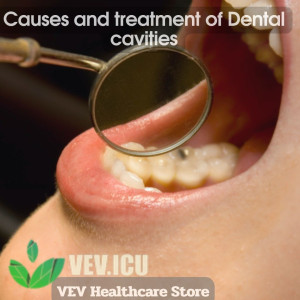
- 08 may 2023 18:20:24
- Views: 993

Causes and treatment of Dental cavities
Dental cavities are one of the most common dental issues affecting individuals globally. The prevalence
of this problem can be attributed to numerous factors, including lifestyle habits, dietary choices, and poor
oral hygiene. Dental cavities can cause a range of problems, including tooth sensitivity, pain, difficulty
in eating, and dental infections that can spread to other parts of the body. Preventing and treating dental
cavities requires an understanding of the causes and risk factors associated with the condition. In this
essay, we will explore the various causes of dental cavities and the most effective treatments, including
preventive measures such as a healthy diet, regular brushing and flossing, and professional dental care.
This essay aims to provide a comprehensive guide for anyone seeking to prevent and treat dental cavities.
A. Definition of dental cavities
Dental cavities, also known as dental caries, are one of the most common dental problems faced by
individuals. They are caused by the bacterial decay of the tooth's surface due to the buildup of dental
plaque, a sticky film of bacteria that forms on the teeth. When an excess of sugary or starchy foods are
consumed, the bacteria in the plaque converts these foods into acids that can dissolve the protective layer
of the tooth, leading to tooth decay. Dental cavities can occur on any surface of the tooth, such as the
chewing surfaces, between teeth or on the root surface, and can progress and worsen if left untreated. If
not treated in the early stages, dental caries can lead to tooth loss, infections, and other serious oral health
complications.
B. Importance of understanding the causes and treatment of dental cavities
In addition to the physical discomfort that comes with dental cavities, they can also lead to more severe
oral health issues if left untreated. Understanding the causes and treatments of dental cavities is essential
for preventing the progression of the cavity and addressing the root cause of the issue. Oral hygiene
practices such as brushing and flossing daily can help prevent cavities, but if they have already formed,
addressing them promptly can prevent further damage to the tooth and surrounding tissues. Moreover,
proper dental care can help to prevent the development of future cavities. By understanding the causes of
cavities, individuals can make informed decisions about their oral health, including their diet, oral hygiene
practices, and a visit to the dentist. Ultimately, it is critical to prioritize dental health to avoid more severe
oral health issues down the road.
C. Thesis statement
A thesis statement is a central argument that guides all the discussion and analysis in an essay. The
thesis statement in this study is that dental cavities are caused by a combination of factors such as
poor oral hygiene, unhealthy dietary habits, and genetic predisposition. The treatment of dental cavities
involves both preventive measures and curative procedures. Examples of preventive measures include
avoiding sugary foods, brushing and flossing teeth regularly, and using fluoride toothpaste. The curative
procedures, on the other hand, include drilling the affected tooth and filling it with dental amalgam or
composite materials. The thesis statement is important because it sets the direction and scope of the
discussion, ensuring that all the subsequent arguments and evidence are relevant to the topic. Additionally,
the thesis statement helps readers to understand the author's perspective and expectations regarding the
essay's content.
Another important factor that can contribute to the development of dental cavities is nutrition. Diets high
in sugars and carbohydrates can provide a food source for the bacteria responsible for tooth decay. When
these bacteria are able to feed on sugar and carbohydrates, they generate acid as a byproduct that can erode
the tooth enamel and create cavities. Additionally, inadequate nutrition can weaken the teeth and make
them more susceptible to decay. Calcium and fluoride are essential nutrients for healthy teeth, and a lack
of these minerals can lead to weakened enamel and an increased risk of cavities. To prevent dental cavities,
it is crucial to maintain a healthy and balanced diet. Reducing the intake of sugary and high-carbohydrate
foods, and increasing the consumption of calcium and fluoride-rich foods, such as dairy products and
leafy greens, can help to support dental health and reduce the risk of cavities.
II. Causes of Dental Cavities
Poor oral hygiene practices are one of the leading causes of dental cavities. When individuals do not brush
or floss regularly or effectively, plaque builds up on their teeth, increasing the risk of tooth decay. Plaque
is a sticky film that contains bacteria which use the sugars in food to produce acid. The acid then erodes
the enamel, the outer layer of the teeth that protects them from decay. Eating foods that are high in sugar
and carbohydrates also contributes to the formation of cavities. These types of foods provide bacteria
with an abundant supply of sugars that they rapidly ferment and produce acid, leading to tooth decay.
Sipping sugary drinks, such as soda or energy drinks, over long periods of time can also contribute to the
formation of cavities. The acid in these beverages mixes with bacteria to produce plaque which damages
the teeth.
A. Plaque and bacteria
One of the main culprits of dental cavities is the persistent presence of plaque and bacteria in the mouth.
Plaque is a sticky film that coats the teeth and forms when bacteria in the mouth interact with sugars and
starches. If not removed regularly, the plaque buildup can lead to demineralization of the tooth enamel
and eventual decay. Bacteria that commonly thrive in the mouth include Streptococcus mutans, which
produces acid and contributes to the development of cavities. Poor oral hygiene habits can exacerbate
this issue and create an environment that is particularly conducive to the growth of harmful bacteria. To
prevent dental cavities, it is essential to practice good oral hygiene, such as brushing twice a day, flossing
daily, and limiting sugary and starchy foods in the diet, to minimize the growth and spread of plaque and
bacteria in the mouth.
B. Sugar and carbohydrate consumption
Another factor that contributes to the development of dental cavities is sugar and carbohydrate consumption.
When individuals consume sugary foods and drinks, the bacteria in the mouth feed on the sugar
and produce acid as a byproduct. This acid then attacks the enamel of the teeth, leading to tooth decay.
Additionally, foods and drinks that are high in carbohydrates, such as bread and pasta, can also contribute
to cavity formation. These foods break down into sugars in the mouth, providing fuel for the bacteria to
produce acid. To prevent cavities caused by sugar and carbohydrate consumption, it is important to limit
these foods and drinks in the diet. Additionally, it is crucial to brush and floss regularly to remove any
remaining food particles and bacteria from the mouth before they have a chance to cause harm.
C. Poor oral hygiene
is a very common cause of dental cavities. When oral hygiene is not maintained properly, leftover food
particles accumulate on the teeth, and they settle in the crevices and cracks of the teeth. Over time, the
bacteria in the mouth can feed on these particles and produce acids that eat away at the tooth enamel.
The decay then progresses to the dentin and eventually to the pulp, leading to the formation of cavities.
In addition, if the mouth is not cleaned properly, the buildup of plaque and tartar can lead to gum disease,
which can also contribute to the formation of cavities. Hence, maintaining good oral hygiene habits like
brushing twice daily, flossing, using mouthwash, and visiting the dentist regularly is essential to prevent
the formation of dental cavities.
D. Genetics and age
Genetics and age also play a role in the development of dental cavities. Some individuals are born with
weaker tooth enamel or a predisposition to producing more harmful bacteria in the mouth, which can lead
to cavities. Additionally, as we age, our teeth naturally become more vulnerable to decay as the protective
enamel wears down and the roots of the teeth become exposed. Older adults are also at increased risk for
dry mouth, which can allow harmful bacteria to thrive. It is important for individuals to maintain good oral
hygiene throughout their lifetimes, but especially as they age and their risk for cavities increases. Regular
dental check-ups and cleanings can help prevent and address any issues before they become more serious
problems.
Another approach to prevent dental cavities is the use of fluoride. The mineral is known for its usefulness
in strengthening teeth and making them resistant to decay. Fluoride can be applied topically in the form
of toothpaste and mouthwash or systemically through water fluoridation. Systematic fluoride is the most
effective and efficient way to reduce the occurrence of dental cavities. Water fluoridation has been widely
implemented and has been shown to reduce dental caries rates by up to 50%. This approach has been
deemed safe and cost-effective, making it an attractive option for communities worldwide. Although
fluoride is effective in protecting the teeth, excessive consumption can lead to dental fluorosis, a condition
that causes white spots to develop on the teeth. Therefore, it is important to use fluoride products in
appropriate quantities to avoid this.
III. Signs and Symptoms of Dental Cavities
The signs and symptoms of dental cavities include toothache, sensitivity to hot and cold foods and drinks,
and visible pits or holes in the teeth. As the cavity progresses, the tooth may become discolored or develop
a visible crack or fracture. In some cases, the cavity can penetrate the inner layers of the tooth, leading to
infection and inflammation of the pulp, which contains nerves and blood vessels. This can cause severe
pain, swelling, and even fever and pus drainage in some cases. If left untreated, dental cavities can result
in tooth loss, bone loss in the jaw, and other serious complications. Therefore, it is important to seek
prompt diagnosis and treatment if you are experiencing any signs of dental cavities. This usually involves
a dental exam, X-rays, and treatment options such as fillings, root canals, or extractions depending on the
severity of the cavity.
A. Tooth sensitivity
Tooth sensitivity is also known as dentin hypersensitivity and is a common dental problem that affects
many people. Tooth sensitivity is characterized by a sharp pain or discomfort when the teeth are exposed
to hot or cold temperatures, sweet or acidic foods and drinks, or even air. The cause of tooth sensitivity is
due to the exposure of the underlying dentin layer of the tooth, which is normally protected by the enamel.
Some common causes of dentin hypersensitivity include tooth decay, gum recession, enamel erosion, and
teeth grinding or clenching. Treatment options for tooth sensitivity may include desensitizing toothpaste,
fluoride treatments, dental bonding, or a dental restoration such as a crown or filling. In severe cases, root
canal therapy may be necessary to alleviate the pain of tooth sensitivity. Regular dental checkups and a
proper oral hygiene regimen can help prevent the development of tooth sensitivity.
B. Pain
is one of the most common symptoms associated with dental cavities. The pain can range from mild
to excruciating, and can be triggered by various stimuli such as hot or cold foods/drinks, sweet or sour
foods/drinks, and pressure on the affected tooth. The pain is caused by the erosion of the enamel and dentin
layers of the tooth, which exposes the underlying nerves. In some cases, the pain may be accompanied by
swelling, fever, and bad breath. Over time, untreated dental cavities can lead to more severe complications
such as infection, abscesses, and tooth loss. Treatment options for dental cavities include fillings, crowns,
root canal therapy, and extractions, depending on the severity of the cavity. Pain management strategies,
such as over-the-counter pain relievers and local anesthesia, may also be used to alleviate discomfort
during treatment.
C. Discoloration of the tooth
is a common sign that a dental cavity has developed. Tooth discoloration is usually seen as brown, black,
or white spots on the enamel surface, which may be difficult to remove with brushing or toothpaste. Some
causes of tooth discoloration include poor oral hygiene, certain types of food and drinks, smoking, and
certain medications. Not all types of tooth discoloration are caused by cavities, but it is important to have
a dentist examine discolored teeth to determine if a cavity or other dental issue is present. Treatment for
tooth discoloration varies depending on the severity of the condition and may include simple at-home
remedies like whitening toothpaste or professionally administered treatments like dental bonding or
veneers. It is important to address tooth discoloration early on to prevent more serious dental problems
from developing.
D. Holes or pits in teeth
Holes or pits in teeth are one of the most visible signs of dental cavities. As the enamel of the teeth begins
to break down, cavities can form, resulting in small holes or pits in the teeth. These holes or pits can
vary in size and shape, and depending on their location, they can be difficult to notice. However, left
untreated, these cavities can grow larger over time, causing pain, swelling, and infection. Treatment for
dental cavities often involves removing the decayed portion of the tooth and filling the hole or pit with a
dental filling material. In some cases, more extensive treatment such as a root canal or tooth extraction
may be necessary. Effective preventative measures such as good oral hygiene, avoiding sugary and acidic
foods, and regular dental checkups can help to prevent the formation of holes or pits in teeth and the
development of dental cavities.
One of the most common ways to prevent dental cavities is by practicing good oral hygiene. This includes
brushing your teeth at least twice a day, flossing regularly, and using mouthwash to kill the bacteria
that may cause cavities. It is also important to limit sugary and starchy foods and drinks, as these can
contribute to the growth of harmful bacteria in the mouth. Good nutrition plays a critical role in cavity
prevention as well, as low levels of vitamins and minerals can compromise oral health. To ensure sufficient
mineral intake, individuals can consume more dairy products, leafy greens, and other nutrient-dense
foods. Additionally, regular visits to the dentist for cleanings and check-ups can alert individuals to
early-stage cavities and other dental concerns before they become more severe and require more extensive
treatment. By incorporating these practices into one's daily routine, cavities can be prevented and oral
health can be preserved.
IV. Treatment of Dental Cavities
The treatment for dental cavities is mainly preventive or restorative. The preventive treatment focuses on
preventing further decay from occurring, such as by using fluoride to strengthen the enamel or by sealing
the teeth with resin to prevent bacteria from entering the tooth. Restorative treatment, on the other hand,
focuses on repairing the tooth that has already been damaged by decay. This can be done by filling the
cavity with a filling made of composite resin, amalgam, or ceramic material. In more severe cases, when
the decay has reached deeper layers of the tooth, a root canal may need to be performed to remove the
infected tissue and seal the canal with a filling. In extreme cases where the tooth cannot be saved, it may
need to be extracted and replaced with a dental implant or bridge. It is important to maintain good oral
hygiene and visit the dentist regularly to catch any cavities early and prevent further damage to the tooth.
A. Fillings
A filling is a common treatment option for a cavity, and refers to the process of restoring a tooth’s structure
after removing decay. Fillings can be made from a variety of materials such as porcelain, composite resin,
gold, or amalgam. Porcelain fillings are usually made by dental laboratories and are custom fitted to repair
and improve the appearance of a tooth. Composite fillings, on the other hand, are made of a plastic and
glass mixture and can be shaped to match the color of the teeth. Gold fillings are the most durable but
also the most expensive, while amalgam fillings are made of a mixture of metals and are generally less
expensive. Regardless of the type of filling, it is important to regularly visit a dentist for check-ups and
cleanings to maintain good oral health and prevent further decay.
B. Crowns
One of the most common treatments for cavities is to place a crown or cap on the affected tooth. Crowns
are custom-made coverings that fit over the existing tooth to protect it from further decay or damage.
Crowns are typically made of ceramic, metal, or a combination of the two, and they are designed to match
the color and shape of the natural teeth as closely as possible. The process for getting a crown typically
involves several visits to the dentist, during which the tooth is prepared by removing the damaged portion
and shaping it to fit the crown. A temporary crown is usually put in place while the permanent one is being
made in a dental lab. Once the permanent crown is ready, it is bonded to the prepared tooth to create a
strong, long-lasting solution to the problem of dental cavities.
C. Root Canal
C. Root canal treatment may be necessary if a cavity has progressed and caused irreversible damage to
the dental pulp. The dental pulp contains the nerves and blood vessels that keep the tooth alive, and if
it becomes infected, root canal treatment is needed to remove the diseased tissue. During a root canal,
the dentist will numb the area and make a small opening in the tooth to access the pulp. The infected
tissue is then removed, and the canal is thoroughly cleaned and disinfected. The canal is then filled with
a rubber-like material and sealed with a filling. A crown is typically placed over the tooth to protect it
and restore its function. Some people may experience some sensitivity or discomfort for a few days after
the procedure, but most are able to resume normal activities shortly after. Root canal treatment is highly
effective at saving teeth that would otherwise need to be extracted.
D. Extraction
refers to the removal of a tooth from its socket in the jawbone. Sometimes, extraction is necessary
when a tooth is severely decayed or damaged beyond repair. In cases where a tooth is impacted or not
erupted properly, extraction may also be recommended. Extraction is typically performed under local
anesthesia and can involve a simple or surgical procedure, depending on the complexity of the case.
Simple extractions involve the removal of teeth that have fully erupted, while surgical extractions involve
more complex procedures such as removing teeth that are impacted or require sectioning. After extraction,
it is important to follow proper aftercare instructions to promote healing and prevent complications such
as dry socket or infection. While extraction is a last resort treatment option, it can effectively relieve pain
and prevent further damage to surrounding teeth and gum tissue.
To better understand the etiology of dental caries, it is important to examine the composition of dental
plaque. Dental plaque consists of a complex microbial community that adheres to the tooth surface and is
bathed in saliva. The primary bacteria found in plaque are Streptococcus mutans and Lactobacillus. The
growth and proliferation of these bacteria are stimulated by high levels of sugars and carbohydrates in the
diet. The acid produced by the metabolic processes of these bacteria eventually leads to demineralization
of the enamel and the formation of a carious lesion. The treatment of dental caries can range from
preventive measures such as fluoride application and sealants, to conservative restorative methods like
fillings and crowns, as well as more invasive therapies like root canal treatments and extractions. However,
the most effective way to manage dental caries is through a combination of prevention, early detection,
and intervention.
V. Prevention of Dental Cavities
To prevent dental cavities, one must practice good oral hygiene by brushing teeth at least twice a day with
fluoride toothpaste and flossing daily. Consumers should also drink plenty of water and avoid sugary food
and drinks, especially between meals. Dental sealants can also be applied on the chewing surfaces of back
teeth as an additional preventive measure. Fluoride treatment can also help prevent tooth decay, which
can be applied as a gel or foam at a dental office. Additionally, regular dental check-ups and cleanings
are recommended for early detection and treatment of any dental problems that may arise. Therefore, it
is important to maintain healthy habits that will promote good oral health and prevent the development
of dental cavities.
A. Regular brushing and flossing
Regular brushing and flossing are crucial habits in maintaining good oral hygiene. Brushing the teeth
at least twice a day with fluoride toothpaste helps remove plaque and bacteria from the surface of the
teeth. Flossing helps remove debris and plaque from areas that are difficult to reach with a toothbrush.
Neglecting to brush and floss regularly can lead to the accumulation of plaque, which is a sticky film of
bacteria that can cause tooth decay. It is important to note that improper brushing and flossing techniques
may also contribute to dental cavities. Therefore, individuals should be knowledgeable of the right
technique for brushing and flossing, which involves brushing in circular motions and a back and forth
motion for flossing. Additionally, mouthwash can be used to kill bacteria and freshen breath. Overall,
regular brushing and flossing are simplistic yet effective ways to prevent dental cavities and ensure overall
oral health.
B. Restricting sugar and carbohydrate intake
Another well-known remedy for preventing dental cavities is restricting sugar intake. Sugars are the
primary fuel source for bacterial growth in the mouth. Without these sugars, the bacterial population is
starved, and their ability to colonize and flourish is reduced. When sugars are consumed, they traverse into
dental plaque where they are metabolized by the bacteria, producing lactic acid. This acid attacks tooth
enamel, leading to eventual decay. Therefore reducing the intake of sugary foods and beverages, especially
the sticky ones that cling to teeth, is critical in preventing cavities. Reducing carbohydrate intake is
also essential. Carbohydrates are sugars that are quickly broken down into simple sugars, causing an
increase in blood sugar levels and thus feeding oral bacteria even more. Therefore, limiting carbohydrate
consumption, especially refined and processed carbohydrates found in junk foods, can decrease the
likelihood of developing cavities.
C. Regular dental check-ups
are crucial to maintaining oral health and preventing dental cavities. During dental check-ups, dentists
can detect early signs of cavities or other dental issues and provide preventive treatments, such as fluoride
applications and dental sealants. Furthermore, regular cleanings help remove plaque and tartar buildup
that can contribute to the formation of cavities. Patients who neglect dental check-ups risk undetected
dental problems that can lead to more severe issues, such as abscesses, gum disease, and tooth loss. While
it is recommended to visit the dentist twice a year, individuals with certain risk factors, such as a history
of cavities, may need to see the dentist more frequently. Making regular dental check-ups a priority can
ensure that the entire mouth is healthy, preventing the need for extensive and expensive dental procedures
in the future.
D. Dental sealants
Dental sealants are one of the most effective ways to prevent cavities on the biting surfaces of teeth. These
materials consist of a plastic resin that is applied to the molars and premolars to provide a protective barrier
against harmful acids and bacteria that can cause decay. The sealant material is applied to the surface of
the tooth and then hardened using a special light. This creates a seal that prevents food particles and
bacteria from becoming trapped in the tiny crevices and pits that naturally occur on the surfaces of the
teeth. Dental sealants have been found to reduce the incidence of cavities by up to 80%, especially in
children and teenagers who are most susceptible to decay. While sealants are not appropriate for every
situation, they are a valuable tool in the fight against tooth decay and can be an effective complement to
other preventive measures such as brushing, flossing, and regular dental checkups.
Moreover, poor oral hygiene and unhealthy dietary habits can also contribute to the formation of dental
cavities. The bacteria in the mouth feed on the sugars and carbohydrates present in the food, producing
acid that erodes the enamel and causes cavities. Consuming too much sugary and acidic drinks, such as
soda and fruit juice, can also contribute to cavities. Furthermore, neglecting to brush and floss regularly
can allow harmful bacteria to grow and flourish in the mouth, leading to tooth decay and cavities. Overall,
taking proper care of one's oral health through good oral hygiene practices and a balanced, healthy diet
can help prevent cavities from forming. In the event that cavities do occur, seeking timely treatment from
a dental professional is crucial to mitigate the damage and prevent further decay from occurring.
VI. Conclusion
In conclusion, dental cavities are a common dental problem that arises as a result of several factors. Poor
oral hygiene practices, frequent intake of sugary and acidic foods, the presence of specific bacteria in
the mouth, and genetics are some of the primary causes. Prevention of dental cavities involves good oral
hygiene practices such as brushing teeth twice a day, flossing regularly, and eating a balanced diet. In
the event that an individual develops cavities, various treatment options are available. Treatment options
include dental filling and tooth extraction. These treatments help to alleviate the pain and prevent the
spread of decay to other teeth. Although dental cavities may seem like a small issue, they can lead to
significant dental problems if not addressed promptly and appropriately. Therefore, it is crucial to maintain
good oral hygiene practices and seek dental advice whenever necessary.
A. Summary of main points
In summary, dental cavities are caused by a complex interaction of factors, including bacteria, diet,
oral hygiene practices, and genetics. Treatment options for cavities include fillings, root canals, and
extractions, depending on the severity of the decay. Prevention is the key to avoiding cavities, including
regular brushing and flossing, limiting sugary and acidic foods and drinks, and seeking regular dental
check-ups. Fluoride treatments and dental sealants can also help prevent tooth decay. While dental cavities
can be painful and detrimental to overall oral health, with proper care and treatment, individuals can
maintain strong, healthy teeth and prevent future cavities. Overall, understanding the causes and treatment
of dental cavities is crucial for maintaining optimal oral health and preventing serious dental problems in
the future.
B. Future implications for dental care
The future of dental care will likely involve increasing emphasis on preventative measures, early diagnosis
of dental cavities and the use of new technologies for treatment. Advances in genetics research are also
expected to lead to more personalized dental care. Oral health education will continue to play a crucial
role in improving overall dental health. With the aging of the population, more attention will be directed
towards oral healthcare for the elderly, who are often unable to maintain a proper oral hygiene regimen.
Dental professionals will need to be highly skilled in identifying risk factors for dental cavities, such as a
patient’s diet and lifestyle habits. The use of tele-dentistry is also emerging as an effective way to provide
access to dental care, especially for individuals living in remote or underserved areas. Overall, the future
of dental care is promising with exciting technological advancements and a growing focus on preventive
care.
C. Final thoughts.
In conclusion, dental cavities remain a common and preventable disease worldwide. The etiology of cavities
is multifactorial and includes behavioral, environmental, and genetic factors. Clinical management
consists of a combination of prevention, early detection, and appropriate treatment. Effective strategies to
prevent dental caries include fluoride use, diet modification, and oral hygiene practices. These measures
must be coupled with regular dental checkups and the application of sealants. The use of nonsurgical
methods such as fluoride therapy, restorative treatments, or remineralization agents proved effective in
preventing and arresting caries. Advanced technologies such as the implementation of smart materials,
laser therapy, or gene therapy are promising avenues for caries prevention and treatment. The importance
of continued research and education, along with policy changes, will help in the global eradication of
dental cavities.
Bibliography
- Jaime Wood. 'The Word on College Reading and Writing.' Carol Burnell, Open Oregon Educational
Resources, 1/1/2020
- Katrin Bekes. 'Pit and Fissure Sealants.' Springer, 2/27/2018
- Latina Bosler. 'Dental Health Tips.' When To Visit The Dentist, Take Care Of Teeth At Home, Save
Your Bills: Ways To Take Care Of Your Teeth, Amazon Digital Services LLC - KDP Print US, 5/22/2021
- World Health Organization. 'Guideline: Sugars Intake for Adults and Children.' World Health Organization,
3/31/2015
- Speedy Publishing. 'Dental Care (Speedy Study Guide).' Speedy Publishing LLC, 12/28/2014
- John J. Murray. 'The Prevention of Dental Disease.' Oxford University Press, 1/1/1989
- Ramiel Nagel. 'Cure Tooth Decay.' Remineralize Cavities and Repair Your Teeth Naturally with Good
Food [Second Edition], Rami Nagel, 2/1/2012
- Chapin Aaron Harris. 'A Dictionary of Medical Terminology, Dental Surgery, and the Collateral
Sciences.' Lindsay & Blakiston, 1/1/1878
- Annie Isabelle. 'The Natural Remedies For Tooth Discoloration.' A Fast And Easy Guide To Tooth
Discoloration, Amazon Digital Services LLC - Kdp, 8/23/2022
- Brian H. Clarkson. 'Clinician's Guide to the Diagnosis and Management of Tooth Sensitivity.' Sahar
Taha, Springer Science & Business Media, 3/10/2014
- Siegfried Hekimi. 'The Molecular Genetics of Aging.' Springer Science & Business Media, 4/5/2000
- Denis P. Burkitt. 'Western Diseases.' Their Dietary Prevention and Reversibility, Norman J. Temple,
Springer Science & Business Media, 12/6/2012
- Jeanne Elizabeth Luck. 'Effect of Mouthwash on Plaque and Bacterial Flora.' A Thesis Submitted in
Partial Fulfillment ... Dental Hygiene Education ..., University of Michigan, 1/1/1967
- James Sim Wallace. 'The Cause and Prevention of Decay in Teeth.' An Investigation Into the Causes of
the Prevalence of Dental Caries, to which are Appended Some Suggestions on Its Prevention, Churchill,
1/1/1900
- Susie Lan Cassel. 'Techniques for College Writing: The Thesis Statement and Beyond.' Kathleen
Moore, Cengage Learning, 1/1/2010
- Bente Nyvad. 'Dental Caries.' The Disease and its Clinical Management, Ole Fejerskov, John Wiley
& Sons, 5/26/2015
- Vladimir W. Spolsky. 'Measurement of Dental Health Status.' Rand Corporation, 1/1/1983
Buyers Online
- Customer from Trieste logged in
- Customer placed a new order for NIMESIL 2G X 30 SACHETS 100 MG — MADE IN GERMANY — FREE SHIPPING
- Customer from Brooklyn updated their account details
- Customer from Brooklyn logged in
- Customer from Strongsville logged in
- Customer from Brooklyn updated their account details
- Customer from Brooklyn placed a new order for VOLTAREN MAX GEL 180G - MADE IN SWITZERLAND - FREE SHIPPING
- Customer from Brooklyn logged in
- Customer placed a new order for DEBUTIR FORTE 60 СAPS — MADE IN POLAND- FREE SHIPPING
- Customer from Ottawa updated their account details
- Customer from Ottawa registered for an account
- Customer placed a new order for STRESAM 50MG 60 PILLS - MADE IN FRANCE - FREE SHIPPING
- Customer placed a new order for ACNE-DERM Cream 2p x 20Gr — Made in Poland by Uniapharm — Free Delivery
- Customer placed a new order for Ascorbic acid 0,05g 2p x 160 tablets — Made in Ukraine — Free Delivery
- Customer placed a new order for Fanigan 100 tablets — Made in India — Free Delivery
- Customer from Raleigh placed a new order for Essentiale Forte 300 mg, 2p x 50 capsules — Made in Poland — Free Delivery
- Customer from Raleigh logged in
- Customer placed a new order for TENOTEN FOR CHILDREN 40 PILLS — MADE IN LITHUANIA — FREE SHIPPING
- Customer from Raleigh logged in
- Customer placed a new order for Aqua Maris for Children from Birth nasal drops 10 ml — Made in Croatia — Free Deliver
Latest










Bestsellers