Coloboma: Types, Causes & Associated Conditions

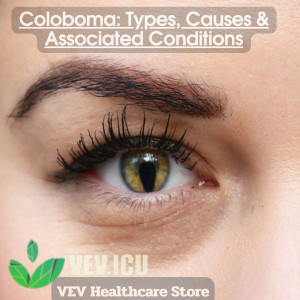
- 07 June 2023 19:57:45
- Views: 1492

Coloboma: Types, Causes & Associated Conditions
Coloboma is a rare congenital eye anomaly that affects the structure of the eye. This condition is
characterized by a hole or gap in one of the structures that make up the eye, including the iris, retina,
choroid, or optic disc. The term coloboma is derived from the Greek word “koloboma,” which means
“mutilation.” In this essay, we will discuss the various types of coloboma, its causes and risk factors, as
well as the associated conditions that may be present. Although coloboma is not a common occurrence,
it can significantly impact an individual’s vision and overall quality of life. Therefore, it is essential to
understand the basics of this condition, its risk factors, and how it can be managed.
A. Explanation of Coloboma
Coloboma is an eye abnormality that occurs when the eye does not form properly during fetal development.
It can affect various structures of the eye, including the iris, retina, choroid, and optic nerve. Some
of the common types of coloboma include iris coloboma, which causes a gap or missing piece in the iris;
retinal coloboma, which affects the retina and can lead to vision loss; and optic nerve coloboma, which
causes a gap or pit in the optic nerve that can result in vision problems. The causes of coloboma are not
fully understood but are believed to be due to genetics or environmental factors. Coloboma can also be
associated with other conditions such as CHARGE syndrome and coloboma-heart defect. Early detection
and treatment of coloboma can prevent severe vision impairment.
One of the most common causes of coloboma is genetic mutations. These mutations affect the development
and growth of various eye structures, including the iris, retina, and optic nerve. In some cases,
coloboma can also be caused by exposure to teratogenic agents during pregnancy. These agents can
include viral infections, drugs, or alcohol. Additionally, coloboma may also be associated with other
conditions and syndromes, such as CHARGE syndrome, Hirschsprung disease, and Renal-Coloboma
Syndrome. As the exact cause of coloboma can vary from person to person, it is important to consult with
a medical professional for proper diagnosis and management of this condition.
II. Types of Coloboma
Another type of coloboma is the uveal coloboma, which affects the uvea, the middle layer of the eye. Uveal
colobomas can be present at birth, or they can develop later in life due to trauma, disease, or other causes.
This type of coloboma can affect the iris, ciliary body, and choroid, and can cause visual disturbances such
as blurred or distorted vision or sensitivity to light. People with uveal colobomas may be at higher risk
for other eye conditions such as glaucoma or retinal detachment. Treatment for uveal colobomas often
involves monitoring for possible complications and may involve surgery or other interventions to address
vision problems.
A. Eye Coloboma
Eye coloboma is a rare congenital condition that affects the development of the eye. It is caused by
a malformation during the early stages of eye development, resulting in a gap in any part of the eye,
including the iris, retina, choroid, or optic nerve. Eye coloboma can vary in size and shape and can affect
one or both eyes. As the condition affects the eye's structure and function, it can result in vision impairment
ranging from mild to severe. People with eye coloboma may also exhibit other associated conditions,
such as nystagmus, cataracts, glaucoma, and microphthalmia. Eye coloboma is typically diagnosed during
infancy or childhood, and treatment depends on the severity of the condition.
1. Iris Coloboma
One specific type of coloboma is the iris coloboma, which occurs when there is a gap or notch in the
iris. This can cause the pupil to be an irregular shape or to appear larger than usual. Iris colobomas are
typically present at birth and can be inherited genetically. These colobomas can also indicate the presence
of other genetic conditions, such as Waardenburg syndrome or CHARGE syndrome. Individuals with iris
coloboma may experience vision problems, including sensitivity to light or blurred vision, and may need
corrective eyewear or surgery to improve their vision. Fortunately, with proper diagnosis and treatment,
individuals with iris coloboma can maintain good eye health and vision.
2. Choroidal Coloboma
Choroidal coloboma is a rare type of coloboma that affects the choroid layer of the eye. The choroid is
responsible for supplying nutrients and oxygen to the retina, so any defects or abnormalities in this layer
can have severe consequences on vision. Choroidal coloboma typically presents with mild to moderate
vision impairment, and patients may experience blurred or distorted vision. There is no known cure for
choroidal coloboma, but management typically involves regular eye exams and visual aids such as glasses
or contact lenses to improve vision. Additionally, genetic counseling may be recommended for affected
individuals and their family members to identify any underlying genetic causes of the condition and to
assess the risk of inheritance.
3. Optic Nerve Coloboma
Optic Nerve Coloboma is a rare and congenital condition in which a portion of the optic nerve fails
to develop properly. This results in a gap or hole in the optic disc, which is the entry point for all
visual information into the brain. People with Optic Nerve Coloboma often experience vision loss or
abnormalities, such as blurred vision or blind spots, particularly in the peripheral areas of their visual
field. The condition may also affect eye movements and cause nystagmus, which is an involuntary
rhythmic movement of the eyes. Diagnosis typically involves a comprehensive ophthalmic examination
and imaging studies, such as a CT scan or MRI. Treatment depends on the severity of the condition and
the symptoms present, and may include visual aids, low vision services, or surgery.
B. Skin Coloboma
Skin coloboma is a rare condition that occurs when a portion of an individual's skin fails to form properly
in utero, leading to a missing patch of skin. This can present itself as a small, circular hole in the skin or a
larger area where there is no skin present at all. The condition can occur anywhere on the body and is often
a cosmetic concern for affected individuals. Skin coloboma is typically treated through surgery to graft
skin onto the affected area, but scarring and pigmentation issues may persist. It is often associated with
other conditions such as skeletal abnormalities, syndromes, and eye coloboma. Due to its rarity, further
research is necessary to fully understand the causes and implications of skin coloboma.
1. Lip and Palate Coloboma
Lip and palate coloboma is a rare type of coloboma that affects the lip and/or palate. It is caused by a failure
of the tissue to fuse together during embryonic development, leading to a gap or split in the lip and/or
palate. The severity of the condition can vary, ranging from a small notch in the lip to a complete cleft
of the lip and palate. Children with lip and palate coloboma may experience feeding difficulties, speech
problems, and dental issues, which can require surgical intervention. Treatments may include surgeries
to repair the cleft and speech therapy to improve communication skills. It is important for healthcare
professionals to provide support and specialized care to patients and families affected by lip and palate
coloboma.
2. Genital Coloboma
Genital coloboma is a relatively rare congenital abnormalities caused by an incomplete closure of the
urorectal septum during embryonic development. It presents as a unique defect in the anterior wall
of the rectum and/or in the posterior urethra, which can vary in size and shape. Patients with genital
coloboma may experience a range of associated conditions, including lower urinary tract dysfunction,
vesicoureteral reflux, hypospadias, hernias, or other defects in the gastrointestinal, cardiovascular, or
central nervous systems. Diagnosis of genital coloboma typically requires a thorough urologic evaluation
with appropriate radiologic and endoscopic imaging. Many patients with genital coloboma may require
surgical intervention to ensure proper reproductive and urinary function.
One of the associated conditions that may accompany coloboma is microphthalmia. This refers to a
congenital disorder in which one or both eyes fail to grow to their expected size during development.
Microphthalmia may be present on its own or occur in combination with other ocular abnormalities such
as coloboma. The condition can result in significant vision impairment and may require treatment such
as corrective lenses or surgery. Microphthalmia can occur due to genetic mutations, exposure to certain
chemicals or infections during pregnancy, or as a result of other medical conditions. In cases where it
presents alongside coloboma, careful monitoring and management may be necessary to help prevent
further vision loss.
III. Causes of Coloboma
One of the most common causes of coloboma is a genetic mutation that occurs during fetal development.
In particular, mutations in the PAX2 gene have been linked to a higher risk of developing coloboma.
Additionally, environmental factors such as maternal infections or alcohol consumption during pregnancy
have also been associated with an increased risk of coloboma. Other causes of coloboma may include
problems with retinal development or damage to the eye during early childhood. Understanding the
various causes of coloboma is critical for developing effective treatment and management strategies for
individuals affected by this condition. Additionally, continued research into the underlying causes of
coloboma may provide important insights into the broader field of ocular development and function.
A. Genetic Causes
Genetic causes play a significant role in the development of coloboma. There are several inherited genetic
syndromes associated with this condition, including CHARGE syndrome, Goldenhar syndrome, and
Patau syndrome. These syndromes are caused by mutations in specific genes that affect the development
of different parts of the body, including the eyes. Researchers have identified several genes responsible
for normal eye development. Mutations in these genes can disrupt the formation and positioning of the
structures in the eye, leading to coloboma. Genetic testing can help doctors identify the underlying cause
of coloboma in individuals and their families, allowing for better management and genetic counseling.
1. Chromosomal abnormalities
Chromosomal abnormalities are mutations that affect the structure or number of chromosomes in an
individual. These changes can be caused by a variety of factors, including genetic inheritance, exposure
to environmental toxins, or errors during cell division. Chromosomal abnormalities can have various
effects on an individual, ranging from mild to severe. Some common chromosomal abnormalities include
Down syndrome, Turner syndrome, and Klinefelter syndrome. These disorders can result in physical,
cognitive, and behavioral changes that can affect an individual's overall health and well-being. While
chromosomal abnormalities cannot be cured, they can often be managed with proper medical care
and support. Early diagnosis and treatment are critical in improving outcomes for individuals with
chromosomal abnormalities.
2. Single gene mutations
Single gene mutations are responsible for a number of genetic disorders, including coloboma. The genetic
mutations that cause coloboma can impact the development of the eye and surrounding tissues, leading to
incomplete formation of structures such as the iris, retina, and optic nerve. While some of these mutations
are sporadic, others may be inherited in an autosomal dominant or recessive manner. Genetic testing can
be used to identify the specific gene mutations that lead to coloboma. Understanding these mutations can
not only aid in diagnosis, but may also be useful in developing targeted treatments in the future.
B. Non-Genetic Causes
Aside from genetic factors, there are several non-genetic causes of coloboma. These include intrauterine
infections, exposure to toxic substances, and trauma during pregnancy. Maternal illnesses such as
rubella, cytomegalovirus, or toxoplasmosis can cause developmental abnormalities in the fetus, including
coloboma. Exposure to certain medications, such as thalidomide or isotretinoin, during pregnancy can
also lead to coloboma. In addition, physical trauma to the developing fetus can result in coloboma. It is
important for pregnant women to be aware of these potential causes and to take necessary precautions to
minimize any risks. Early diagnosis and treatment of coloboma can significantly improve the prognosis
and quality of life for affected individuals.
1. Environmental factors
Environmental factors are also believed to play a role in the development of coloboma. Exposure to certain
toxins and chemicals during fetal development has been shown to increase the risk of this condition.
Additionally, maternal illnesses and infections during pregnancy may increase the likelihood of coloboma.
Studies have also found a higher prevalence of coloboma in certain geographic locations, suggesting
that environmental factors such as high altitude or ultraviolet radiation exposure may also contribute to
its development. These environmental factors can disrupt the proper formation of the eye during fetal
development, leading to the visual abnormalities seen in coloboma.
2. Teratogens
Teratogens are substances or agents that disrupt normal embryonic development and lead to congenital
defects. The effects of teratogens on the developing fetus depend on the exposure timing, the dosage,
and the duration of the exposure. There are different categories of teratogens, including chemicals,
medications, infections, and radiation. The effects of teratogens can range from mild to severe, and may
affect different organs and systems in the body. Some teratogens can cause eye abnormalities, such as
coloboma, by interfering with the formation of the optic cup during embryonic development. Therefore,
preventing teratogenic exposure is critical during pregnancy to reduce the risk of congenital defects and
associated conditions.
Disparities in access to healthcare have been a longstanding issue in the United States, with significant
consequences for patients' health outcomes. Minority populations, individuals living in rural areas, and
those with low incomes are particularly vulnerable to inadequate healthcare access. Several factors contribute
to these disparities, including a lack of insurance coverage, limited access to medical facilities, and
language barriers. Healthcare professionals, policymakers, and other stakeholders have a responsibility
to address healthcare access inequalities and implement solutions to improve healthcare outcomes for
all Americans. This will require a coordinated effort to increase access to insurance coverage, expand
healthcare infrastructure, and provide culturally sensitive care to diverse patient populations.
IV. Associated Conditions with Coloboma
Coloboma is a developmental defect that affects the eye, and it can occur on its own or in association
with other conditions such as CHARGE syndrome, renal coloboma syndrome, or Pierre Robin syndrome.
CHARGE syndrome is a rare chromosomal disorder that affects multiple organs including the eyes, heart,
ears, and nervous system. Individuals with CHARGE syndrome often have a coloboma of the iris and
retina, in addition to hearing loss and facial abnormalities. Renal coloboma syndrome is a genetic disorder
characterized by abnormalities of the kidneys and urinary tract, as well as eye defects such as coloboma.
Finally, Pierre Robin syndrome is a rare disorder that causes a cleft palate, a small lower jaw, and breathing
difficulties. Coloboma can occur in individuals with Pierre Robin syndrome and may be associated with
other eye defects such as microphthalmos or anophthalmos.
A. CHARGE Syndrome
A.CHARGE syndrome is a rare genetic disorder that affects multiple body systems. It results from the
mutation of a specific gene and is characterized by a set of abnormalities, including coloboma. Individuals
with CHARGE syndrome may have craniofacial abnormalities, such as ear and eye anomalies, cleft
lip and palate, and small jaw. They may also have problems with their heart, lungs, digestive system,
and immune system. Sensory impairments, such as hearing loss and balance issues, are common as
well. Developmental delays and intellectual disabilities are also associated with CHARGE syndrome.
Management of the condition involves interdisciplinary care and addressing each individual’s unique
needs.
B. Kabuki Syndrome
is a rare genetic disorder that affects multiple systems of the body. Kabuki syndrome is caused by
mutations in the KMT2D and KDM6A genes that are responsible for controlling the activity of other
genes during embryonic development. The syndrome is characterized by distinctive facial features,
developmental delays and intellectual disability, short stature, skeletal abnormalities, and abnormalities
in organ systems such as the heart, kidneys, and immune system. The diagnosis of Kabuki syndrome can
be difficult due to the variability in symptoms and the fact that many of the symptoms are not unique to
this syndrome. Treatment is mainly supportive and focuses on managing the various symptoms associated
with the disorder.
C. Microphthalmia
Microphthalmia is a congenital eye abnormality characterized by an abnormally small eyeball. The
condition can occur as an isolated abnormality or as part of a syndrome. Microphthalmia can present
with a range of symptoms, depending on its severity, including vision loss, strabismus, nystagmus, and
other eye abnormalities. This condition is caused by genetic mutations or changes in the developmental
process during embryogenesis. Environmental factors such as maternal infections during pregnancy or
exposure to toxic substances may also contribute to the development of microphthalmia. Management of
microphthalmia typically involves treating associated conditions or providing visual aids such as glasses
or contact lenses. In severe cases, surgery may be necessary to correct the abnormality.
D. Coloboma, Heart Anomaly, Choanal Atresia, Retardation, Genital, and Ear Anomalies
(CHARGE)
CHARGE syndrome is a rare genetic disorder characterized by a combination of several birth defects.
The acronym CHARGE stands for the various anomalies that are linked with this syndrome, including
D. coloboma, heart anomaly, choanal atresia, retardation, genital, and ear anomalies. D. Coloboma is a
type of eye abnormality, where there is a missing portion of the eye tissue, leading to vision problems.
Cardiovascular anomalies are often observed in patients with CHARGE syndrome, and they can range
from minor heart defects to severe heart abnormalities. Choanal atresia is a closure or blockage of the
nasal passage, making it difficult for the affected individual to breathe. In addition, CHARGE syndrome
may also cause hearing loss, genital malformations, cognitive disabilities, and behavioral problems. The
complexity of the syndrome and its multiple associated anomalies make proper management and early
diagnosis imperative for patients with CHARGE syndrome.
In addition to visual impairments, individuals with coloboma may also experience non-ocular co-occurring
conditions such as hearing loss, heart defects, and developmental delays. These associations can vary
depending on the location and severity of the coloboma. For example, individuals with coloboma of the
iris may have a higher risk of hearing loss, while those with coloboma of the optic nerve may be more
likely to have brain or heart abnormalities. Understanding these potential associations is essential for
providing comprehensive care to individuals with coloboma and managing any associated health issues
that may arise. Genetic counseling may also be recommended for affected individuals and their family
members to determine the underlying cause of the coloboma.
V. Diagnosis and Treatment of Coloboma
The diagnosis of coloboma is usually made by an ophthalmologist who examines the eyes and performs
various tests to confirm the condition. These tests may include visual acuity tests, electroretinography, and
imaging tests such as ultrasound or computed tomography (CT) scans. Treatment options for coloboma
vary depending on the extent and severity of the condition. In cases where the coloboma is small and
does not affect vision, no treatment may be necessary. However, in cases where the coloboma is large
or involves critical structures such as the optic nerve or macula, surgery or other interventions may be
necessary to restore or improve vision. In some cases, individuals with coloboma may require ongoing
monitoring and treatment throughout their lives to ensure that any new symptoms or complications are
addressed promptly.
A. Diagnosis
Diagnosis of coloboma involves a comprehensive eye exam, medical history review, and imaging tests.
During the eye exam, an ophthalmologist or optometrist will examine the retina, optic nerve, and other
parts of the eye for signs of coloboma. Imaging tests such as ultrasound, MRI, or CT scans may also be
used to identify the extent and location of coloboma. Additionally, genetic testing may be recommended
to determine if there is an underlying genetic condition associated with coloboma. It is essential to identify
the type, location, and size of coloboma to determine the appropriate treatment and management plan for
the patient. Early diagnosis and timely treatment can significantly improve a patient's visual outcomes
and prevent potential complications.
1. Physical examination
A physical examination is necessary for the diagnosis of coloboma. The doctor will examine the eye
and surrounding areas to identify any abnormalities. The doctor will also check for other associated
conditions such as microphthalmia and optic nerve abnormalities. The physical examination involves
using instruments to look inside the eye and measure its size. The doctor may also perform a visual
acuity test to determine the extent of the patient's vision loss. A thorough physical examination is crucial
to properly diagnose and manage coloboma and any associated conditions. It allows for an accurate
assessment of the extent of the defect and helps the doctor determine the best treatment plan for the
patient.
2. Imaging tests
Imaging tests are an important diagnostic tool used to identify and confirm coloboma. CT scans, MRI
scans, and ultrasound imaging are all commonly used to visualize the affected area and surrounding
tissues. These imaging tests help doctors to not only confirm the presence of coloboma but also to
determine the extent and severity of the malformation. Additionally, they can be used to rule out other
associated conditions and identify any other abnormalities that may be present. Imaging tests also aid in
the development of a treatment plan, as they provide detailed information about the structure and function
of the affected area, and can help guide surgical decisions. However, it is important to note that imaging
tests may not always show the extent of the damage caused by coloboma.
B. Treatment
for coloboma varies depending on the severity of the condition and the specific area of the body affected.
In some cases, surgery may be necessary to repair the defect or improve visual function. For those
with coloboma of the eye, treatments such as glasses, contact lenses, vision therapy, or medication
may be recommended to improve vision. Additionally, individuals with coloboma may require ongoing
monitoring and management of associated conditions, such as hearing loss or kidney abnormalities. In
cases of coloboma affecting the heart or other organs, treatment may involve medication and lifestyle
changes to reduce the risk of complications. Early diagnosis and treatment can help improve outcomes
for individuals with coloboma and reduce the risk of long-term complications.
1. Eye Coloboma
Eye coloboma is a congenital disorder that occurs during the early stages of fetal development and results
in irregular-shaped pupils, iris, retina or optic nerve. The severity of the condition ranges from mild to
severe, depending on the location and size of the defect. Eye coloboma can affect either one or both
eyes, and in some cases it can lead to visual impairment or blindness. The causes of the disorder are not
fully understood, but research suggests that genetic mutations and environmental factors can play a role.
Common associated conditions include microphthalmia, nystagmus, and cataract. Treatment options vary
depending on the severity of the condition and may include corrective lenses, surgery, or visual aids.
- Vision correction devices
One of the most common methods of treating vision issues is through the use of vision correction devices.
These devices come in many forms, including glasses, contact lenses, and surgical interventions like
LASIK. Glasses and contacts work by correcting the way light enters the eye, allowing the wearer to see
more clearly. LASIK surgery, on the other hand, reshapes the cornea to improve the eye's focus. While
these methods can be effective for many people, they may not work for everyone. Additionally, people
with certain eye conditions like coloboma may require specialized vision correction devices or methods.
It is important for individuals with vision issues to work with their eye care professionals to determine
the best treatment options for their specific needs.
- Surgery
Surgery is often required in cases where individuals with coloboma have severe vision impairment or
complications with their eye structure. The surgical approach depends on the location, size, and severity of
the coloboma. For instance, individuals with coloboma of the iris may require cosmetic surgery to correct
the disfigurement. Surgical intervention for optic nerve or retina coloboma, on the other hand, typically
involves repairing or stabilizing the damaged tissue. Surgical procedures can include vitrectomy, scleral
buckling, or retinal detachment surgery. Following surgery, individuals may require further treatment
or vision therapy to fully restore their vision and ensure that the coloboma does not cause further
complications.
2. Skin Coloboma
Skin coloboma, also known as cutaneous coloboma, is a rare condition characterized by a visible absence
of skin in a particular area of the body. This results in a gap or notch in the skin, which can vary in shape
and depth. Skin coloboma can occur anywhere on the body, but is most commonly seen in the neck, back,
and abdomen. This condition is typically present at birth and may be associated with other developmental
abnormalities. Although the exact cause of skin coloboma is not known, it is believed to be related to the
abnormal development of embryonic tissues during pregnancy. Skin coloboma is treated with surgical
intervention, which typically involves closure of the gap in the skin using tissue from another area of the
body.
Surgery is often necessary for individuals with coloboma, particularly those experiencing visual impairment
or at risk for further complications. The type of surgery needed is largely dependent on the location
and size of the coloboma. In some cases, surgery may be required to repair clefts in the iris or remove
supporting tissue to prevent retinal detachment. For optic nerve colobomas, surgery may be necessary
to improve vision by reducing the pressure on the optic nerve. Although surgery can greatly improve
overall quality of life for those with coloboma, it carries risks such as infection and bleeding, and may
not always completely resolve visual impairment. Thus, careful consideration and consultation with a
medical professional is essential before undergoing surgery.
In conclusion, coloboma is a rare developmental anomaly that can occur in several parts of the eye,
resulting in vision loss or other visual problems. There are various types of coloboma, depending on
which part of the eye is affected. The condition can be caused by genetic mutations or environmental
factors, such as maternal drug use during pregnancy. Coloboma may also be an isolated condition or
associated with other genetic syndromes or conditions. Early diagnosis and treatment are important to
improve the chances of optimal vision and proper management of associated conditions. Current research
is investigating potential therapies, including gene therapy, to treat coloboma and prevent vision loss.
VI. Conclusion
In conclusion, coloboma is a rare congenital eye abnormality that affects various structures within the
eye. The term coloboma is derived from the Greek word ‘kolobos’ which means ‘mutilated or cut
short.’ Although the condition is generally not associated with significant visual impairment, it can result
in severe vision loss in some cases. The diagnosis of coloboma is typically made during infancy or
early childhood, and prompt referral to an ophthalmologist is recommended. Genetic testing is often
recommended to identify any underlying conditions or syndromes that may be associated with the
condition. Early identification and management of coloboma is crucial for preventing or minimizing the
risk of visual impairment and associated health complications.
A. Overview of Coloboma
Coloboma is a rare congenital genetic disorder that can affect different parts of the body, including the
eyes, ears, and other organs. It is characterized by an abnormality in the development of the eye, which
results in a missing piece of tissue in the iris, lens, choroid, or optic nerve. Coloboma can lead to a range
of vision problems, such as poor depth perception, nearsightedness, and sensitivity to bright light. The
condition occurs in approximately one in every 10,000 live births and can be caused by a variety of factors,
including genetic mutations, exposure to certain medications or toxins during pregnancy, or complications
during fetal development. While there is no known cure for coloboma, early diagnosis and treatment can
help manage its associated conditions and improve quality of life.
B. Importance of Early Diagnosis and Treatment
Early diagnosis and treatment are crucial in managing coloboma. If left untreated, coloboma can result in
various visual disabilities such as blindness and strabismus. These consequences can significantly affect
an individual's quality of life and interfere with their daily activities and overall well-being. Therefore,
early detection of coloboma can help prevent these complications and optimize treatment outcomes.
Additionally, early intervention can also improve the chances of preserving or improving vision overall.
Early diagnosis and treatment can be achieved through regular eye exams and prompt referral to a
specialist. As such, it is essential to seek medical attention as soon as possible if any symptoms or signs
of coloboma are noted.
Bibliography
- Quan-Yang Duh. 'Textbook of Endocrine Surgery.' Orlo H Clark, JP Medical Ltd, 2/29/2016
- Gustavo A. Gandara-Montano. 'Advances in Deterministic Femtosecond Laser Writing of Vision
Correction Devices in Ophthalmic Hydrogels.' University of Rochester, 1/1/2019
- J. T. W. Van Dalen. 'Congenital Anomalies of the Eye.' 1. Optic Nerve Coloboma, Optic Nerve
Hypoplasia, Morning Glory Syndrome, Holland Ophthalmic Publishing Center, 1/1/1983
- Naglaa Allam. 'Advances in Treatment of Hepatitis C and B.' BoD – Books on Demand, 3/8/2017
- Wilbur Dallas Hall. 'Clinical Methods.' The History, Physical, and Laboratory Examinations, Henry
Kenneth Walker, Butterworths, 1/1/1990
- Institute of Medicine. 'Improving Diagnosis in Health Care.' National Academies of Sciences,
Engineering, and Medicine, National Academies Press, 1/29/2016
- Judith E. Allanson. 'Management of Genetic Syndromes.' Suzanne B. Cassidy, John Wiley & Sons,
5/13/2010
- Margaret A. Hefner. 'CHARGE Syndrome.' Timothy S. Hartshorne, Plural Publishing, Incorporated,
11/1/2020
- Vera M. Kolb. 'Teratogens.' Chemicals Which Cause Birth Defects, Elsevier, 10/22/2013
- Institute of Medicine. 'U.S. Health in International Perspective.' Shorter Lives, Poorer Health, National
Research Council, National Academies Press, 4/12/2013
- New York-Mid-Atlantic Consortium for Genetic and Newborn Screening Services. 'Understanding
Genetics.' A New York, Mid-Atlantic Guide for Patients and Health Professionals, Genetic Alliance,
Lulu.com, 1/1/2009
- Janet V. Engels. 'Focus on Birth Defects Research.' Nova Publishers, 1/1/2006
- Health Formation. '30 Day Journal and Tracker: Reversing Retinal Dystrophy and Iris Coloboma with
Or Without Congenital Cataract.' The Raw Vegan Plant-Based Detoxification and Regeneration Journal
and Tracker for Healing. Journal 1, Independently Published, 2/9/2020
- Ida Mann. 'Developmental Abnormalities of the Eye.' CUP Archive, 1/1/1957
- Kevin Hyunjin Yoon. 'Investigation of the Genetic Etiology of Superior Coloboma and the Formation
and Closure of Superior Ocular Sulcus.' University of Alberta, 1/1/2021
People also ask
How does coloboma affect the eye?
What causes coloboma syndrome?
What syndrome is associated with coloboma?
What happens when you have coloboma?
How many types of coloboma are there?
What are the complications of coloboma?
Can a coloboma change with age?
Can coloboma change?
Is coloboma a genetic condition?
Can coloboma cause leukocoria?
Buyers Online
- Customer from Brooklyn updated their account details
- Customer from Brooklyn logged in
- Customer from Strongsville logged in
- Customer from Brooklyn updated their account details
- Customer from Brooklyn placed a new order for VOLTAREN MAX GEL 180G - MADE IN SWITZERLAND - FREE SHIPPING
- Customer from Brooklyn logged in
- Customer placed a new order for DEBUTIR FORTE 60 СAPS — MADE IN POLAND- FREE SHIPPING
- Customer from Ottawa updated their account details
- Customer from Ottawa registered for an account
- Customer placed a new order for STRESAM 50MG 60 PILLS - MADE IN FRANCE - FREE SHIPPING
- Customer placed a new order for ACNE-DERM Cream 2p x 20Gr — Made in Poland by Uniapharm — Free Delivery
- Customer placed a new order for Ascorbic acid 0,05g 2p x 160 tablets — Made in Ukraine — Free Delivery
- Customer placed a new order for Fanigan 100 tablets — Made in India — Free Delivery
- Customer from Raleigh placed a new order for Essentiale Forte 300 mg, 2p x 50 capsules — Made in Poland — Free Delivery
- Customer from Raleigh logged in
- Customer placed a new order for TENOTEN FOR CHILDREN 40 PILLS — MADE IN LITHUANIA — FREE SHIPPING
- Customer from Raleigh logged in
- Customer placed a new order for Aqua Maris for Children from Birth nasal drops 10 ml — Made in Croatia — Free Deliver
- Customer from Raleigh logged in
- Customer from Raleigh placed a new order for Essentiale Forte 300 mg, 2p x 50 capsules — Made in Poland — Free Delivery
Latest










Bestsellers