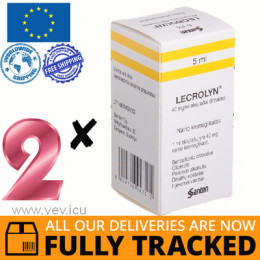
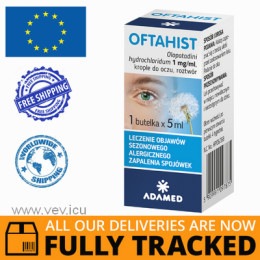
Eye drops for allergies are high-precision liquid formulations designed to treat the localized inflammatory response of the conjunctiva. By delivering active ingredients like antihistamines and mast cell stabilizers directly to the eye surface, these drops bypass systemic side effects and provide immediate relief from "grittiness," intense itching, and redness caused by airborne irritants.
Description
What is Eye drops and How Does it Work?
Ocular Eye drops function as a localized "environmental barrier." When allergens like pollen or dust land on the moist surface of your eye, they trigger a "degranulation" process where local cells burst open and release histamine. These eye drops contain specific molecules that act as "staples" to hold these cells shut, while simultaneously blocking the receptors that cause your eyes to turn red and feel itchy.
Recognizing Ocular Allergy Symptoms
Allergic conjunctivitis is often more than just a minor annoyance; it can significantly impair your vision and comfort. These drops are designed to treat:
Ocular Pruritus: The hallmark symptom—a burning, sharp itch that makes you want to rub your eyes constantly, which often worsens the inflammation.
Hyperemia (Redness): The blood vessels in the white part of the eye (sclera) dilate to bring in immune cells, leading to a bloodshot appearance.
Epiphora (Excessive Tearing): The eye attempts to "wash away" the allergen, leading to constant watering that can blur vision and irritate the skin around the eyes.
Periorbital Edema: Swelling of the delicate skin around the eyes, often giving a "puffy" or tired appearance.
Chemosis: In severe cases, the clear membrane covering the eye can swell so much it looks like a gel-like bubble on the surface of the eye.
Mechanism of Action
Think of an allergic eye as a windshield covered in sticky, irritating glue. Eye drops act as a dual-action cleaning and protection system. First, the liquid vehicle helps mechanically flush out the "glue" (pollen). Second, the active medication acts like microscopic "caps" that snap onto the nerve endings in the eye. These caps prevent the "itch signals" from reaching your brain, while also telling the blood vessels to stop leaking and return to their normal size, clearing up the redness within minutes.
Expert Pharmacist Insight
Many patients confuse "allergy drops" with "vasoconstrictor drops" (marketed for general redness relief). I recommend avoiding products that only contain vasoconstrictors for long-term use, as they can cause "rebound redness," where the eye becomes even more inflamed once the drug wears off. Instead, use specialized ocular antihistamines or mast cell stabilizers. Pro-tip: If your eyes are very swollen, keep your drops in the refrigerator. The cold temperature provides instant physical relief to the inflamed tissue upon application.
Frequently Asked Questions (Q&A)
How quickly do allergy eye drops work?
Antihistamine eye drops are among the fastest-acting allergy medications. You will typically feel a reduction in itching within 2 to 5 minutes of application. The redness usually begins to fade within 10 to 15 minutes as the blood vessels stabilize and return to their normal diameter.
Can I use these drops if I wear contact lenses?
Most allergy drops contain preservatives that can be absorbed by soft contact lenses and cause irritation or damage to the lens material. You should remove your lenses, apply the drops, and wait at least 15 minutes before reinserting your contacts. Alternatively, look for preservative-free single-use vials.
Why do allergy eye drops sometimes sting when I put them in?
This is usually because the eye surface is already irritated and dry from the allergy itself. When the drop (which has a slightly different pH than your natural tears) hits the eye, it can cause a temporary stinging sensation. This should last only a few seconds and is generally not a cause for concern unless it persists.
Can I use these drops for "Pink Eye"?
No. "Pink eye" is a broad term that can mean an allergy, a virus, or a bacterial infection. If your eyes have a thick, yellow, or green discharge and are "stuck shut" in the morning, it is likely an infection, and allergy drops will not help. Allergy eyes are typically watery, clear, and intensely itchy.
Is it okay to use these drops multiple times a day?
Most modern, high-quality allergy eye drops are designed for twice-daily use (every 12 hours). Using them more frequently than directed doesn't necessarily provide more relief and can lead to increased irritation from the preservatives in the bottle. Always follow the specific instructions on the packaging.
Are there any long-term side effects?
When used as directed, antihistamine and mast-cell stabilizing drops have an excellent safety profile. They do not cause the "thinning" of the eye tissues or the increased ocular pressure (glaucoma) associated with long-term steroid eye drop use.
What is the "Correct" way to apply eye drops?
Tilt your head back, pull down your lower eyelid to create a small "pocket," and squeeze one drop into that pocket. Close your eye gently and press your finger against the inner corner of your eye (near the nose) for one minute. This ensures the drop stays on the eye rather than draining into the throat.
Can children use these drops?
Yes, many formulations are approved for children as young as 3 years old. However, it is always important to consult a pediatrician or pharmacist to ensure the concentration and active ingredient are appropriate for the child's age and specific symptoms.