Psoriasis
Understanding Psoriasis: Causes, Symptoms, and Treatment Options
Psoriasis is a chronic autoimmune skin condition that affects millions of people worldwide. It is characterized by the rapid growth of skin cells, which leads to the formation of thick, scaly patches on the skin's surface. These patches are often red, itchy, and sometimes painful, and can significantly impact a person's quality of life. In this article, we will explore the causes, symptoms, and treatment options for psoriasis to help you better understand this complex condition.
Causes of Psoriasis:
The exact cause of psoriasis is not fully understood, but it is believed to be a combination of genetic and environmental factors. Research has shown that certain genes are associated with an increased risk of developing psoriasis, and a family history of the condition can also be a risk factor. Additionally, triggers such as stress, infections, injury to the skin, and certain medications can exacerbate psoriasis symptoms.
Symptoms of Psoriasis:
Psoriasis can present in various forms, and the symptoms can vary from person to person. The most common type of psoriasis is plaque psoriasis, which appears as raised, red patches covered with silver-white scales. These patches can occur on any part of the body, but are commonly found on the elbows, knees, scalp, and lower back. Other types of psoriasis include guttate psoriasis (small, drop-like lesions), pustular psoriasis (pus-filled blisters), inverse psoriasis (smooth, red patches in skin folds), and erythrodermic psoriasis (widespread redness and shedding of the skin). In addition to the physical symptoms, psoriasis can also cause emotional distress, including embarrassment, self-consciousness, and depression, due to its visible nature.
Treatment Options for Psoriasis:
While there is no cure for psoriasis, there are various treatment options available to manage its symptoms and improve quality of life. The choice of treatment depends on the severity of the condition, the location of the patches, and the individual's overall health. Here are some common treatment options:
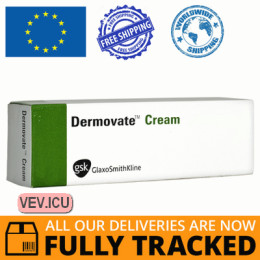
Topical Corticosteroids: These are commonly prescribed medications that help reduce inflammation and itching associated with psoriasis. They are applied directly to the affected skin and are available in different strengths depending on the severity of the condition.
Phototherapy: This involves exposing the skin to ultraviolet (UV) light under medical supervision. Phototherapy can help slow down the rapid growth of skin cells and reduce inflammation.
Systemic Medications: These are oral or injectable medications that work throughout the body to suppress the immune system and reduce inflammation. They are usually prescribed for moderate to severe psoriasis and may have potential side effects that require close monitoring.
Biologic Drugs: These are a newer class of medications that specifically target the immune system cells responsible for psoriasis. They are usually reserved for severe cases of psoriasis and are administered by injection or infusion.
Lifestyle Modifications: Managing triggers such as stress, maintaining a healthy diet, avoiding smoking and excessive alcohol consumption, and keeping the skin moisturized can help reduce psoriasis symptoms.
Alternative Therapies: Some individuals may find relief from psoriasis symptoms through complementary and alternative therapies, such as acupuncture, herbal remedies, or stress-reducing techniques like meditation or yoga. However, it's important to consult with a healthcare professional before trying any alternative therapies.
Conclusion:
Psoriasis is a chronic autoimmune skin condition that affects the skin's appearance and can impact a person's quality of life. While there is no cure, various treatment options are available to manage symptoms and improve overall well-being. If you suspect you may have psoriasis, it's important to consult with a healthcare professional for an accurate diagnosis and appropriate treatment plan. With proper medical care and lifestyle modifications, most people with psoriasis are able to effectively manage their symptoms and lead fulfilling lives. It's also important to remember that psoriasis is not contagious, and seeking support from healthcare providers, dermatologists, and support groups can provide valuable information and emotional support for individuals living with psoriasis. By understanding the causes, symptoms, and treatment options for psoriasis, individuals can take proactive steps to manage this chronic condition and improve their overall well-being.




















Buyers Online
- Customer from Raleigh logged in
- Customer placed a new order for Uro-Vaxom 6mg 30 tablets — Made in Switzerland — Free Delivery
- Customer from Trieste logged in
- Customer placed a new order for NIMESIL 2G X 30 SACHETS 100 MG — MADE IN GERMANY — FREE SHIPPING
- Customer from Brooklyn updated their account details
- Customer from Brooklyn logged in
- Customer from Strongsville logged in
- Customer from Brooklyn updated their account details
- Customer from Brooklyn placed a new order for VOLTAREN MAX GEL 180G - MADE IN SWITZERLAND - FREE SHIPPING
- Customer from Brooklyn logged in
- Customer placed a new order for DEBUTIR FORTE 60 СAPS — MADE IN POLAND- FREE SHIPPING
- Customer from Ottawa updated their account details
- Customer from Ottawa registered for an account
- Customer placed a new order for STRESAM 50MG 60 PILLS - MADE IN FRANCE - FREE SHIPPING
- Customer placed a new order for ACNE-DERM Cream 2p x 20Gr — Made in Poland by Uniapharm — Free Delivery
- Customer placed a new order for Ascorbic acid 0,05g 2p x 160 tablets — Made in Ukraine — Free Delivery
- Customer placed a new order for Fanigan 100 tablets — Made in India — Free Delivery
- Customer from Raleigh placed a new order for Essentiale Forte 300 mg, 2p x 50 capsules — Made in Poland — Free Delivery
- Customer from Raleigh logged in
- Customer placed a new order for TENOTEN FOR CHILDREN 40 PILLS — MADE IN LITHUANIA — FREE SHIPPING