Rosacea
Understanding Rosacea: Symptoms, Causes, and Treatment Options
Rosacea is a chronic skin condition that affects millions of people worldwide. It is characterized by redness, flushing, and small, swollen bumps on the face, particularly on the cheeks, nose, forehead, and chin. Rosacea can cause discomfort and embarrassment for those who suffer from it, but with proper understanding and management, it can be effectively controlled. In this article, we will delve into the symptoms, causes, and treatment options for rosacea to help you gain a better understanding of this common skin condition.
Symptoms of Rosacea:
Rosacea typically presents with a variety of symptoms that can vary in severity from person to person. The most common symptoms of rosacea include:
Persistent facial redness: Rosacea often causes a persistent redness on the central part of the face, including the cheeks, nose, chin, and forehead. The redness may come and go, and it may worsen with triggers such as heat, spicy foods, alcohol, or stress.
Flushing and blushing: People with rosacea may experience episodes of flushing and blushing, which can cause the skin to turn red temporarily.
Small bumps and pimples: Rosacea can cause small, red bumps and pimples to form on the affected areas of the face. These bumps may be filled with pus and can resemble acne, but unlike acne, there are no blackheads or whiteheads associated with rosacea.
Visible blood vessels: Rosacea can cause small, dilated blood vessels (telangiectasia) to become visible on the surface of the skin, particularly on the nose and cheeks.
Eye symptoms: Some people with rosacea may experience eye symptoms such as dryness, burning, and grittiness. This condition, known as ocular rosacea, can cause discomfort and may require separate treatment.
Causes of Rosacea:
The exact cause of rosacea is still unknown, but there are several factors that are believed to contribute to its development. These include:
Genetics: There is evidence to suggest that rosacea may have a genetic component, as it tends to run in families. If you have a close family member with rosacea, you may be at a higher risk of developing the condition.
Abnormal blood vessel function: Some researchers believe that rosacea may be related to abnormalities in the blood vessels of the face, which can cause flushing and redness.
Demodex mites: Demodex mites are tiny insects that normally live on the skin, but they may be more abundant in people with rosacea. It is believed that an overgrowth of these mites may trigger an immune response that leads to inflammation and redness in the skin.
Environmental triggers: Certain environmental factors such as exposure to sunlight, extreme temperatures, wind, and hot beverages can trigger or exacerbate rosacea symptoms in some people.
Immune system response: It is thought that an overactive immune response may play a role in the development of rosacea, leading to inflammation and redness in the skin.
Treatment Options for Rosacea:
While there is no cure for rosacea, there are several treatment options available to help manage its symptoms. The most common treatment approaches for rosacea include:
Topical medications: Prescription creams or gels containing antibiotics, azelaic acid, or metronidazole may be used to reduce inflammation and redness in the skin.
Oral medications: In some cases, oral antibiotics may be prescribed to help control the inflammation associated with rosacea. Oral antibiotics may be used alone or in combination with topical medications.
Laser therapy: Laser treatment can be effective in reducing the redness and visible blood vessels associated with rosacea. Different types of lasers, such as pulsed dye lasers or intense pulsed light (IPL) devices, can be used to target and reduce the redness and visible blood vessels on the skin.
Lifestyle changes: Identifying and avoiding triggers that worsen rosacea symptoms, such as sun exposure, hot beverages, spicy foods, and extreme temperatures, can help manage the condition. Gentle skin care practices, such as using a mild, fragrance-free cleanser and avoiding harsh skin care products, can also help reduce irritation.
Eye care: If you have ocular rosacea, your doctor may prescribe eye drops or other medications to help manage the eye symptoms associated with rosacea, such as dryness and irritation.
Diet modifications: While there is no specific rosacea diet, some people find that avoiding certain foods, such as spicy foods, alcohol, and hot beverages, can help reduce their symptoms. Keeping a food diary and identifying trigger foods can be helpful in managing rosacea symptoms.
Psychological support: Rosacea can have a significant impact on a person's emotional well-being, as it can affect their appearance and self-esteem. Seeking support from a mental health professional or joining a support group can provide emotional support and coping strategies.
In conclusion, rosacea is a chronic skin condition that causes redness, flushing, and small bumps on the face. While the exact cause of rosacea is unknown, there are several factors that are believed to contribute to its development. Treatment options for rosacea include topical and oral medications, laser therapy, lifestyle changes, eye care, diet modifications, and psychological support. If you suspect that you may have rosacea, it is important to consult a dermatologist for an accurate diagnosis and appropriate treatment plan. With proper management and care, most people with rosacea can effectively control their symptoms and improve their quality of life.

Products viewed
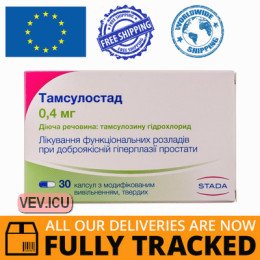
Tamsulostad 0.4mg, 30 capsules — Made in Germany — Free Delivery
IndicationsTreatment of functional disorders of the lower urinary tract in benign prostatic hyperplasia.ApplicationDoses and duration of treatment should be selected individually. The recommended dose for adults is 1 capsule per day. taken after breakfast. The capsule should be swallowed whole with ..
$85.40

3 x NUTROF TOTAL + VITAMIN D3 60 CAPS - MADE IN POLAND - FREE SHIPPING
Properties:It contains vitamins and micronutrients with antioxidant effects * and zinc which contributes to the maintenance of normal vision.Nutrof Total® contains:essential fatty acids: omega 3 (EPA and DHA)resveratrolcrystalline lutein and zeaxanthinminerals and vitaminsnovelty vitamin D3.* zinc, ..
$71.54

Lansoprol 30mg 28 capsules — Made in Turkey — Free Delivery
Pharmacological propertiesLanzoprazole inhibits the activity of the n + / k + -atphase of the proton pump in the parietal cells of the gastric mucosa. thus, lansoprazole inhibits the final stage of gastric acid formation, reduces the amount and acidity of gastric juice, as a result of which its harm..
$21.42
Buyers Online
- Customer from Brooklyn updated their account details
- Customer from Brooklyn logged in
- Customer from Strongsville logged in
- Customer from Brooklyn updated their account details
- Customer from Brooklyn placed a new order for VOLTAREN MAX GEL 180G - MADE IN SWITZERLAND - FREE SHIPPING
- Customer from Brooklyn logged in
- Customer placed a new order for DEBUTIR FORTE 60 СAPS — MADE IN POLAND- FREE SHIPPING
- Customer from Ottawa updated their account details
- Customer from Ottawa registered for an account
- Customer placed a new order for STRESAM 50MG 60 PILLS - MADE IN FRANCE - FREE SHIPPING
- Customer placed a new order for ACNE-DERM Cream 2p x 20Gr — Made in Poland by Uniapharm — Free Delivery
- Customer placed a new order for Ascorbic acid 0,05g 2p x 160 tablets — Made in Ukraine — Free Delivery
- Customer placed a new order for Fanigan 100 tablets — Made in India — Free Delivery
- Customer from Raleigh placed a new order for Essentiale Forte 300 mg, 2p x 50 capsules — Made in Poland — Free Delivery
- Customer from Raleigh logged in
- Customer placed a new order for TENOTEN FOR CHILDREN 40 PILLS — MADE IN LITHUANIA — FREE SHIPPING
- Customer from Raleigh logged in
- Customer placed a new order for Aqua Maris for Children from Birth nasal drops 10 ml — Made in Croatia — Free Deliver
- Customer from Raleigh logged in
- Customer from Raleigh placed a new order for Essentiale Forte 300 mg, 2p x 50 capsules — Made in Poland — Free Delivery