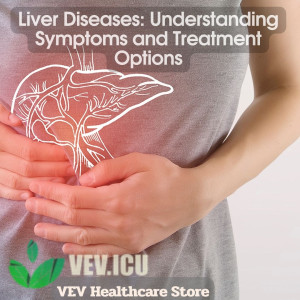
Liver Diseases: Understanding Symptoms and Treatment Options

- 17 April 2023 21:54:39
- Views: 798

Liver Diseases
The liver is a vital organ that plays a crucial role in various metabolic processes, including detoxification, digestion, and nutrient storage. However, the liver is susceptible to several diseases that can impair its function and impact overall health. In this article, we will explore the common symptoms and treatment options for liver diseases.
Symptoms of Liver Diseases:
Liver diseases can manifest with a wide range of symptoms, which can vary depending on the type and severity of the disease. Some common symptoms of liver diseases include:
Jaundice: Jaundice is a condition characterized by yellowing of the skin and eyes. It occurs when the liver is unable to process bilirubin, a waste product that is normally eliminated from the body through bile. Bilirubin accumulates in the blood, leading to jaundice.
Fatigue and Weakness: Liver diseases can cause fatigue and weakness due to decreased energy production and storage in the liver. This can result in decreased stamina, difficulty in performing physical activities, and a general feeling of tiredness.
Abdominal Pain and Swelling: Liver diseases can cause abdominal pain and swelling due to inflammation and enlargement of the liver. This can lead to discomfort, tenderness, and a feeling of fullness in the abdominal region.
Digestive Issues: Liver diseases can affect digestion due to decreased bile production and impaired nutrient absorption. This can result in symptoms such as nausea, vomiting, loss of appetite, and diarrhea.
Changes in Skin and Eyes: Apart from jaundice, liver diseases can also cause other changes in the skin and eyes, such as darkening of the skin, spider-like blood vessels on the skin (spider angiomas), and pale or white stools.
Mental and Behavioral Changes: Advanced liver diseases can affect brain function, leading to mental and behavioral changes. These can include confusion, forgetfulness, personality changes, irritability, and difficulty concentrating.
Treatment Options for Liver Diseases:
The treatment of liver diseases depends on the underlying cause, severity of the disease, and overall health of the patient. Some common treatment options for liver diseases include:
Lifestyle Changes: Lifestyle modifications can be an important part of managing liver diseases. This may include avoiding alcohol consumption, maintaining a healthy diet, regular exercise, and weight management. In some cases, certain medications or supplements may need to be avoided or adjusted to minimize liver damage.
Medications: Various medications may be prescribed to manage specific liver diseases. For example, antiviral medications may be used to treat viral hepatitis, corticosteroids or immunosuppressive drugs may be prescribed for autoimmune liver diseases, and chelating agents may be used to manage liver diseases caused by excess iron or copper accumulation.
Liver Transplantation: Liver transplantation may be recommended in cases of end-stage liver diseases or liver failure. This involves replacing the diseased liver with a healthy liver from a deceased or living donor. Liver transplantation can be a complex and costly procedure, but it can offer a chance for cure and improved quality of life for eligible patients.
Supportive Care: Supportive care measures may be implemented to manage the symptoms and complications of liver diseases. For example, diuretics may be used to reduce abdominal swelling, nutritional support may be provided to manage malnutrition, and psychological support may be offered to patients dealing with mental and behavioral changes.
Close Monitoring: Regular monitoring and follow-up are essential for managing liver diseases. This may include blood tests to assess liver function, imaging studies such as ultrasound or MRI to evaluate the liver, and other diagnostic tests to monitor the progress of the disease and adjust the treatment plan as needed.
In conclusion, liver diseases can present with a wide range of symptoms and require prompt and appropriate medical intervention. If you experience any symptoms suggestive of liver diseases, it is important to seek medical attention promptly for an accurate diagnosis and appropriate treatment. Early detection and management can significantly impact the prognosis and outcome of liver diseases.
Prevention is also a key aspect of managing liver diseases. Taking steps to maintain a healthy lifestyle, avoiding excessive alcohol consumption, practicing safe sex to prevent viral hepatitis, and managing conditions such as obesity, diabetes, and high cholesterol that can increase the risk of liver diseases, can help prevent or delay the onset of liver diseases.
In conclusion, liver diseases are a significant health concern that can affect the overall well-being and quality of life of individuals. Prompt recognition of symptoms, accurate diagnosis, and appropriate treatment are crucial for managing liver diseases effectively. If you suspect that you or someone you know may have liver disease, it is important to consult a qualified healthcare professional for proper evaluation and management. Remember, prevention, early detection, and timely treatment are key to protecting liver health and maintaining overall health and well-being.
People also asked
What are the treatments for liver disease?
The treatment for liver disease depends on the underlying cause, severity of the disease, and overall health of the patient. Some common treatment options for liver disease include:
Lifestyle Changes: Lifestyle modifications can be an important part of managing liver disease. This may include avoiding alcohol consumption, maintaining a healthy diet, regular exercise, and weight management.
Medications: Various medications may be prescribed to manage specific liver diseases. For example, antiviral medications may be used to treat viral hepatitis, corticosteroids or immunosuppressive drugs may be prescribed for autoimmune liver diseases, and chelating agents may be used to manage liver diseases caused by excess iron or copper accumulation.
Liver Transplantation: Liver transplantation may be recommended in cases of end-stage liver disease or liver failure. This involves replacing the diseased liver with a healthy liver from a deceased or living donor. Liver transplantation can be a complex and costly procedure, but it can offer a chance for cure and improved quality of life for eligible patients.
Supportive Care: Supportive care measures may be implemented to manage the symptoms and complications of liver disease. For example, diuretics may be used to reduce abdominal swelling, nutritional support may be provided to manage malnutrition, and psychological support may be offered to patients dealing with mental and behavioral changes.
Close Monitoring: Regular monitoring and follow-up are essential for managing liver disease. This may include blood tests to assess liver function, imaging studies such as ultrasound or MRI to evaluate the liver, and other diagnostic tests to monitor the progress of the disease and adjust the treatment plan as needed.
It is important to note that the specific treatment plan for liver disease will be determined by a qualified healthcare professional based on the individual's condition and needs. Prompt and appropriate medical intervention is crucial for managing liver disease effectively and improving outcomes.
What are the 5 symptoms of liver disease?
Liver disease can present with a wide range of symptoms, and the severity and type of symptoms can vary depending on the underlying cause and stage of the disease. However, some common symptoms of liver disease include:
Jaundice: Jaundice is a yellowing of the skin and eyes due to the buildup of bilirubin, a waste product that is normally processed and eliminated by the liver. Jaundice is a common symptom of liver disease and can be accompanied by dark urine, pale stools, and yellowing of other mucous membranes.
Fatigue and weakness: Liver disease can cause generalized fatigue and weakness, which may be due to decreased liver function and impaired metabolism of nutrients in the body.
Abdominal pain and swelling: Pain or discomfort in the upper right abdomen, where the liver is located, can be a symptom of liver disease. Swelling or bloating of the abdomen, known as ascites, can also occur in advanced liver disease.
Digestive symptoms: Liver disease can affect the digestive system, leading to symptoms such as nausea, vomiting, loss of appetite, and changes in bowel movements, including diarrhea or constipation.
Skin and blood vessel changes: Liver disease can cause changes in the skin and blood vessels, such as spider-like blood vessels on the skin (spider angiomas), reddish palms (palmar erythema), and easy bruising or bleeding due to decreased production of blood clotting factors by the liver.
It's important to note that liver disease can sometimes be asymptomatic or may present with vague symptoms, especially in the early stages. Therefore, it is crucial to consult a qualified healthcare professional for accurate diagnosis and appropriate management if you suspect liver disease based on any of these symptoms or other concerning signs. Early detection and intervention can significantly impact the prognosis and outcome of liver disease.
How do you manage liver disease symptoms?
Managing liver disease symptoms depends on the underlying cause of the disease, the severity of the symptoms, and the overall health of the patient. Here are some general approaches to managing liver disease symptoms:
Medical Treatment: The specific medical treatment for liver disease symptoms will depend on the underlying cause of the disease. For example, antiviral medications may be prescribed for viral hepatitis, corticosteroids or immunosuppressive drugs may be used for autoimmune liver diseases, and medications to manage complications such as diuretics for ascites or lactulose for hepatic encephalopathy may be prescribed.
Lifestyle Changes: Making lifestyle changes can be an important part of managing liver disease symptoms. This may include avoiding alcohol consumption or reducing alcohol intake, maintaining a healthy diet that is low in sodium and high in nutrients, engaging in regular exercise, and managing any underlying conditions such as obesity, diabetes, or high cholesterol that may worsen liver disease.
Nutritional Support: Proper nutrition is essential for managing liver disease symptoms. A dietitian or healthcare professional may provide guidance on a well-balanced diet that meets the specific needs of the liver disease patient, including adequate protein intake, avoiding certain foods that may be taxing on the liver, and managing any nutritional deficiencies.
Monitoring and Follow-up: Regular monitoring and follow-up with a healthcare professional are crucial for managing liver disease symptoms. This may include regular blood tests to assess liver function, imaging studies to evaluate the liver, and other diagnostic tests to monitor the progress of the disease and adjust the treatment plan as needed.
Supportive Care: Supportive care measures may be implemented to manage the symptoms and complications of liver disease. For example, managing ascites through dietary sodium restriction and diuretics, managing hepatic encephalopathy with medications and dietary modifications, and providing psychological support to patients and their families dealing with the emotional impact of liver disease.
It's important to note that the management of liver disease symptoms should be tailored to the individual patient's condition and needs, and should be carried out under the guidance of a qualified healthcare professional. Early detection, proper medical intervention, and lifestyle changes can play a crucial role in managing liver disease symptoms effectively and improving outcomes.
What are the four types of liver disease?
There are numerous types of liver diseases, each with its unique characteristics, causes, and treatment approaches. However, here are four common types of liver diseases:
Hepatitis: Hepatitis refers to inflammation of the liver, and it can be caused by viral infections (such as hepatitis A, B, C, D, or E), autoimmune conditions, alcohol or drug abuse, or other factors. Hepatitis can range from mild to severe and may result in liver damage or cirrhosis if left untreated.
Non-alcoholic Fatty Liver Disease (NAFLD): NAFLD is a condition in which excess fat accumulates in the liver, not caused by alcohol consumption. It is often associated with obesity, diabetes, high cholesterol, and metabolic syndrome. NAFLD can range from simple fatty liver (steatosis) to non-alcoholic steatohepatitis (NASH), which is a more severe form of liver inflammation that can progress to cirrhosis.
Alcoholic Liver Disease: Alcoholic liver disease is caused by excessive and prolonged alcohol consumption, leading to liver inflammation, scarring (cirrhosis), and liver damage. It can manifest as fatty liver, alcoholic hepatitis, or cirrhosis, depending on the duration and amount of alcohol consumption.
Cirrhosis: Cirrhosis is not a disease itself but a condition in which the liver becomes severely scarred and loses its normal function due to long-term damage from various causes, such as viral hepatitis, alcohol abuse, autoimmune conditions, or other factors. Cirrhosis is a progressive condition that can lead to liver failure, portal hypertension, and other complications.
It's important to note that these are just a few examples of liver diseases, and there are many other types of liver diseases, including genetic liver diseases, liver cancer, drug-induced liver injury, and more. Each type of liver disease has its unique causes, symptoms, and treatment options, and a proper diagnosis and management plan should be established by a qualified healthcare professional based on the individual patient's condition.
What are basic liver diseases?
There are several basic liver diseases that can affect the liver, ranging from acute conditions to chronic diseases. Here are some examples:
Viral Hepatitis: Viral hepatitis is caused by viral infections that result in inflammation of the liver. There are different types of viral hepatitis, including hepatitis A, B, C, D, and E. These viral infections can range from mild to severe and can cause acute or chronic liver disease, leading to long-term liver damage if left untreated.
Non-alcoholic Fatty Liver Disease (NAFLD): NAFLD is a condition in which excess fat accumulates in the liver, not caused by alcohol consumption. It is commonly associated with obesity, diabetes, high cholesterol, and metabolic syndrome. NAFLD can range from simple fatty liver (steatosis) to non-alcoholic steatohepatitis (NASH), which is a more severe form of liver inflammation that can progress to cirrhosis.
Alcoholic Liver Disease: Alcoholic liver disease is caused by excessive and prolonged alcohol consumption, leading to liver inflammation, scarring (cirrhosis), and liver damage. It can manifest as fatty liver, alcoholic hepatitis, or cirrhosis, depending on the duration and amount of alcohol consumption.
Autoimmune Hepatitis: Autoimmune hepatitis is a chronic inflammatory liver disease in which the immune system mistakenly attacks the liver cells, resulting in inflammation and damage to the liver. This condition can lead to chronic liver disease if not managed properly.
Hemochromatosis: Hemochromatosis is a genetic disorder that causes the body to absorb and store excess iron, leading to iron accumulation in the liver and other organs. Over time, this can result in liver damage and cirrhosis.
Wilson's Disease: Wilson's disease is a rare genetic disorder that causes copper to accumulate in the liver and other organs, leading to liver damage and other complications.
Primary Biliary Cholangitis (PBC): PBC is a chronic autoimmune liver disease that causes inflammation and damage to the small bile ducts in the liver, leading to progressive liver damage and cirrhosis.
These are just a few examples of basic liver diseases. It's important to note that liver diseases can have various causes, ranging from viral infections, alcohol consumption, genetic factors, autoimmune conditions, metabolic disorders, and more. Proper diagnosis and management should be done by a qualified healthcare professional based on the individual patient's condition to determine the appropriate treatment approach.
Why are the symptoms of liver disease?
Liver disease can present with a wide range of symptoms, which can vary depending on the type and severity of the liver disease. Here are some common symptoms of liver disease:
Fatigue: Feeling excessively tired or weak even with adequate rest can be a common symptom of liver disease. As the liver's ability to detoxify and process toxins is compromised, it can lead to increased fatigue and decreased energy levels.
Jaundice: Jaundice is a condition characterized by yellowing of the skin and eyes. It occurs when the liver is unable to process bilirubin, a waste product that is normally filtered out by the liver. Bilirubin levels can build up in the blood and result in jaundice.
Abdominal pain and swelling: Liver disease can cause abdominal pain and swelling due to inflammation or enlargement of the liver. This can result in discomfort or pain in the upper right abdomen.
Nausea and vomiting: Liver disease can lead to digestive issues such as nausea and vomiting. This can be due to the liver's reduced ability to produce bile, which helps in digesting fats.
Changes in stool and urine: Liver disease can result in changes in the color and consistency of stool and urine. Stool may become pale or clay-colored, while urine may become dark-colored or brownish.
Loss of appetite and weight loss: Liver disease can cause a decrease in appetite and unintended weight loss. This can be due to the liver's reduced ability to process nutrients and metabolize fats.
Swelling in the legs and ankles: Liver disease can lead to fluid retention in the body, causing swelling in the legs and ankles, also known as edema.
Mental confusion or cognitive changes: In advanced stages of liver disease, a condition known as hepatic encephalopathy can occur, leading to mental confusion, changes in behavior, and difficulty concentrating.
Spider-like blood vessels: Spider-like blood vessels, also known as spider angiomas or spider nevi, can be a visible sign of liver disease. These are small, dilated blood vessels that appear close to the skin's surface and have a characteristic appearance.
It's important to note that liver disease can vary widely in its presentation and severity, and not all individuals with liver disease may experience all of these symptoms. Some liver diseases may also be asymptomatic in their early stages. If you suspect you may have liver disease or are experiencing any of these symptoms, it's important to consult a qualified healthcare professional for proper evaluation, diagnosis, and management.
What is the best treatment for liver failure?
The treatment for liver failure depends on the underlying cause and severity of the condition. In some cases, liver failure may be reversible with proper medical management, while in other cases, a liver transplant may be necessary. Here are some common treatment approaches for liver failure:
Supportive care: Supportive care is an important aspect of managing liver failure. This may include close monitoring of vital signs, managing complications such as fluid and electrolyte imbalances, and addressing any associated infections.
Medications: Medications may be used to manage specific underlying causes of liver failure, such as antiviral medications for viral hepatitis, corticosteroids or other immunosuppressive drugs for autoimmune liver diseases, or medications to manage symptoms and complications.
Nutritional support: Maintaining adequate nutrition is crucial in managing liver failure. A dietitian may work with the healthcare team to develop a nutrition plan that meets the specific needs of the patient and helps to support liver function.
Management of complications: Liver failure can be associated with various complications, such as ascites (accumulation of fluid in the abdomen), hepatic encephalopathy (mental confusion), and bleeding disorders. Management of these complications may involve medications, procedures, or other interventions to address the specific issue.
Liver transplant: In cases where liver failure is severe and irreversible, a liver transplant may be considered. A liver transplant involves replacing the diseased liver with a healthy liver from a deceased or living donor. Liver transplantation can be a complex procedure and requires careful evaluation and selection of candidates based on specific criteria.
It's important to note that the treatment approach for liver failure should be determined by a qualified healthcare professional based on the individual patient's condition and underlying cause of liver failure. Prompt and appropriate medical care is essential in managing liver failure to improve outcomes and prevent further complications.
What is the best treatment for chronic liver disease?
The treatment for chronic liver disease depends on the underlying cause and stage of the disease. The goal of treatment is typically to slow down the progression of liver damage, manage complications, and improve the patient's quality of life. Here are some common treatment approaches for chronic liver disease:
Lifestyle changes: Lifestyle changes can play a crucial role in managing chronic liver disease. This may include abstaining from alcohol if alcohol-related liver disease is the cause, adopting a healthy diet, maintaining a healthy weight, and avoiding exposure to liver-toxic substances.
Medications: Medications may be used to manage specific underlying causes of chronic liver disease, such as antiviral medications for viral hepatitis, immunosuppressive drugs for autoimmune liver diseases, or medications to manage symptoms and complications such as portal hypertension, ascites, or hepatic encephalopathy.
Nutritional support: Maintaining adequate nutrition is important in managing chronic liver disease. A dietitian may work with the healthcare team to develop a nutrition plan that meets the specific needs of the patient and helps to support liver function.
Management of complications: Chronic liver disease can be associated with various complications, such as portal hypertension, ascites, variceal bleeding, hepatic encephalopathy, and others. Management of these complications may involve medications, procedures, or other interventions to address the specific issue.
Regular monitoring and follow-up: Regular monitoring of liver function, imaging studies, and other relevant tests are important in managing chronic liver disease. This allows healthcare providers to assess the progression of the disease, adjust treatment as needed, and manage complications in a timely manner.
Lifestyle modifications: In some cases, lifestyle modifications such as weight loss, exercise, and managing other health conditions like diabetes and high blood pressure may be recommended to manage chronic liver disease and reduce the risk of further liver damage.
Liver transplantation: In advanced stages of chronic liver disease, liver transplantation may be considered as a treatment option. Liver transplantation involves replacing the diseased liver with a healthy liver from a deceased or living donor. It can be a complex procedure and requires careful evaluation and selection of candidates based on specific criteria.
The best treatment for chronic liver disease depends on the underlying cause, severity of liver damage, and individual patient factors. It is important to work closely with a qualified healthcare professional to develop a personalized treatment plan that addresses the specific needs and condition of the patient. Regular monitoring and management of chronic liver disease is essential to prevent further complications and improve outcomes.
What is Stage 3 liver disease?
Stage 3 liver disease is typically used to describe moderate to severe liver damage or fibrosis. Liver fibrosis is a process where healthy liver tissue is replaced by scar tissue due to ongoing inflammation and injury to the liver. Stage 3 liver disease is often considered an intermediate stage between mild liver damage (Stage 1) and cirrhosis (Stage 4), which is the most advanced stage of liver disease.
Stage 3 liver disease is characterized by significant scarring or fibrosis of the liver, which can impair liver function and may lead to complications. The severity of fibrosis is typically assessed using a scoring system known as the METAVIR or Ishak scoring system, which ranges from F0 (no fibrosis) to F4 (cirrhosis).
Symptoms of stage 3 liver disease may vary depending on the underlying cause and individual patient factors. However, common symptoms may include fatigue, jaundice (yellowing of the skin and eyes), abdominal swelling, ascites (accumulation of fluid in the abdomen), easy bruising or bleeding, and altered mental function (hepatic encephalopathy).
Treatment for stage 3 liver disease typically focuses on addressing the underlying cause, managing complications, and preventing further liver damage. This may include lifestyle changes such as abstaining from alcohol (if alcohol-related liver disease is the cause), adopting a healthy diet, maintaining a healthy weight, and avoiding exposure to liver-toxic substances. Medications may be used to manage specific underlying causes, manage symptoms and complications, and regular monitoring of liver function and imaging studies to assess disease progression.
It's important to work closely with a qualified healthcare professional to develop a personalized treatment plan for stage 3 liver disease based on the underlying cause, severity of liver damage, and individual patient factors. Early diagnosis, prompt medical management, and lifestyle modifications can help slow down the progression of liver disease and improve outcomes.
What is the most common liver disease?
The most common liver disease worldwide is non-alcoholic fatty liver disease (NAFLD). NAFLD is a condition where excess fat accumulates in the liver cells, leading to inflammation and potential liver damage. NAFLD is often associated with obesity, diabetes, high cholesterol, and metabolic syndrome, which are common risk factors for the condition.
NAFLD is estimated to affect about 25% of the global population, making it the most prevalent liver disease. It can range in severity from simple fatty liver (steatosis), where only excess fat accumulates in the liver cells, to non-alcoholic steatohepatitis (NASH), where inflammation and liver cell damage are present.
The exact cause of NAFLD is not fully understood, but it is believed to involve a combination of genetic, metabolic, and lifestyle factors. Risk factors for NAFLD include obesity, insulin resistance, type 2 diabetes, high blood pressure, high cholesterol levels, rapid weight loss, and a sedentary lifestyle.
NAFLD is typically asymptomatic in its early stages, and many people may not realize they have it until it progresses to more advanced stages or causes complications. Common symptoms of NAFLD may include fatigue, abdominal discomfort, and mild jaundice (yellowing of the skin and eyes) in some cases.
Treatment for NAFLD typically involves lifestyle changes, including weight loss, regular exercise, and a healthy diet to reduce the accumulation of fat in the liver. Managing underlying risk factors such as diabetes, high blood pressure, and high cholesterol levels is also important. In more severe cases, medications and management of associated complications may be necessary.
Early detection, lifestyle modifications, and regular monitoring of liver function can help prevent the progression of NAFLD to more advanced liver disease and improve outcomes. It's important to consult with a healthcare professional for appropriate diagnosis, treatment, and management of NAFLD or any liver disease.
What are the 5 functions of the liver?
The liver is a vital organ in the human body and performs numerous functions that are essential for overall health and wellbeing. The five main functions of the liver are:
Metabolism: The liver plays a crucial role in metabolism, which involves processing and regulating nutrients, including carbohydrates, proteins, and fats. It stores and releases glucose as needed, helps convert excess glucose into glycogen for storage, and helps break down fats to produce energy.
Detoxification: The liver acts as a detoxifying organ, filtering and removing harmful substances from the body. It detoxifies drugs, alcohol, and other toxic substances, converting them into less harmful forms that can be eliminated through bile or urine.
Protein synthesis: The liver produces many important proteins that are necessary for various functions in the body. It synthesizes proteins involved in blood clotting, immune function, and transport of substances in the blood, such as albumin and clotting factors.
Bile production: The liver produces bile, which is necessary for digestion and absorption of fats. Bile is stored in the gallbladder and released into the small intestine to aid in the digestion of dietary fats.
Storage: The liver acts as a storage organ, storing important nutrients such as glycogen, vitamins, and minerals. It also stores excess iron and helps regulate iron levels in the body.
These are just a few of the many important functions of the liver. The liver is a complex organ that plays a crucial role in maintaining overall health and wellbeing. Any dysfunction or damage to the liver can have serious consequences on various body functions and overall health. It's important to maintain a healthy lifestyle and seek appropriate medical care to support liver health and function.
Buyers Online
- Customer from Brooklyn updated their account details
- Customer from Brooklyn logged in
- Customer from Strongsville logged in
- Customer from Brooklyn updated their account details
- Customer from Brooklyn placed a new order for VOLTAREN MAX GEL 180G - MADE IN SWITZERLAND - FREE SHIPPING
- Customer from Brooklyn logged in
- Customer placed a new order for DEBUTIR FORTE 60 СAPS — MADE IN POLAND- FREE SHIPPING
- Customer from Ottawa updated their account details
- Customer from Ottawa registered for an account
- Customer placed a new order for STRESAM 50MG 60 PILLS - MADE IN FRANCE - FREE SHIPPING
- Customer placed a new order for ACNE-DERM Cream 2p x 20Gr — Made in Poland by Uniapharm — Free Delivery
- Customer placed a new order for Ascorbic acid 0,05g 2p x 160 tablets — Made in Ukraine — Free Delivery
- Customer placed a new order for Fanigan 100 tablets — Made in India — Free Delivery
- Customer from Raleigh placed a new order for Essentiale Forte 300 mg, 2p x 50 capsules — Made in Poland — Free Delivery
- Customer from Raleigh logged in
- Customer placed a new order for TENOTEN FOR CHILDREN 40 PILLS — MADE IN LITHUANIA — FREE SHIPPING
- Customer from Raleigh logged in
- Customer placed a new order for Aqua Maris for Children from Birth nasal drops 10 ml — Made in Croatia — Free Deliver
- Customer from Raleigh logged in
- Customer from Raleigh placed a new order for Essentiale Forte 300 mg, 2p x 50 capsules — Made in Poland — Free Delivery
Latest









Bestsellers