Seborrheic Keratosis: Symptoms, Causes, Treatments, Diagnosis

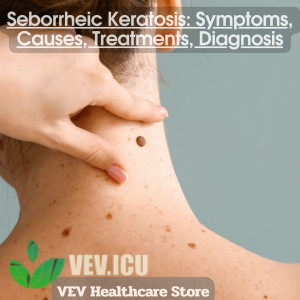
- 23 June 2023 14:51:05
- Views: 1403

Seborrheic Keratosis: Symptoms, Causes, Treatments, Diagnosis
Seborrheic keratosis is a common type of skin lesion that is often confused with other skin diseases,
including melanoma. This benign skin growth is typically found on individuals over the age of 50 and
appears as a flat or slightly raised, waxy, brown, black, or yellow lesion. While seborrheic keratosis
can develop anywhere on the body, it often appears on the face, chest, back, or neck. The cause of
seborrheic keratosis is still largely unknown, but it is thought that genetics, sunlight exposure, and age are
contributing factors. There are several treatment options for seborrheic keratosis, including cryotherapy,
electrosurgery, laser therapy, or surgical removal. Proper diagnosis is important, and individuals who
observe a lesion that exhibits changes should consult with a dermatologist.
A. Definition of Seborrheic Keratosis
Seborrheic Keratosis (SK) is a noncancerous, benign skin growth that affects middle-aged or older
individuals. These growths typically occur in areas of the body where the skin is exposed to the sun, such
as the chest, face, back, and shoulders. SK appears as elevated bumps or wart-like lesions with a rough,
scaly texture that can be pink, tan, brown, or black in color. They tend to have a waxy or greasy appearance
and are often mistaken for moles or skin tags. While the precise cause of SK is not fully understood, it
is believed to result from a buildup of skin cells known as keratinocytes. Unlike other skin growths, SK
does not usually progress to skin cancer and is generally harmless. Nevertheless, its presence can cause
cosmetic concern, and some growths may be painful or itchy.
B. Importance of studying Seborrheic Keratosis
Studying Seborrheic Keratosis is important for several reasons. Firstly, by understanding the causes of
this skin condition, we can identify potential risk factors and preventative measures. This knowledge is
particularly useful for individuals who may be genetically predisposed to Seborrheic Keratosis or have a
history of prolonged sun exposure. Secondly, understanding the symptoms and diagnostic methods can
help individuals identify Seborrheic Keratosis early on, allowing for prompt treatment and management.
Failure to identify Seborrheic Keratosis in its early stages can lead to complications such as secondary
bacterial infections or permanent scarring. Thirdly, investigating the different treatment options available
for Seborrheic Keratosis can improve patient outcomes, reducing the need for invasive or costly procedures.
In conclusion, studying Seborrheic Keratosis is essential in promoting optimal skin health and
improving quality of life.
One of the most common treatments for seborrheic keratosis is cryotherapy, which involves freezing
the keratosis with liquid nitrogen. This treatment is relatively quick and has minimal scarring, making
it a popular option for patients. Another treatment option is electrosurgery, which involves the use of
electricity to burn off the keratosis. This method is also effective, but may leave behind a small scar.
Topical medications such as Retin-A or alpha hydroxy acids can be used to manage the symptoms and
appearance of seborrheic keratosis, but they are not effective at removing the growths. It is important
to note that while these treatments can be effective, they do not prevent new growths from occurring
elsewhere on the body, and regular screenings with a dermatologist are recommended to monitor for any
changes or new growths.
II. Symptoms of Seborrheic Keratosis
The symptoms of seborrheic keratosis can vary greatly from person to person. These skin growths can
appear on any part of the body, but are most commonly found on the face, chest, shoulders, and back.
They typically appear as raised, waxy, or scaly growths that can range in color from light tan to black. In
some cases, seborrheic keratosis may be itchy or irritated, particularly if they are located in areas prone to
friction or rubbing, such as under the bra line. While most seborrheic keratosis growths are benign and do
not cause any serious medical problems, it is important to see a dermatologist to rule out the possibility
of skin cancer, as some types of melanoma can resemble seborrheic keratosis. Additionally, some people
may choose to have seborrheic keratosis removed for cosmetic reasons, particularly if they are located in
highly visible areas.
A. Appearance of Seborrheic Keratosis
The appearance of seborrheic keratosis is typically characterized by the presence of raised growths on the
skin that have a warty or scaly texture. These growths are often brown or black in color and can range
in size from a few millimeters to several centimeters in diameter. They may appear singly or in clusters,
and can be located anywhere on the body, including the face, chest, back, and extremities. The surface
of seborrheic keratoses may also be rough and thick, and may have a surface that is greasy or oily to
the touch. While seborrheic keratoses are generally benign and not medically concerning, they can be
unsightly and may require treatment to improve their appearance. In some cases, these growths may be
confused with other skin conditions, such as melanoma, and it is always recommended that individuals
seek the opinion of a dermatologist for an accurate diagnosis.
B. Types of Lesions
There are three main types of seborrheic keratosis lesions, which vary in appearance and size. The first
type is the raised type, which often appears as a small, dark bump on the skin. These lesions can range
in size from a few millimeters to several centimeters in diameter and are typically smooth to the touch.
The second type is the flat type, which appears as a small patch of discolored skin. These lesions can also
vary in size and can range in color from light brown to dark black. The third type is the pedunculated
type, which appears as a bump attached to the skin by a stem-like structure. These lesions are typically
darker than the surrounding skin and can range in size from a few millimeters to several centimeters in
diameter. It is important to note that seborrheic keratosis lesions are usually harmless, but if they change
in appearance or become painful, it is important to consult a dermatologist for further evaluation.
C. Itching and Irritation
Another characteristic symptom of seborrheic keratosis is itching and irritation. This usually occurs in
the areas where the skin growths are most concentrated, such as the back, face, chest, neck, and scalp.
The itching and irritation can be mild or severe, and may persist for an extended period of time. While
the exact cause of this symptom is not fully understood, it is believed to be related to the way in which
the growths interact with the surrounding skin cells and tissues. In some cases, scratching or rubbing the
affected areas can further exacerbate the itching and irritation, leading to secondary infections or skin
damage. To alleviate these symptoms, doctors may recommend using topical creams or lotions, or taking
oral medications to help control inflammation and irritation. Patients should avoid scratching or rubbing
the affected areas, as this can worsen the condition and delay the healing process.
Overall, it is important to be aware of seborrheic keratosis and its symptoms, causes, treatments, and
diagnosis. Although seborrheic keratosis does not pose a serious health risk, it can still be concerning
in terms of appearance and potential confusion with other serious skin conditions. Those with a family
history of seborrheic keratosis may be at an increased risk of developing the condition and should monitor
their skin accordingly. While there is no guaranteed way to prevent seborrheic keratosis from developing,
individuals can minimize their risk by reducing exposure to UV light and maintaining a healthy diet and
lifestyle. Additionally, seeking medical attention if any unusual or new growths appear on the skin is
crucial for diagnosing and treating seborrheic keratosis or any other potential skin conditions.
III. Causes of Seborrheic Keratosis
There are several causes of Seborrheic Keratosis, but the exact reason for its development is yet to
be understood. One of the popular theories is that it may occur due to a genetic predisposition to the
overgrowth of skin cells. Some studies suggest that it may also be a reaction to a weakening of the immune
system. In addition, people who have had prolonged sun exposure are at a higher risk of developing
Seborrheic Keratosis. The growths are more frequently seen in older adults, and it is believed that age
can contribute to the development of the condition. Finally, some hormonal imbalances may have a role
in the onset of Seborrheic Keratosis. It is clear that more research must be done to fully understand the
causes of this common skin condition.
A. Age
The risk of developing seborrheic keratosis seems to increase with age, with the majority of cases
diagnosed in individuals over the age of 50. Researchers believe that the reason for this is due to a
combination of genetics, environmental factors, and the aging process. Older skin loses its elasticity and
becomes thinner and drier, making it more susceptible to damage from the sun and other environmental
factors. Furthermore, the accumulation of DNA damage over time can lead to changes in cellular growth
and proliferation, which can increase the likelihood of developing seborrheic keratosis. Additionally,
changes in hormone levels may also play a role in the development of this condition in older individuals.
While seborrheic keratosis is typically harmless and benign, it is important for individuals to monitor any
changes in their skin and seek medical attention if they notice any new or unusual growths or lesions.
B. Genetics
plays a significant role in the development of seborrheic keratosis. Studies have shown that certain
individuals may have a genetic predisposition for developing this condition. For instance, a study
conducted on twins revealed that genetics account for approximately 57 percent of the variation in
seborrheic keratosis development. Additionally, individuals with a family history of the condition are
also at a higher risk of developing it themselves. Inherited mutations in the FGFR3 gene have also been
linked to the development of seborrheic keratosis. This gene is responsible for producing a protein that
regulates cell division and differentiation. Mutations in the gene can cause an overgrowth of cells, leading
to the formation of seborrheic keratosis. Therefore, understanding the genetic basis of this condition can
be essential in developing more effective treatments and preventative measures.
C. Hormonal changes
Another possible cause of seborrheic keratosis is hormonal changes. Although the exact mechanism is not
fully understood, it is believed that fluctuations in hormone levels, particularly estrogen and progesterone,
can lead to the development of these lesions. This theory is supported by the fact that seborrheic keratosis
is more common among women, especially those who are pregnant or postmenopausal. Additionally,
seborrheic keratosis tends to occur more frequently in areas of the body that are rich in sebaceous glands,
which are also influenced by hormone levels. Some studies have also suggested a link between seborrheic
keratosis and thyroid hormone imbalances, although more research is needed to confirm this connection.
Overall, while hormonal changes may contribute to the development of seborrheic keratosis, they are only
one of several possible factors and should be evaluated in conjunction with other potential causes.
In conclusion, seborrheic keratosis is a common benign skin growth that typically affects individuals over
the age of 50. While these growths are generally not harmful, they can cause concern and embarrassment
for those who develop them. It is important to understand the symptoms, causes, treatments, and diagnosis
of seborrheic keratosis in order to manage this condition effectively. While there is no way to prevent
the growths from occurring, it is possible to keep them under control through regular skin checks and,
if necessary, medical intervention. Furthermore, it is important to distinguish seborrheic keratosis from
other more serious skin conditions, so that any potentially harmful growths can be identified and treated in
a timely manner. With careful monitoring and management, individuals who develop seborrheic keratosis
can maintain healthy and attractive skin for years to come.
IV. Diagnosis of Seborrheic Keratosis
The diagnosis of seborrheic keratosis can typically be made by a physical examination of the affected
area of skin. In some cases, a biopsy may be performed to confirm the diagnosis and rule out other skin
conditions. During a physical examination, a healthcare provider will typically look for the characteristic
features of seborrheic keratosis, such as waxy, raised, and often pigmented growths on the skin. In some
cases, a dermatoscope may be used to examine the growth more closely and help distinguish seborrheic
keratosis from other types of skin growths. If a biopsy is performed, a small sample of the growth will be
removed and sent to a laboratory for analysis. A pathologist will examine the sample under a microscope
to confirm the diagnosis and check for any signs of cancerous growth.
A. Visual inspection
A visual inspection is the first step in diagnosing seborrheic keratosis. The dermatologist will examine the
affected area to check for the telltale signs of this condition, such as a waxy, raised, and scaly lesion. They
will also check the size, shape, and color of the growth, as seborrheic keratosis can vary in appearance and
may resemble other skin conditions. Close examination is required to distinguish it from other conditions,
such as skin cancer. The dermatologist may also use a dermatoscope, a handheld microscope, to examine
the affected area more closely. It is essential to provide the dermatologist with a thorough history of the
lesion and any changes in its appearance. A visual inspection is necessary to determine if the growth is
seborrheic keratosis or another skin condition requiring different treatment approaches.
B. Biopsy
The most definitive way to diagnose seborrheic keratosis is through a biopsy. During a biopsy, a sample
tissue is removed from the affected area and examined under a microscope. This allows the physician to
confirm that the growth is indeed seborrheic keratosis and rule out any other, more serious conditions
that may present with similar symptoms. A biopsy is a relatively quick and simple procedure that can
usually be performed in the physician's office. Local anesthesia is used to numb the affected area, and a
small sample of tissue is removed using a sharp blade or needle. The procedure itself involves minimal
discomfort and can provide valuable insight into the nature of the growth. In some cases, a biopsy may
also be recommended to monitor the growth over time, especially if it changes in appearance or becomes
bothersome to the patient.
C. Dermoscopy
has proven to be an excellent tool for diagnosing seborrheic keratosis. Dermoscopy involves the use of
a handheld device that magnifies the skin's surface and enables the physician to examine the lesion more
closely. The physician is looking for specific features that suggest a seborrheic keratosis diagnosis, such as
a moth-eaten border, a horn-like projection, or white fingerprint-like lines on the surface. The dermoscope
also helps the physician differentiate seborrheic keratosis from other skin conditions that may mimic a
similar appearance, such as melanoma. The use of dermoscopy has significantly improved the accuracy
of diagnosing seborrheic keratosis, reducing the need for unnecessary biopsies. It is also a non-invasive
and painless method of diagnosing the condition, making it more accessible and appealing to patients.
One of the most common treatments for seborrheic keratosis is cryotherapy, also known as freezing.
This involves using liquid nitrogen to freeze the affected skin cells, causing them to die off and fall
away. Another treatment option is curettage, which involves scraping away the affected cells with a sharp
instrument. This is usually done after the skin has been numbed with a local anesthetic. Electrosurgery,
which involves using an electric current to remove the affected skin cells, is another treatment option. In
some cases, laser therapy may also be used to remove seborrheic keratoses. Treatment options may vary
depending on the size, location, and number of growths, as well as the individual patient's preference and
medical history. It is important to consult with a dermatologist or healthcare provider to determine the
most appropriate treatment plan for individual cases of seborrheic keratosis.
V. Treatments for Seborrheic Keratosis
V. Treatments for seborrheic keratosis aim to remove the lesions, improve skin appearance, and prevent
complications. There are various medical and non-medical interventions for this condition. Cryotherapy,
electrocautery, and curettage are some of the medical treatments that involve the destruction or removal of
the affected tissue using extreme temperatures or surgical excision. Chemical peels and laser therapy are
other medical options that are often used to improve the appearance of lesions. Non-medical treatments
such as apple cider vinegar and tea tree oil have also been suggested as possible home remedies for
this condition. While these treatments may prove effective, it is still important to consult a healthcare
professional to ensure that the treatment is safe and effective. Driving improvements in patient satisfaction,
reducing the risk of complications, and establishing a treatment plan that adequately addresses individual
needs and concerns should be the primary goals of seborrheic keratosis treatment.
A. Cryotherapy
Another treatment option for seborrheic keratosis is cryotherapy. Cryotherapy, also known as freezing
therapy, involves the use of liquid nitrogen to freeze off the affected skin cells. This causes the epidermis,
or top layer of skin, to blister and peel off, revealing new, healthy skin underneath. Cryotherapy is a quick
and relatively painless procedure, with patients typically experiencing only mild discomfort and redness at
the treatment site. However, cryotherapy may not be suitable for all patients, especially those with darker
skin tones, as it can cause hyperpigmentation or hypopigmentation. Additionally, cryotherapy may not
be effective for larger or thicker seborrheic keratoses, as it may only remove the top layer of cells rather
than the entire growth. As with any medical procedure, it is important to discuss the potential risks and
benefits of cryotherapy with your healthcare provider.
B. Electrosurgery
involves the use of a high-frequency electric current to cut or burn off the affected area. While this
technique is generally effective in removing Seborrheic Keratosis, it may leave scars. Electrosurgery
is often used to remove larger lesions and is typically performed under local anesthesia. Patients may
experience some discomfort during the procedure, but it is generally well-tolerated. Possible side effects
include swelling, redness, and burning of the skin, although these are temporary and will subside in a few
days. After electrosurgery, patients will need to keep the treated area clean and dry to avoid infection. It is
also important to avoid activities that may irritate the skin, such as exposure to direct sunlight, hot water,
or abrasive clothing. Follow-up appointments will be necessary to ensure that the lesion has been fully
removed and to monitor any signs of recurrence.
C. Laser therapy
is another treatment option for seborrheic keratosis, but it is typically used for smaller lesions or those
in hard-to-reach areas such as the face or scalp. Laser therapy involves using a high-energy beam of light
to heat and destroy the affected tissue. There are several different types of lasers that can be used for this
purpose, including carbon dioxide, erbium, and pulsed dye lasers. The type of laser used will depend on
the size and location of the lesion, as well as the patient's skin type and other factors. Laser therapy is
generally safe and well-tolerated, with few side effects. However, it can be expensive and may require
multiple treatment sessions for optimal results. In addition, there is a risk of scarring or pigmentation
changes, particularly on darker skin types. As with any medical procedure, it is important to discuss the
potential risks and benefits of laser therapy with a qualified healthcare provider before proceeding.
In terms of treatment, seborrheic keratoses are generally not a serious condition and most people choose to
leave them untreated. However, people may request treatment if they are unsightly or cause discomfort.
The most common treatment options include cryotherapy, curettage, electrosurgery, and laser therapy.
Cryotherapy involves freezing the growth with liquid nitrogen, while curettage involves scraping the
growth off the skin surface. Electrosurgery and laser therapy both utilize heat to destroy the growth. Home
remedies such as apple cider vinegar, tea tree oil, and hydrogen peroxide are sometimes used, however,
their effectiveness is not scientifically proven. It is important to note that all treatment types should be
performed by a trained healthcare professional to avoid complications. Overall, while seborrheic keratoses
may be a cause of concern for some people, they are not a serious medical condition and can be managed
effectively with appropriate medical guidance.
VI. Prevention of Seborrheic Keratosis
While there is no known way to prevent seborrheic keratosis, taking care of the skin can reduce the risk
of developing the condition. Regular and gentle cleansing of the skin can help remove dead skin cells
and prevent the buildup of oil and dirt, which can contribute to the development of seborrheic keratosis.
Additionally, using sunscreen with a high SPF can protect the skin from the harmful effects of the sun,
which can also trigger the development of these benign growths. As seborrheic keratosis is more common
in older individuals, it is important to maintain a healthy lifestyle and diet to reduce the risk of age-related
health issues, which can include skin conditions. Overall, prevention of seborrheic keratosis is largely
focused on maintaining good skin hygiene and minimizing exposure to environmental factors that can
contribute to skin damage and aging.
A. Sun protection
When it comes to seborrheic keratosis, prevention is key. One way to prevent the development of these
lesions is to protect your skin from the sun's harmful rays. Sun protection is important not only to
prevent seborrheic keratosis but also to reduce your risk of skin cancer. You can protect your skin by
using a broad-spectrum sunscreen with an SPF of at least 30, avoiding the sun during peak hours,
wearing protective clothing, and seeking shade when possible. Sunscreen should be applied generously
and reapplied every two hours or after swimming or sweating. By taking steps to protect your skin from
the sun, you can help reduce your risk of developing seborrheic keratosis and other skin conditions.
B. Adhering to a healthy diet
Adhering to a healthy diet is essential for a variety of reasons as it provides the necessary nutrients for the
body to function. A healthy diet also contributes to the reduction of the risk of developing various health
complications such as cancer, heart diseases, and diabetes, among others. A healthy diet, in this regard,
focuses on consuming meals that are rich in nutrients such as fruits, vegetables, whole grains, and lean
protein. Also, reducing the intake of processed foods, sugar, and unhealthy fats can prevent inflammation
in the body that could fuel the growth of seborrheic keratosis. Maintaining a healthy weight through a
balanced diet is also a great way to ensure overall body health. Therefore, adhering to a healthy diet is a
crucial aspect of preventing the growth of seborrheic keratosis and overall health maintenance.
C. Limiting sun exposure
is another way to prevent seborrheic keratosis. Since prolonged sun exposure can damage the skin, it
is important to limit exposure by avoiding direct sunlight during peak hours of 10 am to 4 pm. When
outside, the use of protective clothing, such as a hat and long-sleeved shirt, as well as sunscreen with an
SPF of at least 30 is recommended. It is also essential to reapply sunscreen every two hours, especially
after swimming or sweating. Tanning beds should also be avoided as they emit ultraviolet light that can
cause skin damage and increase the risk of developing seborrheic keratosis. Additionally, it is important
to check for new or changing spots on the skin regularly and to consult a physician if any suspicious
growths are detected.
In conclusion, seborrheic keratosis is a common benign skin condition found in middle-aged and elderly
individuals. Although the exact cause is unknown, it is thought to be due to genetic factors and UV
radiation exposure. The most common symptoms include raised, wart-like growths on the skin that can
vary in color. Although seborrheic keratosis typically does not require treatment, patients may choose
to have them removed for cosmetic reasons or if they become irritated. Treatment options include
cryotherapy, electrocautery, and curettage. Additionally, seborrheic keratosis should be differentiated
from other skin lesions such as melanoma. A biopsy may be necessary for an accurate diagnosis. With
proper care and attention, individuals with seborrheic keratosis can manage their condition and maintain
healthy skin.
VII. Conclusion
In conclusion, seborrheic keratosis is a common benign skin growth that usually affects individuals aged
50 and above. Although it is non-cancerous and harmless, it can be disturbing and uncomfortable to
some people, especially if they grow on visible parts of the body such as the face, neck, and scalp.
There are several available treatments for removing seborrheic keratosis, with cryotherapy, electrosurgery,
and curettage being the most common methods. Additionally, it is crucial to seek medical attention
if you notice any unusual changes or growths on your skin to rule out the possibility of a malignant
lesion. Overall, understanding the symptoms, causes, treatments, and diagnosis of seborrheic keratosis is
essential for early detection and effective management of this skin condition.
A. The significance of early detection and treatment
Early detection and treatment of seborrheic keratosis can prevent the condition from worsening and reduce
the risk of the lesion becoming cancerous. Regular skin examinations can help individuals identify any
unusual growths or changes in their skin, allowing for early diagnosis and treatment. Treatment options
for seborrheic keratosis include cryotherapy, curettage and electrodessication, laser therapy, and topical
therapies. These treatments are most effective when the condition is detected in its early stages, reducing
the likelihood of scarring or other complications. Patients who are diagnosed with seborrheic keratosis
should work closely with their healthcare provider to develop a personalized treatment plan tailored
to their individual needs. Overall, early detection and treatment can greatly improve the outcomes for
individuals with seborrheic keratosis and prevent the development of more serious conditions.
B. The necessity of awareness in preventing Seborrheic Keratosis
In order to prevent Seborrheic Keratosis, it is crucial to raise awareness about the condition and its
potential causes. This includes educating individuals about the risk factors of the disease such as genetics,
age, and sun exposure. Additionally, it is important to promote a healthy lifestyle that includes a balanced
diet and consistent exercise routine. By maintaining good general health, individuals can strengthen their
immune system and reduce their likelihood of developing the condition. Practicing good skin care habits
such as protecting oneself from the sun and avoiding the use of harsh chemicals can also act as preventative
measures. Early detection of Seborrheic Keratosis is pivotal in preventing it from progressing to more
serious conditions. Therefore, it is recommended that individuals seek medical attention if they notice
any changes or growths on their skin. Through awareness and prevention, it is possible to reduce both the
prevalence and severity of Seborrheic Keratosis.
C. Future research and advancements in treatments for Seborrheic Keratosis.
Future research and advancements in treatments for Seborrheic Keratosis need to focus on identifying the
genetic and molecular mechanisms that underlie the development of the condition in certain patients.
Additionally, further understanding of the role of certain environmental factors in aggravating Seborrheic
Keratosis could be valuable. Thanks to recent progress in the field of dermatology, novel therapeutics
targeting the genetic and molecular drivers of Seborrheic Keratosis could be promising, particularly in
cases where the condition is severe and resistant to existing treatments. Along with pharmacological
treatments, emerging non-invasive medical procedures may provide better strategies for the management
of Seborrheic Keratosis, without the risk of scarring or other complications. These could include laser
therapy, cryotherapy, electrosurgery, and photodynamic therapy, among others, that have shown potential
in treating various skin conditions.
Bibliography
- Dyani Gaudilliere. 'Early Detection and Treatment of Head & Neck Cancers.' Practical Applications
and Techniques for Detection, Diagnosis, and Treatment, Rami El Assal, Springer Nature, 5/7/2021
- OECD. 'Improving the Environment through Reducing Subsidies Part I: Summary and Conclusions
- Part II: Analysis and Overview of Studies.' Part I: Summary and Conclusions - Part II: Analysis and
Overview of Studies, OECD Publishing, 3/25/1998
- Pamela A. Simpson. 'Education of Parents in Limiting Sun Exposure in Newborns.' Yale University,
1/1/1990
- Colleen Kvaska. 'Nutrition Psychology: Improving Dietary Adherence.' Improving Dietary Adherence,
Melinda Blackman, Jones & Bartlett Publishers, 3/15/2010
- P.U. Giacomoni. 'Sun Protection in Man.' Elsevier, 7/31/2001
- Tanupriya Agrawal. 'Handbook of Low-Level Laser Therapy.' Michael R. Hamblin, CRC Press,
10/14/2016
- John A. Pearce. 'Electrosurgery.' Wiley, 1/1/1986
- A. Paul Kelly. 'Taylor and Kelly's Dermatology for Skin of Color 2/E.' Susan C. Taylor, McGraw Hill
Professional, 1/22/2016
- Matt Rader. 'Visual Inspection.' Harbour Publishing, 4/30/2019
- Marcelle Pick. 'Is it Me Or My Hormones?.' The Good, the Bad, and the Ugly about PMS, Perimenopause,
and All the Crazy Things that Occur with Hormone Imbalance, Hay House, Inc, 1/1/2013
- Tasuku Akiyama. 'Itch.' Mechanisms and Treatment, E. Carstens, CRC Press, 2/25/2014
- Milady. 'Types of Skin Lesions.' Delmar Cengage Learning, 7/1/2003
- Pramada Kishtagari. 'Thresholding Techniques for Discrimination of Seborrheic Keratosis from
Melanoma in Dermoscopy Images.' Missouri University of Science and Technology, 1/1/2016
- James S. Studdiford. 'Ferri's Fast Facts in Dermatology.' A Practical Guide to Skin Diseases and
Disorders, Fred F. Ferri, Elsevier Health Sciences, 1/1/2010
People also ask
How is seborrheic keratosis diagnosed?
What is the cause of seborrheic keratosis?
What is a differential diagnosis for seborrheic keratosis?
What is the best treatment for seborrheic keratosis?
Do seborrheic keratosis need treatment?
How is keratosis treated?
How do you treat seborrheic warts?
What deficiency causes seborrheic keratosis?
What are the different types of seborrheic keratosis?
Is seborrheic keratosis a disease?
What causes keratosis skin problems?
What is a characteristic of seborrhea?
What fungus causes seborrheic keratosis?
How do you prevent seborrheic keratosis?
What is the diagnosis code for irritated seborrheic keratosis?
What is the common name for seborrheic keratosis?
Is seborrheic keratosis caused by inflammation?
Is seborrheic keratosis bacterial?
What is the most common type of keratosis?
What is the oral treatment for seborrheic keratosis?
Does vitamin D reduce seborrheic keratosis?
Buyers Online
- Customer placed a new order for NIMESIL 2G X 30 SACHETS 100 MG — MADE IN GERMANY — FREE SHIPPING
- Customer from Brooklyn updated their account details
- Customer from Brooklyn logged in
- Customer from Strongsville logged in
- Customer from Brooklyn updated their account details
- Customer from Brooklyn placed a new order for VOLTAREN MAX GEL 180G - MADE IN SWITZERLAND - FREE SHIPPING
- Customer from Brooklyn logged in
- Customer placed a new order for DEBUTIR FORTE 60 СAPS — MADE IN POLAND- FREE SHIPPING
- Customer from Ottawa updated their account details
- Customer from Ottawa registered for an account
- Customer placed a new order for STRESAM 50MG 60 PILLS - MADE IN FRANCE - FREE SHIPPING
- Customer placed a new order for ACNE-DERM Cream 2p x 20Gr — Made in Poland by Uniapharm — Free Delivery
- Customer placed a new order for Ascorbic acid 0,05g 2p x 160 tablets — Made in Ukraine — Free Delivery
- Customer placed a new order for Fanigan 100 tablets — Made in India — Free Delivery
- Customer from Raleigh placed a new order for Essentiale Forte 300 mg, 2p x 50 capsules — Made in Poland — Free Delivery
- Customer from Raleigh logged in
- Customer placed a new order for TENOTEN FOR CHILDREN 40 PILLS — MADE IN LITHUANIA — FREE SHIPPING
- Customer from Raleigh logged in
- Customer placed a new order for Aqua Maris for Children from Birth nasal drops 10 ml — Made in Croatia — Free Deliver
- Customer from Raleigh logged in
Latest










Bestsellers