Anti-inflammatory
Inflammation is a natural process that occurs in the body as a response to injury, infection, or other harmful stimuli. It is characterized by redness, swelling, heat, and pain at the site of inflammation, and it plays an essential role in the body's defense mechanism. However, when inflammation becomes chronic or excessive, it can lead to various health conditions, including rheumatoid arthritis, inflammatory bowel disease, and cardiovascular disease.
Anti-inflammatory medications are a class of drugs that are commonly used to manage inflammation and its associated symptoms. They work by suppressing or reducing the body's inflammatory response, providing relief from pain, swelling, and discomfort. In this article, we will discuss the different types of anti-inflammatory medications, how they work, and their common uses.
Nonsteroidal Anti-inflammatory Drugs (NSAIDs): NSAIDs are widely used to manage inflammation and relieve pain. They work by blocking the action of enzymes called cyclooxygenases (COX), which are responsible for producing prostaglandins, a group of chemicals that promote inflammation. By reducing the production of prostaglandins, NSAIDs help to reduce pain, swelling, and inflammation. Common examples of NSAIDs include ibuprofen, naproxen, and aspirin, which are available over-the-counter or by prescription.
Corticosteroids: Corticosteroids, also known as steroids, are potent anti-inflammatory medications that mimic the actions of cortisol, a hormone naturally produced by the body. They work by suppressing the immune response and reducing inflammation. Corticosteroids can be taken orally, inhaled, or applied topically, and they are commonly used to manage conditions such as asthma, rheumatoid arthritis, and skin disorders like eczema.
Disease-Modifying Anti-rheumatic Drugs (DMARDs): DMARDs are a class of medications that are primarily used to manage chronic inflammatory conditions such as rheumatoid arthritis. Unlike NSAIDs or corticosteroids, DMARDs do not provide immediate relief from pain or inflammation. Instead, they work by modifying the immune response and slowing down the progression of the disease. Examples of DMARDs include methotrexate, sulfasalazine, and leflunomide, and they are usually prescribed by rheumatologists.
Biologic Response Modifiers: Biologic response modifiers, also known as biologics, are a newer class of medications that are used to manage chronic inflammatory conditions such as rheumatoid arthritis, Crohn's disease, and psoriasis. They work by targeting specific proteins in the immune system that are responsible for promoting inflammation. Biologics are usually administered by injection or infusion and require close monitoring due to their potential side effects.
It is important to note that while anti-inflammatory medications can be effective in managing inflammation, they also come with potential risks and side effects. Common side effects of NSAIDs may include stomach upset, ulcers, and increased risk of bleeding, while corticosteroids may cause weight gain, mood swings, and increased blood sugar levels. DMARDs and biologics may also have side effects, including increased risk of infections and liver toxicity.
Before starting any anti-inflammatory medication, it is crucial to consult a healthcare professional, who will carefully assess the individual's medical history, symptoms, and overall health to determine the most appropriate treatment plan. They will also monitor the individual's response to the medication and adjust the dosage or switch to alternative treatments as needed.
In conclusion, anti-inflammatory medications are essential tools in managing inflammation and associated symptoms in various health conditions. They work by suppressing or reducing the body's inflammatory response, providing relief from pain, swelling, and discomfort. However, they should be used with caution and under the guidance of a healthcare professional due to their potential risks and side effects. It is important to follow the prescribed dosage and instructions, and to report any concerning symptoms or side effects to the healthcare provider promptly.
In addition to medications, lifestyle modifications can also play a significant role in managing inflammation. This may include adopting a healthy diet that is rich in fruits, vegetables, whole grains, and healthy fats, and avoiding processed foods, sugary beverages, and excessive alcohol consumption. Regular exercise, adequate sleep, stress management, and avoiding smoking and exposure to environmental toxins are also important lifestyle factors that can help reduce inflammation in the body.
In conclusion, anti-inflammatory medications are valuable tools in managing inflammation and associated symptoms in various health conditions. They work by suppressing the inflammatory response in the body, providing relief from pain, swelling, and discomfort. However, they should be used judiciously under the guidance of a healthcare professional, and lifestyle modifications should also be incorporated into the treatment plan for optimal management of inflammation. If you suspect that you may have a condition involving inflammation, it is important to consult with a qualified healthcare professional for an accurate diagnosis and appropriate treatment approach.
Products viewed
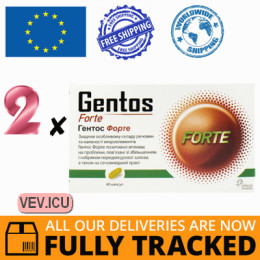
Gentos Forte 2p x 40 capsules — Made in Germany — Free Delivery
Product descriptionGentos® Forte is recommended as an additional source of biologically active substances in order to normalize the functional state of the genitourinary system in men; with urination disorders against the background of chronic prostatitis, benign prostatic hyperplasia, as well as to..
$72.70
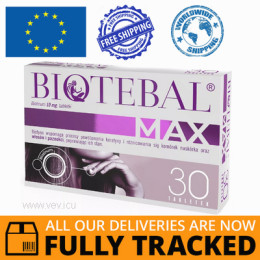
BIOTEBAL MAX 10MG 30 TABS - MADE IN POLAND - FREE SHIPPING
BIOTEBAL MAX 10MG 30 TABLETSBiotebal MAX is a preparation with the highest dose available without a prescription - 10 mg of biotin in one tablet. Biotebal MAX is used to treat severe symptoms of biotin deficiency, such as:hair loss,hair and nail growth disorders,skin inflammation around the eyes, no..
$25.34
2 x VITOTAL FOR MEN 30 TABS — MADE IN POLAND — FREE SHIPPING
VITOTAL FOR MEN 30 TABLETSVitotal for men is a dietary supplement containing vitamins and minerals developed for men.CompositionMagnesium carbonate, calcium salts of orthophosphoric acid, hydroxypropyl methylcellulose, cellulose, nicotinamide, saltsodium carboxymethylcellulose, cross-linked, magnesi..
$23.03

BEAUTYLLAGEN 30 SACHETS - MADE IN POLAND - FREE SHIPPING
Product descriptionBeautyllagen is a dietary supplement in the form of sachets, its composition includes, inter alia, collagen, which is an important building block of tissues, is responsible for skin firmness and elasticity, as well as for the proper functioning of articular cartilage. Biotin helps..
$54.22

ALKALA N POWDER 150 G — MADE IN GERMANY- FREE SHIPPING
ALKALA N POWDER 150 GAlkala N dietary supplement contains alkaline (alkaline) compounds - sodium bicarbonate, potassium bicarbonate and sodium citrate. The package comes with pH test strips, thanks to which it is possible to control the acid-base balance of urine.Application: supplementing the diet ..
$32.27
Buyers Online
- Customer from Port Charlotte registered for an account
- Customer from London registered for an account
- Customer from DUBLIN 7 registered for an account
- Customer from Kennesaw registered for an account
- Customer from Riga registered for an account
- Customer placed a new order for Galstena oral drops 50 ml — Made in Austria — Free Delivery
- Customer placed a new order for CEREBROLYSIN 10ML 5 VILAS - MADE IN AUSTRIA - FREE SHIPPING
- Customer placed a new order for Duxet 60mg 28 capsules — Made in Turkey — Free Delivery
- Customer placed a new order for 2 x MAXIGRA GO 25MG 4 TABS — MADE IN POLAND — FREE SHIPPING
- Customer placed a new order for 2 x FOTIL EYE DROPS 5ML — MADE IN FINLAND — FREE SHIPPING
- Customer from Maple Ridge updated their account details
- Customer from Maple Ridge logged in
- Customer from Gilmanton logged in
- Customer from Lake Stevens logged in
- Customer placed a new order for Lidocain spray 10% 38g — Made in Hungary — Free Delivery
- Customer placed a new order for Soleron 100mg 30 tablets — Made in Ukraine — Free Delivery
- Customer from Gilmanton logged in
- Customer from Founex logged in
- Customer from Miami Beach placed a new order for Essentiale N solution for injection 250mg/5ml, 5 ml x 5 ampoules — Made in Spain — Free Delivery
- Customer from Miami Beach registered for an account