Eye drops
Eye Drops: A Guide to their Use and Benefits
Eye drops are a common medication used to treat various eye conditions such as allergies, infections, dryness, and glaucoma. These medications are available over-the-counter (OTC) or by prescription, and they come in different forms, such as drops, ointments, or gels. In this article, we will explore the different types of eye drops, how they work, and their benefits.
Types of Eye Drops
There are several types of eye drops available, including:
Lubricating drops: These are used to relieve dryness and irritation of the eyes. They work by adding moisture to the eyes and are often used by people who spend long hours in front of a computer or those with dry eye syndrome.
Anti-allergy drops: These are used to relieve itching, redness, and swelling caused by allergies. They work by blocking histamine, a chemical that triggers an allergic response.
Antibiotic drops: These are used to treat bacterial infections of the eyes, such as conjunctivitis. They work by killing the bacteria causing the infection.
Antiviral drops: These are used to treat viral infections of the eyes, such as herpes simplex virus. They work by blocking the replication of the virus.
Anti-inflammatory drops: These are used to reduce inflammation and swelling of the eyes. They are often used to treat conditions such as uveitis and iritis.
Glaucoma drops: These are used to lower intraocular pressure in people with glaucoma. They work by increasing the drainage of fluid from the eye or by reducing the production of fluid.
How to Use Eye Drops
Using eye drops correctly is essential to ensure that they work effectively and reduce the risk of side effects. Here are some general instructions for using eye drops:
Wash your hands thoroughly before using eye drops.
Tilt your head back and look up.
Gently pull down your lower eyelid to create a small pocket.
Hold the eye drop bottle upside down with the dropper above the eye.
Squeeze the bottle to release one drop into the eye.
Close your eye and gently press your finger against the corner of your eye near your nose. This helps to prevent the drops from draining into your tear duct.
Keep your eye closed for a few minutes to allow the medication to be absorbed.
If you need to use multiple drops, wait at least five minutes before applying the next one.
Benefits of Eye Drops
Using eye drops can provide several benefits, including:
Relief of symptoms: Eye drops can provide relief from symptoms such as itching, redness, swelling, and dryness.
Preventing complications: Eye drops can help prevent complications from eye conditions such as glaucoma, which can cause permanent damage to the optic nerve if left untreated.
Convenient: Eye drops are easy to use and can be applied at home or while on the go.
Minimal side effects: Compared to other medications, eye drops have fewer side effects.
Cost-effective: OTC eye drops are affordable, and prescription eye drops are often covered by insurance.
Side Effects of Eye Drops
While eye drops are generally safe, they can cause side effects in some people. These side effects may include:
Burning or stinging sensation in the eye.
Itching or redness of the eye.
Blurred vision.
Watery eyes.
Dry mouth.
Headache.
If you experience any of these side effects, stop using the eye drops and contact your healthcare provider.
Conclusion
Eye drops are a convenient and effective way to treat various eye conditions. They come in different types and forms, and it is essential to use them correctly to ensure their effectiveness and reduce the risk of side effects. By following the instructions provided by your healthcare provider or on the label, you can safely and effectively use eye drops to manage your eye condition. If you experience any side effects, be sure to contact your healthcare provider for advice on how to proceed. With proper use, eye drops can provide relief from symptoms and help prevent complications from eye conditions, leading to better eye health and improved quality of life.
People also ask
What are the very best eye drops?
What are the eye drops that are being recalled?
What are drops used for eyes?
What are the best eye drops for infections?








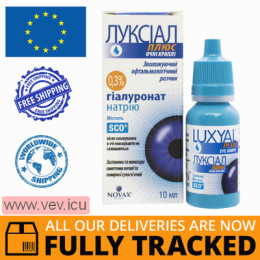

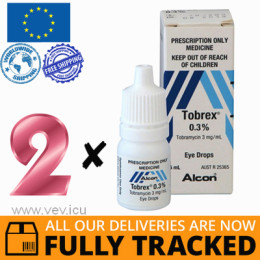
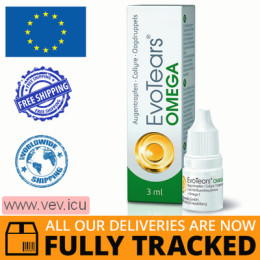
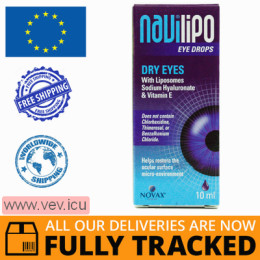


Products viewed
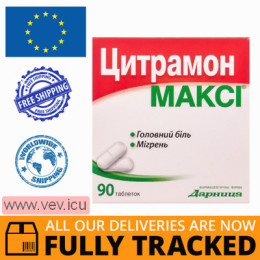
Citramon Maxi 90 tablets — Made in Ukraine — Free Delivery
Product descriptionCitramon Maxi will provide emergency treatment for headaches and migraine attacks with or without aura.StructureActive ingredients: paracetamol, caffeine, acetylsalicylic acid.One tablet contains paracetamol 250 mg, caffeine 65 mg, acetylsalicylic acid 250 mg.Excipients: low-subst..
$200.00

Attento 40mg/10mg 28 tablets — Made in Germany — Free Delivery
Product description Attento 40/10 tablets are indicated for the treatment of essential hypertension.CompoundActive ingredients: olmesartan medoxomil; amlodipine besilate;1 tablet contains olmesartan medoxomil 40 mg and amlodipine besylate 12.888 mg (equivalent to amlodipine 10 mg);Excipients: c..
$39.20
Buyers Online
- Customer from Brooklyn updated their account details
- Customer from Brooklyn logged in
- Customer from Strongsville logged in
- Customer from Brooklyn updated their account details
- Customer from Brooklyn placed a new order for VOLTAREN MAX GEL 180G - MADE IN SWITZERLAND - FREE SHIPPING
- Customer from Brooklyn logged in
- Customer placed a new order for DEBUTIR FORTE 60 СAPS — MADE IN POLAND- FREE SHIPPING
- Customer from Ottawa updated their account details
- Customer from Ottawa registered for an account
- Customer placed a new order for STRESAM 50MG 60 PILLS - MADE IN FRANCE - FREE SHIPPING
- Customer placed a new order for ACNE-DERM Cream 2p x 20Gr — Made in Poland by Uniapharm — Free Delivery
- Customer placed a new order for Ascorbic acid 0,05g 2p x 160 tablets — Made in Ukraine — Free Delivery
- Customer placed a new order for Fanigan 100 tablets — Made in India — Free Delivery
- Customer from Raleigh placed a new order for Essentiale Forte 300 mg, 2p x 50 capsules — Made in Poland — Free Delivery
- Customer from Raleigh logged in
- Customer placed a new order for TENOTEN FOR CHILDREN 40 PILLS — MADE IN LITHUANIA — FREE SHIPPING
- Customer from Raleigh logged in
- Customer placed a new order for Aqua Maris for Children from Birth nasal drops 10 ml — Made in Croatia — Free Deliver
- Customer from Raleigh logged in
- Customer from Raleigh placed a new order for Essentiale Forte 300 mg, 2p x 50 capsules — Made in Poland — Free Delivery