Antineoplastic and immunomodulating agents
Antineoplastic and immunomodulating agents represent a sophisticated class of medications designed to combat malignant cell growth and regulate the body’s immune response. These therapies work by either directly inhibiting the division of cancer cells or by modifying the immune system's activity to either stimulate a defense against tumors or suppress an overactive response in autoimmune conditions. They are the cornerstone of modern oncology and rheumatology, requiring precise administration and clinical monitoring.
What is Antineoplastic and immunomodulating agents and How Does it Work?
Clinical Indications and Systemic Impact
Malignant Neoplasms: Treating various forms of cancer by stopping tumor growth and preventing metastasis. Autoimmune Disorders: Managing conditions like rheumatoid arthritis or lupus where the immune system is hyper-reactive. Organ Transplantation: Preventing the body from rejecting a new organ by modulating the immune response. Immunodeficiency States: Boosting a weakened immune system to help the body fight off persistent infections.
Mechanism of Action
Expert Pharmacist Insight
Frequently Asked Questions (Q&A)


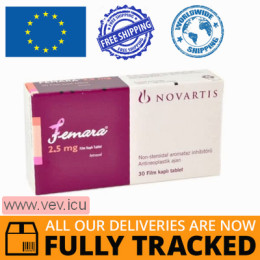

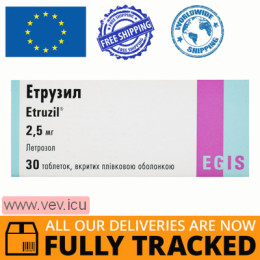

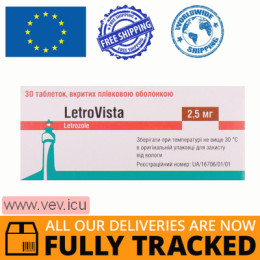
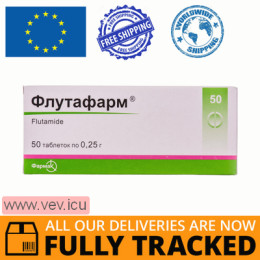
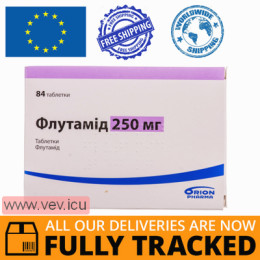
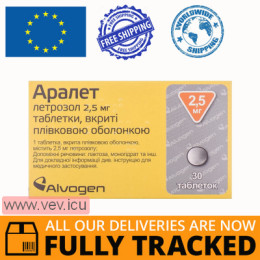

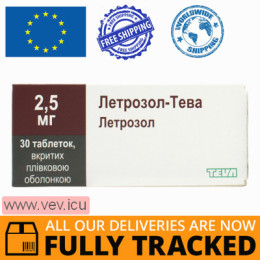



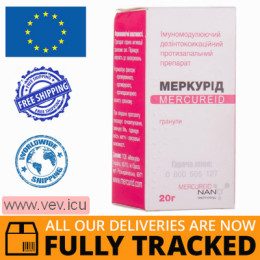
Products viewed

ProFlex drinking solution 25ml x 14 pcs — Made in Germany — Free Delivery
Product description"ProFlex®" is a drinking solution to improve the functional state of the musculoskeletal system.Active substancesCollagen hydrolyzate "FORTIGEL®" helps to compensate for the deficiency of internal collagen in connective and cartilaginous tissues, maintain the necessary elasticity ..
$56.53
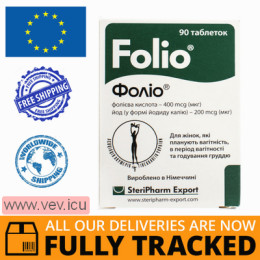
Folio 90 tablets — Made in Germany — Free Delivery
Product description"Folio" is an original combination of folic acid and iodine from the German company Steripharm, specially designed for women planning pregnancy, pregnant and breastfeeding.Active substancesFolic acidIt is a water-soluble B vitamin (vitamin B9). It is partially synthesized in the i..
$40.36
EasyDo 30 capsules — Made in India — Free Delivery
Product descriptionA mixture of natural extracts "EasyDo" is recommended to use if necessary to weaken the stool, normalize bowel function and regularity of the stool.Active substancesThe main constituent of operculina laxative (Operculina turpethum) is glycosidic gum, which is used when stool softe..
$27.05
Buyers Online
- Customer from Brooklyn updated their account details
- Customer from Brooklyn logged in
- Customer from Strongsville logged in
- Customer from Brooklyn updated their account details
- Customer from Brooklyn placed a new order for VOLTAREN MAX GEL 180G - MADE IN SWITZERLAND - FREE SHIPPING
- Customer from Brooklyn logged in
- Customer placed a new order for DEBUTIR FORTE 60 СAPS — MADE IN POLAND- FREE SHIPPING
- Customer from Ottawa updated their account details
- Customer from Ottawa registered for an account
- Customer placed a new order for STRESAM 50MG 60 PILLS - MADE IN FRANCE - FREE SHIPPING
- Customer placed a new order for ACNE-DERM Cream 2p x 20Gr — Made in Poland by Uniapharm — Free Delivery
- Customer placed a new order for Ascorbic acid 0,05g 2p x 160 tablets — Made in Ukraine — Free Delivery
- Customer placed a new order for Fanigan 100 tablets — Made in India — Free Delivery
- Customer from Raleigh placed a new order for Essentiale Forte 300 mg, 2p x 50 capsules — Made in Poland — Free Delivery
- Customer from Raleigh logged in
- Customer placed a new order for TENOTEN FOR CHILDREN 40 PILLS — MADE IN LITHUANIA — FREE SHIPPING
- Customer from Raleigh logged in
- Customer placed a new order for Aqua Maris for Children from Birth nasal drops 10 ml — Made in Croatia — Free Deliver
- Customer from Raleigh logged in
- Customer from Raleigh placed a new order for Essentiale Forte 300 mg, 2p x 50 capsules — Made in Poland — Free Delivery