Pulmobreathe powder for oral suspension 2g x 20 sachets — Made in India — Free Delivery


US and the Rest of the World: 9 to 20 business days
Description Pulmobreathe powder for oral suspension 2g x 20 sachets — Made in India — Free Delivery
Pharmacological properties
Indications
Application
Contraindications
Side effects
Special instructions
Interactions
Overdose
Storage conditions
Tags: Pulmobreathe
Products viewed
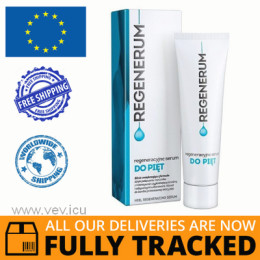
REGENERUM, Regenerative Heel Serum 30G — Made in Poland by Aflofarm — Free Delivery
Product descriptionRegenerum Heel Recovery Serum is a cosmetic product designed for very dry and cracked heels. The formula contains 30% urea, vitamins A, F and E and lanolin. The active ingredients of the preparation support:moisturizing, nourishing and regenerating the dry skin of the heels,restor..
$19.57
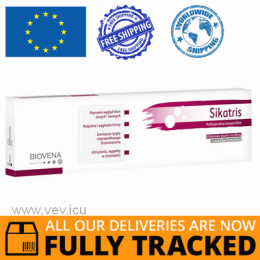
SIKATRIS SILICONE SCAR PATCHES 5X30CM 5PCS - MADE IN POLAND - FREE SHIPPING
Product descriptionSikatris Silicone scar patches are an innovative and effective solution in the prevention and care of various types of scars, based on the unique properties of silicone gel.ApplicationPrevention and care of various types of scars: after cesarean section, cardiological operations, ..
$34.58

OptiFibre, plant-derived prebiotic fiber, 125g — Made in Poland — Free Delivery
Product descriptionOptiFibre is a prebiotic fiber of plant origin, it is recommended for use in the case of constipation, in children over 3 years of age and adults, also by pregnant and lactating women. The product facilitates the excretion of food residues in patients with impaired colon function...
$33.43
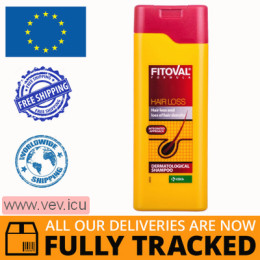
Fitoval Formula Shampoo against hair loss 200 ml — Made in Slovenia — Free Delivery
Product descriptionShampoo Fitoval Anti-Hair Loss Formula is recommended for regular care of hair prone to hair loss.PeculiaritiesWheat peptides penetrate deep into the hair, strengthening the fibers from the inside.Glycogen is a source of energy for hair follicles, stimulates cell division and impr..
$31.12
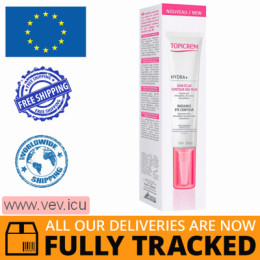
Topicrem Hydra+ Soin Eclat Contour des Yeux 15 ml — Made in France — Free Delivery
Product descriptionTopicrem Hydra + Soin Eclat Contour des Yeux for sensitive skin.Topikrem eye cream has a refreshing creamy-gel texture and instantly transforms the look. Suitable for sensitive eyes, tested under ophthalmological and dermatological control.Active ingredientsBio-active water (tauri..
$33.43
Buyers Online
- Customer from Brooklyn updated their account details
- Customer from Brooklyn logged in
- Customer from Strongsville logged in
- Customer from Brooklyn updated their account details
- Customer from Brooklyn placed a new order for VOLTAREN MAX GEL 180G - MADE IN SWITZERLAND - FREE SHIPPING
- Customer from Brooklyn logged in
- Customer placed a new order for DEBUTIR FORTE 60 СAPS — MADE IN POLAND- FREE SHIPPING
- Customer from Ottawa updated their account details
- Customer from Ottawa registered for an account
- Customer placed a new order for STRESAM 50MG 60 PILLS - MADE IN FRANCE - FREE SHIPPING
- Customer placed a new order for ACNE-DERM Cream 2p x 20Gr — Made in Poland by Uniapharm — Free Delivery
- Customer placed a new order for Ascorbic acid 0,05g 2p x 160 tablets — Made in Ukraine — Free Delivery
- Customer placed a new order for Fanigan 100 tablets — Made in India — Free Delivery
- Customer from Raleigh placed a new order for Essentiale Forte 300 mg, 2p x 50 capsules — Made in Poland — Free Delivery
- Customer from Raleigh logged in
- Customer placed a new order for TENOTEN FOR CHILDREN 40 PILLS — MADE IN LITHUANIA — FREE SHIPPING
- Customer from Raleigh logged in
- Customer placed a new order for Aqua Maris for Children from Birth nasal drops 10 ml — Made in Croatia — Free Deliver
- Customer from Raleigh logged in
- Customer from Raleigh placed a new order for Essentiale Forte 300 mg, 2p x 50 capsules — Made in Poland — Free Delivery