Idrink powder for oral solution, lemon flavor 4.8g x 10 sachets — Made in Ukraine — Free Delivery


US and the Rest of the World: 9 to 20 business days
Description Idrink powder for oral solution, lemon flavor 4.8g x 10 sachets — Made in Ukraine — Free Delivery
Pharmacological properties
Pharmacodynamics. The mechanism of action of paracetamol is explained by the inhibition of the synthesis of prostaglandins in the central nervous system; paracetamol also acts on the thermoregulatory center in the hypothalamus. phenylephrine is a sympathomimetic. its action is associated primarily with direct stimulation of adrenergic receptors and partially with an indirect effect, which is provided by the release of norepinephrine. phenylephrine reduces swelling of the nasal mucosa, makes breathing easier. causes narrowing of the arterioles, increases the ovarian pressure and blood pressure.
Pharmacokinetics. When taken orally, paracetamol is rapidly absorbed from the gastrointestinal tract. Cmax in blood plasma is reached after 30-60 minutes. When used in therapeutic doses, T½ is 1–4 hours. Paracetamol is metabolized in the liver, mainly by means of a conjugation reaction. Depending on the concentration in the blood plasma, it is partially amenable to deacetylation or hydroxylation. The main route of excretion is in the urine (90-100% within 24 hours): in the form of conjugates of glucuronides (60%), sulfates (35%) or cysteine (3%). Phenylephrine hydrochloride is absorbed in the gastrointestinal tract at a variable rate, metabolized by MAO in the intestine and liver. After oral administration, Cmax in blood plasma is reached after 1-2 hours. Average T½ is 2-3 hours. It is excreted in the urine in the form of a sulfate conjugate.
Indications
Symptomatic treatment for acute respiratory infections and flu, accompanied by headache, pain in muscles and joints, sore throat, fever, nasal congestion.
Application
Pour the contents of 1 sachet into a cup and cover with hot water. stir until completely dissolved, if necessary, you can sweeten. take warm.
Adults and children over the age of 12: 1 sachet each. If necessary, the reception can be repeated every 4-6 hours. Do not take more than 4 sachets per day.
The course of treatment should last no more than 3-5 days.
Contraindications
Hypersensitivity to any of the preparations components, severe liver and kidney dysfunction, congenital hyperbilirubinemia, glucose-6-phosphate dehydrogenase deficiency, rare hereditary forms of fructose intolerance, malabsorption of glucose-galactose or sucrose-isomaltose insufficiency, alcoholism, blood diseases, severe anemia , leukopenia, thrombosis, thrombophlebitis, states of increased agitation, sleep disturbance, severe arterial disease, organic diseases of the cardiovascular system (including atherosclerosis), decompensated heart failure, cardiac conduction disorders, tendency to vasospasm, coronary heart disease, angle-closure glaucoma, acute pancreatitis , prostatic hypertrophy, severe forms of diabetes mellitus, epilepsy, hyperthyroidism.
The preparation is contraindicated in patients using tricyclic antidepressants or beta-adrenergic blockers or taking MAO inhibitors within the last 2 weeks. Do not use in patients with phenylketonuria. Not recommended for use in patients with increased blood clotting rate and a tendency to thrombus formation.
Do not use together with preparations that suppress or increase appetite, and amphetamine-like psychostimulants.
Pregnancy and lactation. Children under 12 years of age.
Side effects
- Skin and subcutaneous tissue disorders: rash, itching, urticaria, purpura, allergic dermatitis, erythroderma, erythema multiforme, Stevens-Johnson syndrome, toxic epidermal necrolysis, hemorrhage;
- from the immune system: allergic reactions (including angioedema), anaphylaxis, anaphylactic shock;
- on the part of the psyche: psychomotor agitation, disorientation, anxiety, nervous excitement, a feeling of fear, irritability, sleep disturbance, insomnia, confusion, depression, hallucinations, anxiety, sedation;
- from the nervous system: headache, dizziness, tremor, paresthesia;
- on the part of the organ of hearing and vestibular apparatus: tinnitus, vertigo;
- on the part of the organ of vision: visual impairment and accommodation, mydriasis, increased intraocular pressure;
- from the gastrointestinal tract: nausea, vomiting, dry mouth, ulcers of the oral mucosa, hypersalivation, discomfort and abdominal pain, loss of appetite, heartburn, diarrhea, hemorrhages;
- from the hepatobiliary system: liver dysfunction, increased activity of liver enzymes, hepatonecrosis, liver failure, jaundice;
- from the blood and lymphatic system: anemia, sulfhemoglobinemia and methemoglobinemia, hemolytic anemia, thrombocytopenia, leukopenia, neutropenia, pancytopenia, agranulocytosis;
- from the kidneys and urinary system: impaired urination, urinary retention (more likely in patients with prostatic hypertrophy), oliguria, renal colic, nephrotoxic effect;
- from the cardiovascular system: increased blood pressure, tachycardia or reflex bradycardia, palpitations, shortness of breath, heart pain, arrhythmia, edema;
- from the respiratory system, chest and mediastinal organs: bronchospasm in patients sensitive to acetylsalicylic acid and other NSAIDs;
- others: general weakness, fever, increased sweating, hypoglycemia, hyperglycemia, glucosuria.
Special instructions
The preparation should be used with caution in patients prone to increased blood pressure, as well as with liver and kidney diseases.
Should be avoided concurrently with other preparations intended for the symptomatic treatment of colds and flu, vasoconstrictor preparations for the treatment of rhinitis, as well as preparations containing paracetamol. Patients with pheochromocytoma, difficulty urinating, Raynaud's disease (which may manifest as pain in the fingers and toes in response to cold or stress) should be consulted before using the preparation.
The preparation contains sucrose, therefore, the preparation should not be used in patients with rare hereditary forms of fructose intolerance, in case of impaired absorption of glucose-galactose or sucrose-isomaltose insufficiency.
The preparation contains aspartame, which is a phenylalanine derivative, which is dangerous for patients with phenylketonuria.
If the patient's condition does not improve, a doctor should be consulted.
If the symptoms of the disease do not disappear after 5 days of taking the preparation, treatment should be discontinued.
Do not exceed the indicated dose.
If the dose was accidentally exceeded, you should immediately consult a doctor.
Due to the high content of paracetamol, do not use for liver and kidney diseases without consulting a doctor.
Phenylephrine, which is part of the preparation, can cause attacks of angina pectoris.
If, on the recommendation of a doctor, the preparation is used for a long period, it is necessary to monitor the functional state of the liver and the picture of peripheral blood. With prolonged use in high doses, aplastic anemia, pancytopenia, agranulocytosis, neutropenia, leukopenia, thrombocytopenia are possible.
Use during pregnancy and lactation. The preparation is contraindicated during pregnancy and lactation.
Children. The preparation is contraindicated in children under 12 years of age.
The ability to influence the reaction rate when driving or working with other mechanisms. When using the preparation, it is not recommended to drive vehicles and work with other mechanisms, since the preparation may cause drowsiness.
Interactions
Simultaneous use with MAO, tricyclic antidepressants, methyldopa is contraindicated due to the possible occurrence of severe ag, tachycardia, hyperthermia, dysfunction of vital organs, which can lead to death. the preparation enhances the effects of sedatives and antiepileptic preparations, ethanol and ethanol-containing preparations. when used simultaneously with antihypertensive preparations, the effectiveness of the latter may decrease. when used simultaneously with some hypnotics, antiepileptic preparations, barbiturates, rifampicin, ethanol, non-toxic doses of paracetamol can cause liver damage. barbiturates reduce the antipyretic effect of paracetamol. with the simultaneous use of paracetamol with azidothymidine, neutropenia may develop. with the simultaneous use of paracetamol increases the hepatotoxicity of chloramphenicol. paracetamol potentiates the action of indirect anticoagulants. the rate of absorption of paracetamol can be increased by metoclopramide and domperidone and decreased by cholestyramine.
The interaction of phenylephrine with MAO inhibitors causes a hypertensive effect, with tricyclic antidepressants (for example, amitriptyline) - increases the risk of cardiovascular side effects, with digoxin and cardiac glycosides - leads to heartbeat disorders or myocardial infarction. Phenylephrine with other sympathomimetics increases the risk of adverse reactions from the cardiovascular system. Phenylephrine can reduce the effectiveness of beta-adrenergic blockers and other antihypertensive preparations (reserpine, methyldopa) with an increased risk of hypertension and other adverse reactions from the cardiovascular system.
It is not recommended to prescribe the preparation to patients using MAO inhibitors or who completed their therapy less than 2 weeks ago.
Overdose
Paracetamol overdose can cause liver failure. liver damage is possible in adults after oral administration of 10 g or more of paracetamol and in children who have taken paracetamol at a dose of more than 150 mg / kg of body weight.
Symptoms of a paracetamol overdose in the first 24 hours: increased sweating, psychomotor agitation or depression of the central nervous system, headache, pallor, dizziness, insomnia, heart rhythm disturbances, tachycardia, reflex bradycardia, extrasystole, tremor, hyperreflexia, nausea, rheumatoid arthritis and abdominal pain. In severe cases, impaired consciousness, hallucinations, convulsions and arrhythmias are possible. Symptoms of liver damage may appear 12–48 hours after an overdose. Disorders of glucose metabolism and metabolic acidosis may occur. In acute overdose, liver damage can cause toxic encephalopathy with impaired consciousness, which can be fatal. When taking high doses, disorders of the urinary system are possible - nephrotoxicity (renal colic, interstitial nephritis, papillary necrosis). ARF with tubulonecrosis can occur even without liver damage. There have been reports of the occurrence of pancreatitis and arrhythmias.
With prolonged use in high doses, aplastic anemia, pancytopenia, agranulocytosis, neutropenia, leukopenia, thrombocytopenia are possible.
It is believed that additional amounts of toxic metabolites in case of overdose are irreversibly bound to liver tissue.
In case of an overdose of paracetamol, an ambulance must be provided, even if no symptoms of an overdose have been identified. To ensure proper skilled care and adequate therapy, all patients with an overdose (7.5 g or more of paracetamol) should be hospitalized. Immediate gastric lavage, activated charcoal intake and continuation of symptomatic therapy are necessary. The use of paracetamol antidotes - N-acetylcysteine IV or oral methionine - can have a positive effect within 48 hours after an overdose.
Overdose due to the action of phenylephrine can cause increased sweating, psychomotor agitation or depression of the central nervous system, headache, pallor, dizziness, insomnia, heart rhythm disturbances, tachycardia, reflex bradycardia, extrasystole, tremor, hyperreflexia, nausea, irritability, vomiting HELL. In severe cases, impaired consciousness, hallucinations, convulsions and arrhythmias are possible.
In case of an overdose, gastric lavage, intake of activated charcoal, symptomatic therapy, the use of alpha-adrenergic blockers, such as phentolamine, are necessary for severe hypertension.
Storage conditions
In its original packaging at a temperature not exceeding 25 ° C
Tags: Idrink
Products viewed
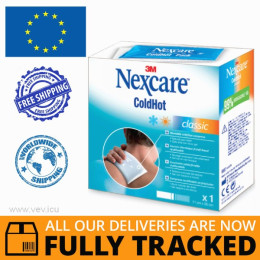
Nexcare ColdHot Classic gel wrap 11 x 26cm — Made in Poland — Free Delivery
Product descriptionReusable cold-warm compress (up to 400 times) with a very wide range of applications.ApplicationAs a warm compress in the case of: rheumatic pains, period pains, chronic pains (e.g. lumbago), painful muscle spasms. As a cold compress in case of: injuries (bruises, sprains, etc.), ..
$23.03
Buyers Online
- Customer from Brooklyn updated their account details
- Customer from Brooklyn logged in
- Customer from Strongsville logged in
- Customer from Brooklyn updated their account details
- Customer from Brooklyn placed a new order for VOLTAREN MAX GEL 180G - MADE IN SWITZERLAND - FREE SHIPPING
- Customer from Brooklyn logged in
- Customer placed a new order for DEBUTIR FORTE 60 СAPS — MADE IN POLAND- FREE SHIPPING
- Customer from Ottawa updated their account details
- Customer from Ottawa registered for an account
- Customer placed a new order for STRESAM 50MG 60 PILLS - MADE IN FRANCE - FREE SHIPPING
- Customer placed a new order for ACNE-DERM Cream 2p x 20Gr — Made in Poland by Uniapharm — Free Delivery
- Customer placed a new order for Ascorbic acid 0,05g 2p x 160 tablets — Made in Ukraine — Free Delivery
- Customer placed a new order for Fanigan 100 tablets — Made in India — Free Delivery
- Customer from Raleigh placed a new order for Essentiale Forte 300 mg, 2p x 50 capsules — Made in Poland — Free Delivery
- Customer from Raleigh logged in
- Customer placed a new order for TENOTEN FOR CHILDREN 40 PILLS — MADE IN LITHUANIA — FREE SHIPPING
- Customer from Raleigh logged in
- Customer placed a new order for Aqua Maris for Children from Birth nasal drops 10 ml — Made in Croatia — Free Deliver
- Customer from Raleigh logged in
- Customer from Raleigh placed a new order for Essentiale Forte 300 mg, 2p x 50 capsules — Made in Poland — Free Delivery