Pravenor Forte 30 capsules is a Ukrainian-made dietary supplement designed to support men’s genitourinary health. Each pack contains 30 capsules with L-arginine, saw palmetto, nettle, tribulus, ginkgo biloba, and yohimbine, enhancing libido and prostate function. Taken as 2 capsules daily with water, it promotes urinary ease and vitality naturally. Stored below 25°C, this 30-capsule set offers a month-long supply for men over 18 seeking wellness effectively.
→ - 30 March 2025 21:37:42
- Views: 775
Inventum Max 50mg 2 tablets is a Polish-made, over-the-counter solution by Aflofarm for men over 18 facing erectile dysfunction. Each pack includes 2 chewable tablets with 50mg sildenafil, a PDE5 inhibitor that boosts penile blood flow during arousal. Taken 1 hour before intimacy, it supports erections for up to 5 hours naturally. Stored below 25°C, this 2-tablet set offers discreet, effective potency aid without water, enhancing sexual confidence seamlessly.
→ - 30 March 2025 21:22:54
- Views: 1307
LOXON MAX liquid for scalp 60ml is a French-made solution designed to combat androgenetic alopecia in adults aged 18-65. Each 60ml bottle contains 5% minoxidil (50mg/ml), a potent agent that stimulates hair regrowth and halts hair loss. Applied as 1ml twice daily to dry scalp, it promotes follicle activity naturally. Stored below 25°C, this 60ml pack offers a month-long supply for men and women seeking thicker, healthier hair effectively.
→ - 30 March 2025 21:16:27
- Views: 2193
MAXON ACTIVE 2 x 25mg 4 tabs is a Polish-made, over-the-counter solution for adult men facing erectile dysfunction. Each pack includes 8 tablets, with 25mg of sildenafil per tablet, a PDE5 inhibitor that boosts penile blood flow during sexual stimulation. Taken 1 hour before intimacy, it supports firm erections for up to 4-6 hours naturally. Stored below 25°C, this 8-tablet set offers a discreet, effective option for men over 18 seeking to enhance sexual performance confidently.
→ - 30 March 2025 21:02:21
- Views: 521
Omnadren 250 oil solution for injection 1ml x 5 ampoules is a Polish-made testosterone replacement therapy for men over 18 with hypogonadism. Each 1ml ampoule contains 250mg of four testosterone esters—propionate, phenylpropionate, isocaproate, and decanoate—delivering sustained hormone release. Administered intramuscularly every 4 weeks, it restores energy, libido, and muscle mass naturally. Stored below 25°C, this 5-ampoule pack provides a convenient, effective solution for androgen deficiency discreetly.
→ - 30 March 2025 20:53:17
- Views: 567
BRAVERA Control 96mg/g aerosol 8ml is a Polish-made solution designed to help men over 18 manage premature ejaculation. Each 8ml spray contains lidocaine, a local anesthetic, reducing penile sensitivity to touch. Applied as 3-7 sprays 5-15 minutes before intercourse, it extends performance naturally. Stored below 25°C, this 8ml pack offers discreet, non-prescription support for enhanced intimacy effectively.
→ - 30 March 2025 20:31:08
- Views: 186
Gentos Forte 40 capsules is an Austrian-made dietary supplement crafted to support men’s genitourinary health. Each pack contains 40 capsules with extracts of poplar, saw palmetto, hemlock, potassium iodide, and iron picrate, targeting prostate function and urination issues. Taken as 1 capsule three times daily after meals, it aids in normalizing prostate activity and easing urinary discomfort naturally. Stored below 25°C, this 40-capsule pack offers up to 12 weeks of support for men over 18 seeking prostate and bladder wellness effectively.
→ - 30 March 2025 20:24:25
- Views: 325
PROSTAMIN 2 x 30 tabs is a Polish-made dietary supplement designed to support prostate health in adult men. Each pack includes 60 tablets with zinc, vitamins B6 and E, plus extracts of pumpkin seeds, nettle root, saw palmetto, and African plum bark. Taken as 1 tablet twice daily after meals, it helps maintain testosterone levels and urinary function naturally. Stored below 25°C, this 60-tablet set offers a month-long supply to promote prostate wellness and reduce fatigue effectively.
→ - 30 March 2025 20:11:48
- Views: 187
Vendiol 0.06mg/0.015mg 28 tablets is a Hungarian-made oral contraceptive designed for women to prevent pregnancy and regulate hormonal imbalances. Each pack contains 28 tablets—21 active with 0.06mg ethinylestradiol and 0.015mg gestodene, plus 7 placebo pills—to maintain a daily routine. Taken one tablet daily at the same time, it inhibits ovulation and thickens cervical mucus naturally. Stored below 25°C, this 28-tablet pack provides a month-long cycle of reliable contraception and menstrual support for women over 18 effectively.
→ - 30 March 2025 18:56:31
- Views: 307
Sinegra 100mg 4 tablets is a Turkish-made solution crafted to treat erectile dysfunction in adult men. Each tablet contains 100mg of sildenafil, a PDE5 inhibitor that improves blood flow to the penis during sexual stimulation. Taken 1 hour before activity, one tablet supports a firm erection for up to 4-6 hours naturally. Stored below 25°C, this 4-tablet pack offers a discreet, effective option for men over 18 seeking to enhance sexual performance without dependency risks.
→ - 30 March 2025 18:42:10
- Views: 356
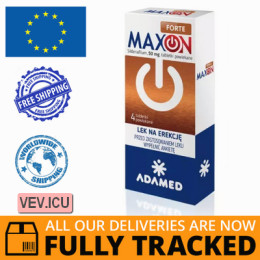
Maxon Forte 50mg 4 tablets is a Polish-made remedy by Adamed designed to treat erectile dysfunction in adult men. Each tablet contains 50mg of sildenafil, a PDE5 inhibitor that enhances blood flow to the penis during sexual stimulation. Taken 1 hour before activity, one tablet helps achieve and maintain an erection naturally, lasting up to 4-6 hours. Stored below 25°C, this 4-tablet pack offers a discreet, non-habit-forming solution for men over 18 seeking to improve sexual performance effectively
→ - 30 March 2025 18:38:09
- Views: 446
ANTI-HAIR LOSS TREATMENT 5 ml x 15 ampoules is a Polish-made solution designed to combat excessive hair loss in men. Each 5 ml ampoule contains the REGEN7 molecule and H-VIT multi-complex to strengthen follicles, stimulate growth, and soothe the scalp. Applied daily to damp or dry hair by massaging into thinning areas, it reduces shedding and revitalizes hair over 2-3 months. Stored in a cool, dry place, this 15-ampoule pack offers a natural, irritation-free approach for men tackling early baldness or weak hair effectively.
→ - 30 March 2025 12:39:50
- Views: 397
ANTI HAIR LOSS SHAMPOO 200 ml is a Polish-made solution crafted to fight excessive hair loss in men. Each bottle features the REGEN7 molecule and H-VIT multi-complex to strengthen hair follicles, stimulate regrowth, and improve scalp health. Applied daily or 3-4 times weekly by massaging into wet hair for 2-3 minutes before rinsing, it reduces shedding while enhancing hair vitality. Stored in a cool, dry place, this 200 ml pack offers a natural, irritation-free formula for men tackling thinning hair or early baldness effectively.
- 30 March 2025 12:28:41
- Views: 652
PERSEN FORTE 40 caps is a German-made herbal supplement designed to relieve mild nervous tension and promote restful sleep. Each capsule blends valerian root extract (87.5mg), lemon balm leaf extract (17.5mg), and peppermint leaf extract (17.5mg) to calm the mind naturally. Taken as 1-2 capsules two to three times daily for stress or 2 capsules before bed for sleep, PERSEN FORTE offers a gentle, non-addictive solution. Stored below 25°C, this 40-capsule pack supports adults and teens over 12 seeking herbal relaxation effectively.
→ - 30 March 2025 10:24:00
- Views: 3187
PERSEN NIGHT 445mg 15 tabs is a German-made herbal remedy crafted to ease mild nervous tension and support restful sleep. Each tablet contains 445mg of valerian root extract, a natural sedative that calms the mind and body. Taken as 1 tablet 30-60 minutes before bed, PERSEN NIGHT helps adults and teens over 12 fall asleep naturally without dependency risks. Stored below 25°C, this 15-tablet pack offers a gentle, plant-based solution for occasional sleep difficulties and nighttime relaxation effectively.
→ - 30 March 2025 10:10:25
- Views: 858
Persen Forte 2p x 40 capsules is a German-made herbal remedy designed to relieve mild nervous tension and promote restful sleep. Each capsule contains valerian root extract (87.5mg), lemon balm leaf extract (17.5mg), and mint leaf extract (17.5mg), blending natural sedatives to calm the mind. Taken as 1-2 capsules two to three times daily for stress or 2 capsules before bed for sleep, Persen offers a gentle, non-habit-forming solution. Stored below 25°C, this 80-capsule twin pack supports adults and teens over 12 seeking natural relaxation effectively.
→ - 30 March 2025 09:56:51
- Views: 2547
RECIGAR 1.5mg 100 tabs is a Polish-made solution designed to assist smokers in quitting by easing nicotine dependence. Each tablet contains 1.5mg of cytisine, a natural alkaloid that curbs cravings and withdrawal symptoms. Taken over a 25-day plan with a decreasing dosage—starting at 6 tablets daily and tapering to 1-2—RECIGAR aims for users to stop smoking by day 5. Stored below 25°C, this 100-tablet pack provides a full, plant-based therapy for adults seeking to break free from nicotine addiction naturally.
→ - 29 March 2025 06:29:49
- Views: 2498
Betargin 10ml x 20 ampoules is a dietary supplement crafted to enhance liver and gallbladder function. Each 10ml ampoule contains arginine and betaine, amino acids that aid in detoxification, metabolism normalization, and microcirculation improvement. Taken 2-3 times daily after meals by diluting in water, Betargin promotes energy production, reduces fatigue, and supports hepatobiliary health. Stored below 25°C, this 20-ampoule pack offers adults a convenient, French-made solution to combat intoxication and maintain cellular vitality naturally.
→ - 29 March 2025 06:19:16
- Views: 1799
Oftan Eye Drops 5mg/ml 5ml is an antiglaucoma solution crafted to lower intraocular pressure in conditions like open-angle glaucoma and ocular hypertension. Each 5ml bottle contains timolol maleate at 5mg/ml, a beta-blocker that reduces aqueous humor production. Applied as 1-2 drops in the affected eye twice daily, Oftan Eye Drops protects optic nerve health and helps prevent vision loss. Stored below 25°C, this compact bottle is perfect for adults seeking reliable, long-lasting pressure relief with a preservative-inclusive formula.
→ - 29 March 2025 06:14:10
- Views: 196
Oftan Catachrom Eye Drops 10ml x 2 is a twin-pack solution designed to combat cataracts and enhance lens health. Each 10ml bottle contains adenosine, nicotinamide, and cytochrome C, working together to boost lens metabolism, shield against free radicals, and moisturize the eye. Applied as 1-2 drops three times daily, Oftan Catachrom supports tissue repair and offers anti-inflammatory benefits. Stored below 25°C, this 2-bottle set is ideal for adults seeking to slow cataract progression and maintain clear vision naturally, with a convenient supply for consistent use.
→ - 29 March 2025 05:57:16
- Views: 769
-
Page:Showing 1001 to 1020 of 1618 (81 Pages)