Antifungal
Understanding Antifungal Medications: How They Work and When to Use Them
Fungal infections are common and can affect various parts of the body, including the skin, nails, mouth, and genitals. These infections can be uncomfortable, persistent, and sometimes even serious if left untreated. Fortunately, there are antifungal medications available that can effectively treat these infections. In this article, we will explore what antifungal medications are, how they work, and when to use them.
What are Antifungal Medications?
Antifungal medications, also known as antifungals, are drugs that are specifically designed to treat fungal infections. They work by targeting the fungi, either by killing them or inhibiting their growth. Antifungals can be classified into several types based on their mechanism of action, including:
Azoles: Azoles are a common class of antifungal medications that work by inhibiting the production of ergosterol, which is a crucial component of fungal cell membranes. Without ergosterol, the fungal cell membrane becomes weakened, leading to cell death. Examples of azole antifungals include fluconazole, ketoconazole, and itraconazole.
Polyenes: Polyenes are antifungal medications that bind to ergosterol in the fungal cell membrane, forming pores that disrupt the integrity of the membrane and cause leakage of cellular contents, ultimately leading to fungal cell death. Amphotericin B is a commonly used polyene antifungal.
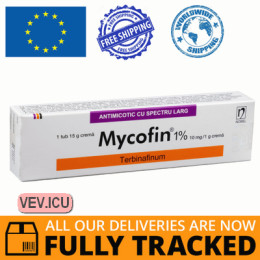
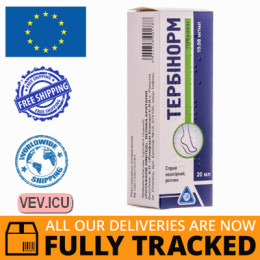
Allylamines: Allylamines work by inhibiting an enzyme called squalene epoxidase, which is involved in the production of ergosterol. By blocking this enzyme, allylamines disrupt the synthesis of ergosterol and interfere with fungal cell membrane formation. Terbinafine is a commonly used allylamine antifungal.
Echinocandins: Echinocandins are antifungal medications that inhibit the synthesis of beta-glucan, which is an essential component of the fungal cell wall. Without beta-glucan, the fungal cell wall becomes weakened, leading to cell lysis and death. Caspofungin and micafungin are examples of echinocandin antifungals.
When to Use Antifungal Medications?
Antifungal medications are used to treat various types of fungal infections, including:
Skin infections: Antifungal creams, lotions, or powders may be used to treat fungal infections of the skin, such as ringworm, athlete's foot, and jock itch. Topical antifungals are applied directly to the affected area and are generally effective for mild to moderate skin infections.
Nail infections: Antifungal medications in the form of oral tablets or topical solutions may be used to treat fungal infections of the nails, also known as onychomycosis. Oral antifungals are usually prescribed for severe nail infections or infections that do not respond to topical treatments.
Oral thrush: Antifungal medications in the form of mouthwashes, lozenges, or tablets may be used to treat oral thrush, which is a fungal infection that affects the mouth and throat. These medications are typically used for mild to moderate cases of oral thrush.
Systemic infections: Antifungal medications in the form of intravenous (IV) injections or oral tablets may be used to treat systemic fungal infections, which are infections that affect internal organs and can be serious or life-threatening. Systemic antifungals are prescribed and administered under the supervision of a healthcare professional.
It's important to note that antifungal medications are not effective against bacterial or viral infections. They are specifically designed to treat fungal infections and should only be used as prescribed by a healthcare professional for the specific type and severity of fungal infection.
Possible Side Effects of Antifungal Medications
Like any medication, antifungal medications can have potential side effects. The side effects may vary depending on the type of antifungal medication and the individual's response to the medication. Common side effects of antifungal medications may include:
Skin irritation: Topical antifungal medications may cause skin irritation, redness, itching, or rash at the application site.
Gastrointestinal symptoms: Oral antifungal medications may cause gastrointestinal symptoms such as nausea, vomiting, diarrhea, or abdominal pain.
Headache: Some antifungal medications may cause headaches or migraines in some individuals.
Liver toxicity: Certain antifungal medications, such as azoles, may have the potential to cause liver toxicity, especially with prolonged or high-dose use. Regular liver function monitoring may be required during treatment with certain antifungal medications.
Drug interactions: Antifungal medications may interact with other medications a person is taking, leading to potential drug interactions. It's important to inform your healthcare provider about all medications you are taking, including over-the-counter medications, supplements, and herbal remedies, before starting antifungal treatment.
It's essential to follow the prescribed dosage and duration of antifungal medication as recommended by your healthcare provider to minimize the risk of side effects and ensure effective treatment.
Precautions and Considerations
Before starting antifungal medication, it's important to consider the following precautions:
Allergies: If you have a known allergy to any antifungal medication or its ingredients, inform your healthcare provider before starting treatment.
Pregnancy or breastfeeding: If you are pregnant, planning to become pregnant, or breastfeeding, discuss the potential risks and benefits of antifungal medication with your healthcare provider. Some antifungal medications may not be safe during pregnancy or breastfeeding.
Underlying health conditions: Inform your healthcare provider about any underlying health conditions you have, such as liver disease, kidney disease, or heart disease, as some antifungal medications may require dose adjustments or may not be recommended in certain health conditions.
Compliance with treatment: To ensure the effectiveness of antifungal medication, it's important to follow the prescribed dosage, duration, and frequency of medication as recommended by your healthcare provider. Skipping doses or stopping medication prematurely may lead to treatment failure or recurrence of infection.
Lifestyle modifications: In some cases, lifestyle modifications may be recommended along with antifungal medication to prevent reinfection, such as keeping the affected area clean and dry, avoiding sharing personal items, wearing breathable footwear, and practicing good oral hygiene.
In conclusion, antifungal medications are effective in treating various types of fungal infections. They work by targeting the fungi and inhibiting their growth or causing cell death. However, it's important to use antifungal medications as prescribed by a healthcare professional, follow precautions, and be aware of potential side effects. If you suspect a fungal infection, consult your healthcare provider for proper diagnosis and appropriate treatment with antifungal medication.






Products viewed
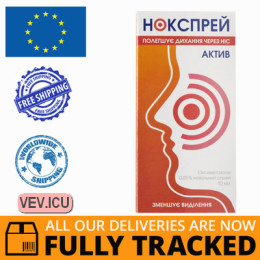
Noxsprey Active nasal spray 0.05%, 10 ml — Made in Ukraine — Free Delivery
IndicationAcute respiratory diseases accompanied by nasal congestion. acute rhinitis allergic rhinitis. vasomotor rhinitis. to restore drainage and nasal breathing in diseases of paranasal sinuses, eustachianitis. to eliminate swelling before diagnostic manipulations in the nasal passages.Applicatio..
$19.57

ProctoLact-M, 2 g x 10 sachets — Made in Poland — Free Delivery
Product descriptionDietary food for special medical purposes ProctoLact contains a live strain of Lactobacillus rhamnosus PL1 probiotic bacteria. Lactobacillus bacteria are a natural element of the intestinal ecosystem, fulfilling numerous health-promoting functions. The proper number of these micro..
$21.88

2 x SELENIUM + ZINC WITH VITAMINS 30 TABS - MADE IN POLAND - FREE SHIPPING
Product descriptionSelenium + zinc with vitamins is a dietary supplement intended for adults. Selenium and zinc help maintain healthy hair and nails, together with vitamin E they protect cells against oxidative stress, and vitamins A and C contained in the supplement support the proper functioning o..
$20.72

2 x 4FLEX PUREGEL 100MG, 100G - MADE IN CANADA - FREE SHIPPING
Product descriptionThe product is a preparation in the form of a gel. It contains the active substance naproxen, belonging to the non-steroidal anti-inflammatory preparations (NSAIDs). Gel for topical application to the skin, which in addition to anti-inflammatory properties also..
$42.06
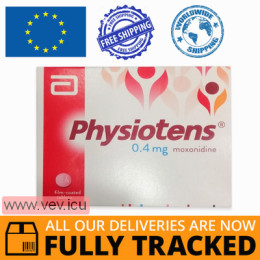
Physiotens 0.4mg 28 tablets — Made in France — Free Delivery
Pharmacological propertiesPharmacodynamics. Moxonidine has been proven to be an effective antihypertensive agent. the available experimental data indicate that the site of the antihypertensive action of moxonidine is CNS. moxonidine is a selective agonist of imidazoline receptors. these imidazoline-..
$34.58
Buyers Online
- Customer placed a new order for Gidazepam ІС 20 mg 20 tablets — Made in Ukraine — Free Delivery
- Customer from Doral logged in
- Customer from Port Charlotte registered for an account
- Customer from London registered for an account
- Customer from DUBLIN 7 registered for an account
- Customer from Kennesaw registered for an account
- Customer from Riga registered for an account
- Customer placed a new order for Galstena oral drops 50 ml — Made in Austria — Free Delivery
- Customer placed a new order for CEREBROLYSIN 10ML 5 VILAS - MADE IN AUSTRIA - FREE SHIPPING
- Customer placed a new order for Duxet 60mg 28 capsules — Made in Turkey — Free Delivery
- Customer placed a new order for 2 x MAXIGRA GO 25MG 4 TABS — MADE IN POLAND — FREE SHIPPING
- Customer placed a new order for 2 x FOTIL EYE DROPS 5ML — MADE IN FINLAND — FREE SHIPPING
- Customer from Maple Ridge updated their account details
- Customer from Maple Ridge logged in
- Customer from Gilmanton logged in
- Customer from Lake Stevens logged in
- Customer placed a new order for Lidocain spray 10% 38g — Made in Hungary — Free Delivery
- Customer placed a new order for Soleron 100mg 30 tablets — Made in Ukraine — Free Delivery
- Customer from Gilmanton logged in
- Customer from Founex logged in