Antimicrobial
Understanding Antimicrobial Medicines: How They Work and Why They Are Important
Antimicrobial medicines, also known as antibiotics, are a class of drugs that are used to treat bacterial infections. They play a critical role in modern medicine, helping to cure or control a wide range of bacterial diseases that were once life-threatening. In this article, we will explore the different types of antimicrobial medicines, how they work, and why they are important in healthcare.
Types of Antimicrobial Medicines
Antimicrobial medicines are classified into several categories based on their mechanism of action and the types of bacteria they target. The main types of antimicrobial medicines include:
Broad-Spectrum Antibiotics: These antibiotics are effective against a wide range of bacteria, both Gram-positive and Gram-negative. Examples include amoxicillin, ciprofloxacin, and azithromycin. They are commonly prescribed when the specific bacteria causing the infection are unknown or when the infection is severe.
Narrow-Spectrum Antibiotics: These antibiotics are effective against specific types of bacteria. Examples include penicillin, which is effective against many Gram-positive bacteria, and vancomycin, which is effective against certain Gram-positive bacteria that are resistant to other antibiotics. Narrow-spectrum antibiotics are preferred when the specific bacteria causing the infection are known.
Antifungal Medicines: These medicines are used to treat fungal infections, such as candidiasis and aspergillosis. Examples include fluconazole and amphotericin B.
Antiviral Medicines: These medicines are used to treat viral infections, such as influenza and HIV. Examples include oseltamivir and tenofovir.
How Antimicrobial Medicines Work
Antimicrobial medicines work by targeting specific structures or processes in bacteria, fungi, or viruses, disrupting their ability to survive and reproduce. The mechanisms of action of antimicrobial medicines vary depending on the type of drug and the specific target.
Inhibition of Cell Wall Synthesis: Many antimicrobial medicines, such as penicillin and vancomycin, work by inhibiting the synthesis of bacterial cell walls. Bacterial cells have a rigid cell wall that provides structure and protection. By blocking the synthesis of the cell wall, these medicines weaken the bacteria, making them susceptible to destruction by the immune system or preventing their ability to reproduce.
Inhibition of Protein Synthesis: Other antimicrobial medicines, such as tetracyclines and macrolides, work by inhibiting the synthesis of bacterial proteins. Proteins are essential for the survival and reproduction of bacteria. By disrupting protein synthesis, these medicines interfere with the bacteria's ability to function and reproduce.
Inhibition of Nucleic Acid Synthesis: Some antimicrobial medicines, such as quinolones and rifampin, work by inhibiting the synthesis of bacterial nucleic acids, which are essential for the bacteria's genetic material and reproduction.
Disruption of Cell Membrane Function: Antifungal medicines, such as azoles and polyenes, work by disrupting the integrity and function of fungal cell membranes, which are crucial for their survival.
Inhibition of Viral Replication: Antiviral medicines, such as nucleoside analogs and protease inhibitors, work by inhibiting the replication of viruses, preventing them from spreading and causing further damage.
The Importance of Antimicrobial Medicines in Healthcare
Antimicrobial medicines are critical in healthcare for several reasons:
Treatment of Bacterial Infections: Antimicrobial medicines are essential for the treatment of bacterial infections, ranging from common respiratory tract infections to life-threatening conditions such as sepsis. They are used to cure bacterial infections, prevent complications, and reduce the spread of bacterial diseases.Prevention of Infections in Medical Procedures: Antimicrobial medicines are used prophylactically in medical procedures, such as surgeries and invasive interventions, to prevent infections. They are prescribed to patients who are at high risk of developing infections during or after a procedure, helping to reduce the risk of complications and improve patient outcomes.
Management of Antibiotic-Resistant Infections: Antimicrobial resistance has become a significant global health threat. Antimicrobial medicines are crucial in managing antibiotic-resistant infections, as they can still be effective against certain strains of bacteria that are resistant to other antibiotics. They are used in combination or as a last resort to treat infections caused by multidrug-resistant bacteria, helping to save lives and prevent the spread of drug-resistant strains.
Treatment of Fungal and Viral Infections: Antifungal and antiviral medicines are vital for the treatment of fungal and viral infections, respectively. Fungal infections can range from mild skin infections to severe systemic infections, and antifungal medicines are used to control and cure these infections. Antiviral medicines are used to manage viral infections, such as influenza, HIV, and herpes, helping to suppress viral replication, reduce symptoms, and improve patient outcomes.
Supportive Care in Immunocompromised Patients: Antimicrobial medicines are crucial in providing supportive care to immunocompromised patients, such as those with cancer, organ transplants, or other conditions that weaken the immune system. These patients are more susceptible to infections, and antimicrobial medicines are used to prevent, control, and treat infections in this vulnerable population.
Conclusion
Antimicrobial medicines are a cornerstone of modern medicine, playing a critical role in the treatment and prevention of bacterial, fungal, and viral infections. They are essential for managing antibiotic-resistant infections, preventing complications in medical procedures, providing supportive care in immunocompromised patients, and improving patient outcomes. However, it is crucial to use antimicrobial medicines judiciously and follow appropriate prescribing practices to prevent the development of further antimicrobial resistance. Proper infection control measures, accurate diagnosis, and appropriate antibiotic stewardship are essential in preserving the effectiveness of antimicrobial medicines for current and future generations.













Products viewed
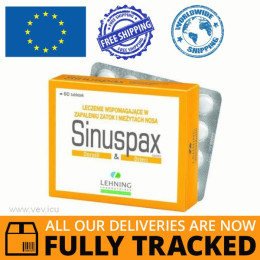
SINUSPAX 60 TABLETS — MADE IN FRANCE — FREE SHIPPING
IndicationsRhinitis, allergic rhinitis, sinusitis.Composition1 tablet contains: active substances: calcarea carbonica D8 0.02g; calcarea fluorica D6 0.02 g; manganese sulfuricum D6 0.02 g; belladonna D6 0.02g; sabadilla D6 0.02 g; hepar sulfuris D6 0.02 g; hydrastis canadensis D8 0.02g; kalium sulfu..
$25.34

Aherp aciclovir cream 5% (acyclovir), 2g — Made in Ukraine — Free Delivery
Pharmacological propertiesAherp refers to antiviral agents that are highly effective against herpes viruses, especially herpes simplex viruses type i and ii, as well as herpes zoster virus. after entering a cell affected by the herpes virus, acyclovir is converted into active acyclovir triphosp..
$23.57
Buyers Online
- Customer from Brooklyn updated their account details
- Customer from Brooklyn logged in
- Customer from Strongsville logged in
- Customer from Brooklyn updated their account details
- Customer from Brooklyn placed a new order for VOLTAREN MAX GEL 180G - MADE IN SWITZERLAND - FREE SHIPPING
- Customer from Brooklyn logged in
- Customer placed a new order for DEBUTIR FORTE 60 СAPS — MADE IN POLAND- FREE SHIPPING
- Customer from Ottawa updated their account details
- Customer from Ottawa registered for an account
- Customer placed a new order for STRESAM 50MG 60 PILLS - MADE IN FRANCE - FREE SHIPPING
- Customer placed a new order for ACNE-DERM Cream 2p x 20Gr — Made in Poland by Uniapharm — Free Delivery
- Customer placed a new order for Ascorbic acid 0,05g 2p x 160 tablets — Made in Ukraine — Free Delivery
- Customer placed a new order for Fanigan 100 tablets — Made in India — Free Delivery
- Customer from Raleigh placed a new order for Essentiale Forte 300 mg, 2p x 50 capsules — Made in Poland — Free Delivery
- Customer from Raleigh logged in
- Customer placed a new order for TENOTEN FOR CHILDREN 40 PILLS — MADE IN LITHUANIA — FREE SHIPPING
- Customer from Raleigh logged in
- Customer placed a new order for Aqua Maris for Children from Birth nasal drops 10 ml — Made in Croatia — Free Deliver
- Customer from Raleigh logged in
- Customer from Raleigh placed a new order for Essentiale Forte 300 mg, 2p x 50 capsules — Made in Poland — Free Delivery