Scars
Understanding Scars: Types, Causes, Treatment, and Prevention
Introduction:
Scars are a common occurrence on the skin as a result of injuries, surgeries, or certain skin conditions. They can vary in size, shape, color, and texture, and may affect a person's physical appearance, self-esteem, and quality of life. In this article, we will delve into the different types of scars, their causes, treatment options, and preventive measures to help you better understand scars and how to manage them.
Types of Scars:
Normal Scars: Normal scars, also known as mature scars, are the most common type of scars. They form during the natural healing process of the skin after an injury or surgery. Normal scars typically appear flat, pale, and blend in with the surrounding skin over time.
Hypertrophic Scars: Hypertrophic scars are characterized by raised, thickened areas of skin that may be red, pink, or purple in color. They form when the body produces an excess of collagen during the healing process, leading to an overgrowth of scar tissue. Hypertrophic scars usually do not extend beyond the boundaries of the original injury and can be itchy or painful.
Keloid Scars: Keloid scars are similar to hypertrophic scars but differ in that they extend beyond the boundaries of the original injury site. They can be thick, raised, and dark in color, and may continue to grow even after the wound has healed. Keloid scars are more common in people with darker skin tones and may cause discomfort or itchiness.
Atrophic Scars: Atrophic scars are characterized by depressions or indentations in the skin and are commonly associated with conditions such as acne or chickenpox. They can be either shallow or deep and may appear as small pits or larger craters on the skin surface.
Causes of Scars:
Scars can form as a result of various factors, including:
Injuries: Scars can occur as a result of accidents, cuts, burns, or other traumatic injuries that damage the skin. The severity of the injury and the way the wound heals can affect the appearance and type of scar that forms.
Surgeries: Surgical procedures, whether elective or medically necessary, can result in scars. The size and location of the incision, as well as individual factors such as genetics and skin type, can influence the scar's characteristics.
Skin Conditions: Certain skin conditions, such as acne, can cause scarring, particularly if the condition is severe or not properly managed. Inflammatory skin conditions like psoriasis and eczema can also lead to scarring if the skin is repeatedly scratched or injured.
Treatment Options for Scars:
The treatment of scars depends on their type, size, and location, as well as the individual's overall health and preferences. Treatment options for scars may include:
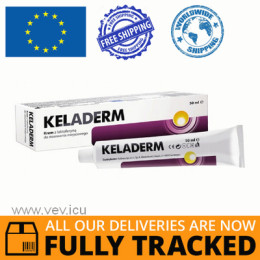
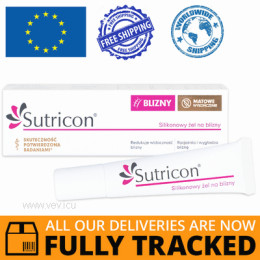
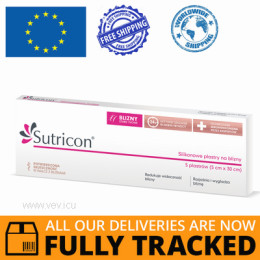
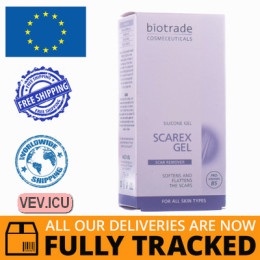
Topical Treatments: Over-the-counter or prescription creams, gels, or silicone sheets can be used to help reduce the appearance of scars. These products may contain ingredients such as corticosteroids, vitamin E, or onion extract, which can help soften and flatten scars over time.
Corticosteroid Injections: Corticosteroid injections are commonly used for hypertrophic or keloid scars. They work by reducing inflammation and suppressing collagen production, helping to flatten and soften the scar tissue. Multiple injections may be needed, and results can vary.
Laser Therapy: Laser treatments, such as fractional laser resurfacing, can help improve the appearance of scars by stimulating collagen production, reducing redness, and improving skin texture. Laser therapy can be used for various types of scars, but the type of laser used will depend on the scar's characteristics. Surgical Interventions: In some cases, surgical interventions may be necessary to treat scars. This may include scar revision surgery, where the scar is surgically removed and the wound is closed with meticulous techniques to create a less noticeable scar. This option is often considered for larger, more prominent scars or scars that affect the function of a certain area of the body.
Dermal Fillers: Dermal fillers, typically made of hyaluronic acid, can be used to fill in atrophic scars and make them less noticeable. The filler is injected into the depressed area of the scar, helping to raise the skin to the level of the surrounding skin and create a smoother appearance.
Preventive Measures for Scars:
While scars cannot always be completely prevented, there are steps that can be taken to minimize the risk of developing prominent scars:
Proper Wound Care: Taking care of wounds properly can help minimize the risk of scarring. This includes cleaning the wound gently, keeping it moisturized, protecting it from sunlight, and avoiding picking at scabs or scratching the healing skin.
Early Treatment of Skin Conditions: If you have a skin condition such as acne, eczema, or psoriasis, it's important to seek early treatment to prevent severe inflammation and damage to the skin that can result in scarring.
Avoiding Smoking: Smoking can impair the healing process of the skin and increase the risk of developing hypertrophic scars and keloids. Quitting smoking or avoiding exposure to smoke can help reduce the risk of scars.
Sun Protection: Protecting your skin from the sun can help prevent hyperpigmentation and darkening of scars. Use sunscreen with a high SPF, wear protective clothing, and avoid prolonged sun exposure, especially during the peak hours of sunlight.
Proper Nutrition: Eating a balanced diet that is rich in vitamins and minerals can support the healing process of the skin and promote healthy skin tissue regeneration, which may help reduce the risk of developing noticeable scars.
Conclusion:
Scars are a common occurrence on the skin and can result from injuries, surgeries, or certain skin conditions. Understanding the types of scars, their causes, treatment options, and preventive measures can help individuals effectively manage and minimize the appearance of scars. If you have concerns about your scars, it's important to consult with a qualified healthcare professional who can assess your individual situation and provide appropriate recommendations for treatment and prevention. With proper care and management, scars can be minimized, allowing individuals to feel more confident and comfortable in their skin.













Products viewed
Melaxamine 30 capsules — Made in Poland — Free Delivery
Product descriptionMelaxamine is a physiological sleep harmonizer for proper rest and recovery.Melatonin promotes faster falling asleep and normalizes sleep phases.Glycine Provides Easy AwakeningActive ingredientsMelatonin - normalizes circadian rhythms, regulates the cycle: sleep - wakefulness, dai..
$21.88

Nixar 20 mg 30 tablets — Made in Germany — Free Delivery
Pharmacological propertiesPharmacodynamics. Bilastine is a long-acting antihistamine, does not cause sedation, selectively binds to peripheral h1-receptors and does not bind to m-cholinergic receptors.After a single application of bilastine for 24 hours, it suppresses the development of skin reactio..
$37.63

Lakten-ENT 24 chewable tablets — Made in Canada — Free Delivery
Product descriptionLakten-ENT can be recommended as a combined probiotic to restore healthy microflora of the oral cavity and ENT organs. As a source of probiotics for the microflora of the oral cavity. May contribute to the development of a favorable intestinal microflora. For adults and children o..
$25.34
Fluanxol 0,5mg 100 tablets — Made in Denmark — Free Delivery
Product description Fluanxol tablets are used for the following indications:depression, accompanied by anxiety, asthenia and loss of initiative;chronic neurotic disorders accompanied by anxiety, depression and inactivity;psychosomatic disorders with asthenic reactions;schizophrenia and other ps..
$42.56

Calmavis 30 tablets — Made in Italy — Free Delivery
Product description"Calmavis " - a combined sedative, consisting of a complex of medicinal plants, the amino acid L-tryptophan and magnesium, reduces the manifestation of anxiety, mental stress, helps to calm down during stress, fatigue and increased irritability, provides calmness, balance of ..
$34.00
Buyers Online
- Customer from Trieste logged in
- Customer placed a new order for NIMESIL 2G X 30 SACHETS 100 MG — MADE IN GERMANY — FREE SHIPPING
- Customer from Brooklyn updated their account details
- Customer from Brooklyn logged in
- Customer from Strongsville logged in
- Customer from Brooklyn updated their account details
- Customer from Brooklyn placed a new order for VOLTAREN MAX GEL 180G - MADE IN SWITZERLAND - FREE SHIPPING
- Customer from Brooklyn logged in
- Customer placed a new order for DEBUTIR FORTE 60 СAPS — MADE IN POLAND- FREE SHIPPING
- Customer from Ottawa updated their account details
- Customer from Ottawa registered for an account
- Customer placed a new order for STRESAM 50MG 60 PILLS - MADE IN FRANCE - FREE SHIPPING
- Customer placed a new order for ACNE-DERM Cream 2p x 20Gr — Made in Poland by Uniapharm — Free Delivery
- Customer placed a new order for Ascorbic acid 0,05g 2p x 160 tablets — Made in Ukraine — Free Delivery
- Customer placed a new order for Fanigan 100 tablets — Made in India — Free Delivery
- Customer from Raleigh placed a new order for Essentiale Forte 300 mg, 2p x 50 capsules — Made in Poland — Free Delivery
- Customer from Raleigh logged in
- Customer placed a new order for TENOTEN FOR CHILDREN 40 PILLS — MADE IN LITHUANIA — FREE SHIPPING
- Customer from Raleigh logged in
- Customer placed a new order for Aqua Maris for Children from Birth nasal drops 10 ml — Made in Croatia — Free Deliver