Anemia symptoms and treatment


- 07 June 2023 14:46:41
- Views: 401
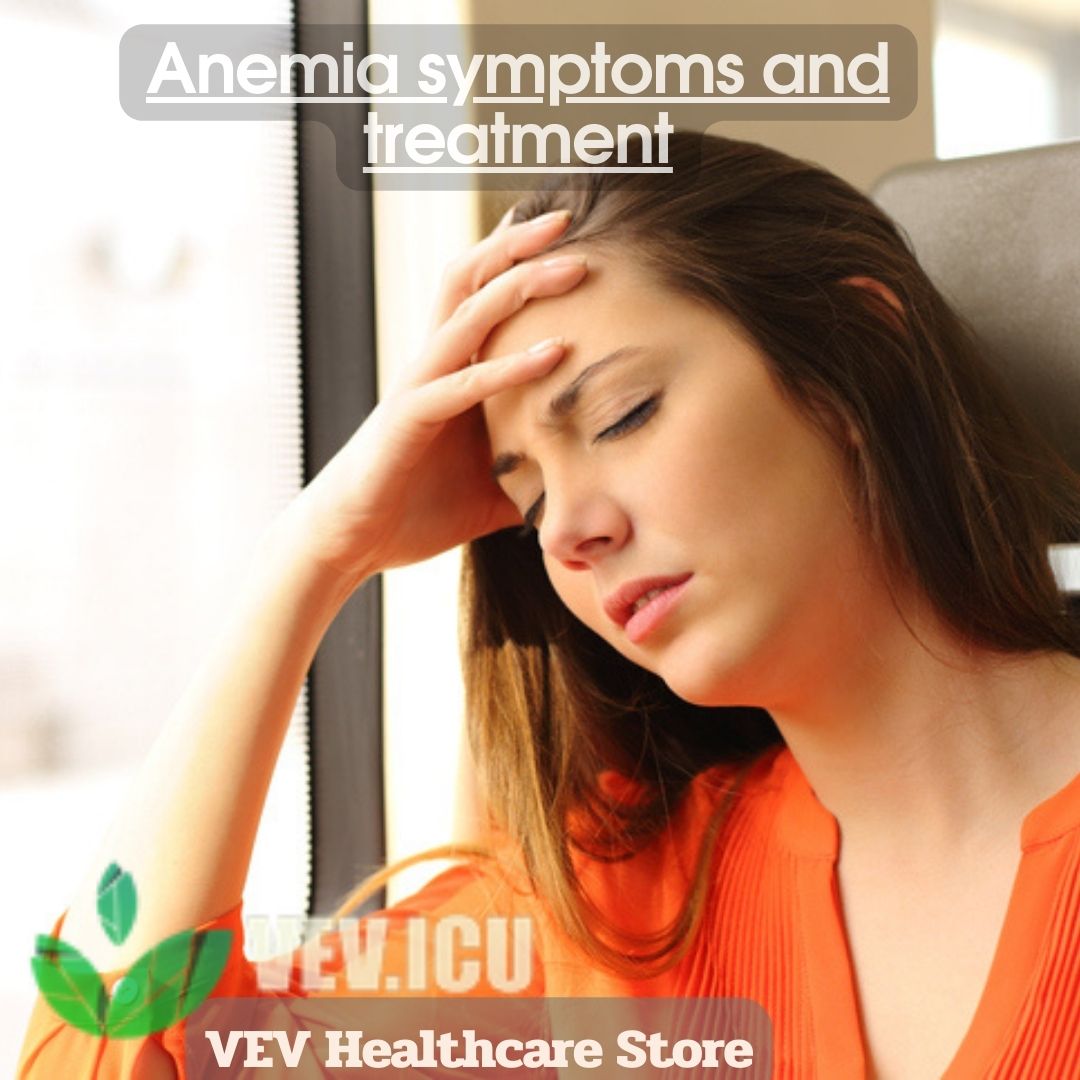
Anemia symptoms and treatment
Anemia is a medical condition caused by a decrease in the number of red blood cells or hemoglobin in the
blood. Such a decrease leads to an insufficient oxygen supply to the tissues and organs in the body and is
usually accompanied by symptoms such as fatigue, weakness, shortness of breath, and pale skin. There
are several types of anemia, including iron-deficiency anemia, vitamin-deficiency anemia, and hemolytic
anemia. Treatment varies depending on the cause of the condition, and may involve dietary changes,
iron or vitamin supplements, medication, or even blood transfusions. This essay will explore the various
symptoms and treatments of anemia.
A. Definition of anemia
Anemia is a medical condition where there is a deficiency of red blood cells or hemoglobin in the body.
Red blood cells play a vital role in transporting oxygen to different parts of the body. Hemoglobin is an
iron-rich protein present in red blood cells, which binds to oxygen for transport. The deficiency of either
of these can result in anemia. Anemia can be caused by various factors such as blood loss, inadequate
production of red blood cells, or the destruction of red blood cells. Common symptoms of anemia include
fatigue, weakness, pale skin, shortness of breath, and dizziness. Anemia can be diagnosed through blood
tests and treated with medication, dietary changes, or blood transfusions depending on the severity and
cause.
B. Brief overview of anemia symptoms and treatment
Symptoms of anemia may vary depending on the severity of the condition. Mild cases may not manifest
any symptoms, while severe cases may present with easily noticeable symptoms. Fatigue, weakness,
shortness of breath, pale skin, irregular heartbeat, and dizziness are common symptoms of anemia.
Treatment may likewise differ depending on the underlying causes of the condition. Treatment options
include dietary changes, iron supplements, vitamin B-12 injections, and sometimes blood transfusions. In
severe cases, medications and surgery may be required to treat anemia. Proper diagnosis and management
of anemia is essential to prevent further complications and improve the quality of life of individuals
affected by this condition.
C. Importance of understanding anemia symptoms and treatment
Understanding anemia symptoms and treatment is crucial as it can help prevent the condition from
worsening, and eventually, leading to more severe health complications. Anemia can impact the body
in multiple ways, and the severity of its symptoms may vary depending on the type and cause of the
condition. In addition, anemia can also be a sign of underlying health issues, such as cancer or kidney
disease. Proper treatment of anemia involves identifying the root cause of the condition and addressing
it effectively, whether that's through dietary changes, supplements, or medication. Early diagnosis and
treatment are essential for managing the condition and preventing complications, highlighting the importance
of being aware of the symptoms and seeking medical attention promptly.
While anemia can be a serious condition, it is often successfully treated with dietary changes and
supplements. Iron-rich foods such as spinach, red meat, and tofu can boost iron levels, while vitamin C
can help the body better absorb iron. Supplements such as iron pills and vitamin B-12 injections may be
necessary in severe cases or when dietary changes are not enough. Additionally, treating any underlying
conditions, such as heavy menstrual bleeding or stomach ulcers, can also help alleviate anemia symptoms.
With proper treatment, most individuals with anemia can regain their energy and improve their overall
health.
II. Anemia Symptoms
In addition to the general symptoms of anemia, there are some specific symptoms that are associated with
different types of anemia. For example, individuals with sickle cell anemia may experience episodes of
severe pain, swelling in the hands and feet, and frequent infections. In contrast, individuals with pernicious
anemia, which is caused by a deficiency of vitamin B12, may experience symptoms such as a sore tongue,
diarrhea, and numbness and tingling in the hands and feet. It is important for healthcare professionals to
differentiate between different types of anemia based on the presenting symptoms in order to provide an
accurate diagnosis and appropriate treatment.
A. Physical symptoms
In addition to the fatigue and weakness that anemia can cause, there are other physical symptoms that
may be present. These symptoms can include shortness of breath, dizziness, headaches, and pale skin.
Shortness of breath is caused by the body not receiving enough oxygen due to the decreased number of
red blood cells in the bloodstream. Dizziness can occur due to a lack of oxygen being delivered to the
brain. Headaches may also occur because of decreased oxygen levels. Additionally, the skin may appear
pale due to the decreased amount of hemoglobin and red blood cells, which are responsible for the red
color of blood.
1. Fatigue
One of the most common symptoms of anemia is fatigue. When one is anemic, the body doesn't receive
enough oxygen, which can lead to a decrease in energy levels and a feeling of fatigue. The severity of
the fatigue can vary depending on the severity of the anemia and the individual's overall health. In some
cases, the fatigue may be so severe that it can interfere with daily activities and negatively impact one's
quality of life. It is important for individuals experiencing fatigue to seek medical attention to determine
if anemia or another underlying condition is the cause.
2. Weakness
Another weakness associated with anemia is difficulty concentrating. Decreased oxygen levels in the
brain can cause fatigue and an inability to focus. Additionally, some patients may experience vertigo or
dizziness, which can further impair mental acuity. In extreme cases, anemia can lead to fainting spells
and loss of consciousness. Patients who are experiencing these symptoms should seek medical attention
immediately. If untreated, anemia can lead to serious complications, including heart failure and organ
damage. Therefore, it is crucial for individuals with anemia to adhere to their treatment plans and attend
regular check-ups with their healthcare provider.
3. Pale skin
Another associated symptom of anemia is pale skin, which occurs due to the lack of oxygenated blood in
the body. The hemoglobin present in red blood cells, responsible for carrying oxygen, also gives blood
its characteristic red color. When there is a deficiency in hemoglobin or red blood cells, the skin may
appear pale, especially in the face, gums, and nail beds. Pale skin is a common symptom of anemia, as
decreased oxygen in the body causes lower blood flow to the skin. However, it is important to note that
pale skin can also indicate other medical conditions, and a healthcare professional should be consulted to
determine the underlying cause.
4. Shortness of breath
Another common symptom of anemia is shortness of breath. This occurs because the body has a reduced
ability to transport oxygen to the vital organs and tissues due to the low levels of red blood cells and
hemoglobin. As a result, the lungs are forced to work harder to supply the body with adequate amounts
of oxygen. A person with anemia may experience shortness of breath even during mild physical activity,
such as walking or climbing stairs. In severe cases, they may even experience shortness of breath while
resting. If left untreated, anemia can lead to serious complications, including heart failure, which can
further aggravate shortness of breath.
B. Psychological symptoms
Another set of symptoms that one can experience due to anemia is related to psychology. The condition
may result in lethargy, fatigue, irritability, and depression. Anemia causes oxygen deprivation in the body,
leading to a shortage of energy supply to the brain. This oxygen deficiency to the brain can lead to
cognitive impairment, poor concentration and memory loss. The lack of energy can also cause mood
swings, anger outbursts, and a weakened ability to cope with stress. It is essential to seek medical
attention if you experience psychological symptoms associated with anemia as it can significantly affect
an individual's quality of life.
1. Depression
Depression is a mood disorder that is characterized by feelings of sadness, hopelessness, and loss of
interest in normal activities. It is a common and serious mental health problem that affects millions of
people worldwide. Depression can have a profound impact on a person's daily life and can lead to suicidal
thoughts and behaviors if left untreated. Treatment for depression may include medication, therapy,
or a combination of both. Cognitive-behavioral therapy is a type of therapy that is often used to treat
depression. It helps the person identify negative thought patterns and replace them with positive ones that
can improve their overall mental health and quality of life.
2. Anxiety
Anxiety is a common condition that affects millions of people worldwide. In fact, anxiety disorders are
the most common mental illness in the United States, with over 40 million adults experiencing some
form of anxiety each year. Anxiety can manifest in many ways, including excessive worry, feelings
of apprehension, and physical symptoms like tremors or sweating. There are several types of anxiety
disorders, including generalized anxiety disorder, panic disorder, and social anxiety disorder. Treatment
options for anxiety include therapy, medication, lifestyle changes, and self-help strategies. Seeking help
for anxiety is important since untreated anxiety can lead to other mental and physical health problems.
3. Decreased cognitive function
Anemia can cause decreased cognitive function, which can result in poor concentration, memory loss, and
difficulty in solving complex problems. This is because the brain requires oxygen to function properly,
and anemia reduces the amount of oxygen that can be transported to the brain. As a result, individuals with
anemia may find it difficult to perform mental tasks that require higher-level thinking and processing.
Furthermore, studies have also shown that anemia can lead to long-term cognitive decline, which can
affect an individual's overall quality of life. Therefore, it is important to recognize the signs of anemia
and seek appropriate treatment to prevent further cognitive decline.
Anemia can be treated in a number of different ways depending on the underlying cause and severity of
the condition. In cases where the anemia is due to a nutrient deficiency, such as vitamin B12 or iron,
treatment may involve taking supplements or eating more foods rich in these nutrients. For more severe
cases of anemia, blood transfusions or erythropoietin injections may be necessary to increase red blood
cell production. In addition to these treatments, addressing any contributing factors such as an underlying
medical condition or heavy menstrual bleeding may also be necessary in order to effectively manage
anemia and prevent it from recurring.
III. Causes of Anemia
There are many different causes of anemia, including deficiencies in necessary vitamins and minerals,
such as iron, vitamin B12, and folate. Additionally, certain medical conditions, like cancer, chronic kidney
disease, and inflammatory bowel disease, can also cause anemia by interfering with the body’s ability to
produce red blood cells, or by destroying already-produced red blood cells. Furthermore, genetics can
play a role in anemia, as some inherited anemia types, like sickle cell anemia, result from abnormal genes
that affect red blood cells’ shape and function. Lastly, some medications, such as chemotherapy drugs and
certain antibiotics, can also lead to anemia. Understanding the underlying cause of an anemia diagnosis
is critical to effective treatment and prevention of future cases.
A. Iron-deficiency anemia
Iron-deficiency anemia is a common type of anemia that occurs when there is a lack of iron in the body.
Iron plays a crucial role in the production of hemoglobin, a protein in red blood cells that carries oxygen
throughout the body. Without enough iron, the body cannot produce enough hemoglobin, leading to
anemia. Symptoms of iron-deficiency anemia include fatigue, weakness, pale skin, shortness of breath,
headaches, and cold hands and feet. Treatment options for iron-deficiency anemia typically involve iron
supplements to increase iron levels in the body. In severe cases, blood transfusions may be required.
B. Vitamin deficiency anemia
is a type of anemia caused by a lack of certain vitamins, including vitamin B12, folic acid, and vitamin
C. These vitamins are essential for the production and development of healthy red blood cells. Without
them, the body cannot produce enough red blood cells or produce unhealthy red blood cells that cannot
properly carry oxygen. This can lead to fatigue, weakness, shortness of breath, and other symptoms of
anemia. Treatment for vitamin deficiency anemia may include oral vitamin supplements, changes to diet
to include foods high in these vitamins, and in severe cases, injections of the deficient vitamin.
C. Hemolytic anemia
is a condition where red blood cells are destroyed faster than bone marrow can produce them. This form
of anemia can be caused by genetic defects, autoimmune disorders, infections, or certain medications.
Symptoms may include fatigue, jaundice, dark urine, and an enlarged spleen. Treatment for hemolytic
anemia depends on the underlying cause and severity of the condition. Mild cases may not require
treatment, while severe cases may require blood transfusions, medications to suppress the immune system,
or surgery to remove the spleen. It is important to properly diagnose and treat this type of anemia to
prevent complications such as heart failure, stroke, or kidney damage.
D. Aplastic anemia
is a rare condition in which the body's bone marrow does not produce enough new blood cells. This
can lead to fatigue, infections, and bleeding. Treatment options for aplastic anemia vary depending on
the severity and cause of the condition. In some cases, a bone marrow transplant may be necessary to
replace damaged marrow cells. Other treatment options include medications, blood transfusions, and
supportive care. Those with aplastic anemia should work closely with their healthcare provider to develop
an individualized treatment plan. It is important for individuals with this condition to receive ongoing
medical care to manage their symptoms and improve their quality of life.
Anemia is a medical condition characterized by low levels of hemoglobin or red blood cells in the body.
Since hemoglobin is responsible for carrying oxygen from the lungs to different parts of the body, a low
hemoglobin count can cause various health problems, such as fatigue, weakness, shortness of breath, and
pale skin. There are different types of anemia, and their causes can range from dietary deficiencies and
medication side effects to genetic and chronic diseases. Treatment of anemia depends on the underlying
cause and may involve medications, dietary changes, or blood transfusions. In some cases, surgery or
other medical procedures may be necessary.
IV. Diagnosis of Anemia
The diagnosis of anemia involves a series of diagnostic tests that help to identify and determine the
underlying cause of the condition. The diagnostic tests include a physical examination, complete blood
count (CBC), reticulocyte count, peripheral blood smear, and iron studies. The physical examination
will identify any symptoms that are consistent with anemia, such as skin pallor, weakness, and fatigue.
The CBC will determine the level of hemoglobin and hematocrit in the blood. A reticulocyte count will
evaluate the production of red blood cells by the bone marrow. The peripheral blood smear will evaluate
the size, shape, and color of the red blood cells. Iron studies will evaluate the iron levels in the blood to
determine if the anemia is caused by iron deficiency.
A. Blood tests
There are various blood tests that can help to diagnose anemia and determine its severity. A complete
blood count (CBC) is one of the most common blood tests. It measures the levels of red blood cells, white
blood cells, and platelets in the blood, along with hemoglobin and hematocrit levels. A reticulocyte count
may also be done to measure the number of young red blood cells in the bloodstream. Additionally, serum
iron, ferritin, transferrin, and total iron-binding capacity (TIBC) tests may be done to assess iron levels
in the body. These tests can provide important information to healthcare providers for diagnosing anemia
and determining appropriate treatments.
B. Physical examination
is an important step in diagnosing anemia. The physical examination will often reveal pale or yellow skin
and conjunctiva, a rapid heartbeat, and an enlarged spleen. The healthcare provider will also perform a
complete blood count (CBC) to confirm the diagnosis of anemia and to classify the severity of the problem.
Other tests may include a reticulocyte count, a serum ferritin level, and a vitamin B12 level. The healthcare
provider will also ask about the patient’s medical history, including any medications they are taking and
any family history of anemia or other blood disorders. Based on the results of the physical examination
and laboratory tests, the healthcare provider will create a treatment plan tailored to the patient’s specific
needs.
C. Medical history
is an important aspect in the diagnosis and treatment of anemia. A detailed medical history can help
identify the underlying cause of anemia and guide appropriate treatment decisions. Medical history
includes previous diagnoses, medications, surgeries, and family history of anemia or related conditions. It
is also important to gather information on the patient's diet, lifestyle, and any recent infections or illnesses
that may contribute to the development of anemia. A thorough medical history combined with laboratory
tests and physical examination can provide a comprehensive evaluation of the patient's condition and
enable healthcare providers to determine the most appropriate treatment plan.
Furthermore, there are various treatments available for anemia, depending on the type and severity
of the condition. Iron-deficiency anemia can be treated with iron supplements, either in oral form or
intravenously. Vitamin-deficiency anemia can be addressed by consuming more foods rich in the deficient
vitamin, or taking supplements. In severe cases, blood transfusions or bone marrow transplants may
be necessary. Additionally, for individuals with chronic conditions that cause anemia, such as kidney
disease or cancer, addressing the underlying condition is crucial in managing anemia symptoms. It is
recommended that individuals with anemia consult with their healthcare provider to determine the best
course of treatment for their specific condition.
V. Treatment of Anemia
includes various options depending on the cause and type of anemia. Iron-deficiency anemia is treated
by increasing dietary iron intake or by iron supplements. Vitamin-deficiency anemia involves increasing
oral intake of the deficient vitamin. Anemia caused by chronic kidney disease may require erythropoietin
injections to stimulate bone marrow to produce new red blood cells. In the case of sickle cell anemia,
treatment involves managing pain and reducing complications with blood transfusions and hydroxyurea
therapy. For aplastic anemia, bone marrow transplants and immunosuppressive therapy may be necessary.
Managing the underlying cause of anemia is crucial in treating this condition.
A. Iron supplements
Iron supplements are commonly used to treat anemia caused by iron deficiency. It is often recommended
for individuals who are unable to consume an adequate amount of iron-rich foods and for those who
have certain conditions that cause chronic blood loss, such as heavy menstrual bleeding or ulcerative
colitis. But, excessive intake of iron supplements can be harmful. Overdoses can lead to nausea, vomiting,
and diarrhea and in severe cases, liver damage. Therefore, people who do not have an iron deficiency
should not take iron supplements without medical supervision. Moreover, it is important to consult a
healthcare professional before consuming iron supplements to ensure proper dosage and avoid potential
complications.
B. Vitamin supplements
In some cases, taking B vitamin supplements can be an effective treatment for anemia. These supplements
can help to boost the production of red blood cells, which can ultimately increase hemoglobin levels and
improve symptoms. However, it is important to note that not all types of anemia are caused by a vitamin
B deficiency, and not all patients will respond equally well to supplementation. Additionally, taking
excessive amounts of vitamin B can be harmful, and patients should always consult with a healthcare
professional before starting any new supplement regimen. In some cases, other treatments or lifestyle
changes may be more effective for managing anemia.
C. Blood transfusions
are typically recommended for severe anemia cases when immediate oxygen delivery is necessary. Blood
transfusions are a straightforward and effective way to replace lost red blood cells and increase the
oxygen-carrying capacity of the blood. Before a transfusion, blood type compatibility is determined to
avoid potential adverse reactions. Transfusions carry inherent risks, such as reactions to the transfused
blood or infections, so careful monitoring is necessary during and after the procedure. However, when
conducted safely and appropriately, blood transfusions can provide a quick and efficient solution to severe
anemia. They are often used in addition to other treatments such as iron supplements, dietary changes, or
hormone therapies, depending on the underlying cause of anemia.
D. Bone marrow transplant
is an option for individuals with severe aplastic anemia or other bone marrow disorders who have not
responded to other treatments. A bone marrow transplant involves replacing the diseased bone marrow
with healthy bone marrow stem cells. The donor cells may come from a matched related or unrelated
donor, or from the patient themselves if their own bone marrow was collected prior to treatment. This
process is complex and carries risks such as infection, rejection, and graft-versus-host disease. However,
it has shown to have significant benefits in achieving long-term remission or cure for some patients.
Finally, it is important to discuss the treatment options for anemia. Depending on the type and severity of
anemia, treatment may vary. For iron-deficiency anemia, one of the most common types, iron supplements
and changes in diet may be recommended. For other forms of anemia, such as B12 deficiency anemia,
vitamin supplementation or injections may be necessary. In some cases, blood transfusions may also be
required. Additionally, it is important to address the underlying cause of the anemia, such as treating an
underlying medical condition or addressing dietary deficiencies. A healthcare provider can work with the
patient to determine the best course of treatment for their specific case of anemia.
VI. Prevention of Anemia
Prevention of anemia depends on the type of anemia. In the case of iron-deficiency anemia, ensuring an
adequate intake of iron-rich foods such as red meat, green leafy vegetables, and fortified cereals can help
maintain good iron levels in the body. Consuming vitamin C rich foods such as citrus fruits, tomatoes,
and strawberries, helps the body better absorb iron. Adequate intake of folate and vitamin B12 can help
prevent megaloblastic anemia. Lastly, avoiding certain medications and limiting alcohol consumption can
reduce the risk of certain types of anemia. Those who are at risk of anemia, especially pregnant women
and nursing mothers, should consult their healthcare provider about taking iron supplements.
A. Eating a balanced diet
Eating a balanced diet is crucial in preventing and treating anemia. A diet that is balanced and varied in
nutrients ensures the body receives adequate amounts of iron, vitamin B12, folate, and vitamin C, which
are essential in maintaining healthy red blood cells. Foods rich in iron include lean red meat, poultry,
fish, beans, lentils, tofu, and fortified cereals. Vitamin B12 can be found in animal-based foods such as
meat, fish, dairy, and eggs, while folate is present in leafy green vegetables, beans, and fortified grains.
Vitamin C helps the body absorb iron and is abundant in citrus fruits, kiwi, strawberries, and peppers. It
is essential to include these components in one's diet to prevent anemia.
B. Increasing iron and vitamin intake
In order to combat anemia, individuals may need to increase their intake of iron and vitamins, particularly
B12 and folate. Iron is a crucial component of hemoglobin, the protein in red blood cells that carries
oxygen throughout the body. Eating iron-rich foods such as red meat, leafy greens, and beans can help
increase the body’s iron stores. Similarly, B12 and folate are necessary to produce red blood cells.
Foods such as dairy, eggs, and fortified cereals and grains can help boost these vitamins. In some cases,
supplements may also be recommended by a healthcare provider.
C. Taking supplements as needed
Another option to combat anemia is taking supplements as needed. Iron supplements, specifically, are
often recommended and can be found over-the-counter. These supplements are available in different
forms, including capsules, tablets, and liquids. The amount of iron recommended can vary based on factors
such as age, gender, and the severity of the anemia. However, it is important to note that taking too much
iron can be harmful and should be avoided. Additionally, other supplements, such as vitamin B12 and
folic acid, may also be recommended to address deficiencies that may be contributing to anemia. It is
important to consult with a healthcare provider before beginning any supplement regimen.
D. Regular medical check-ups
Regular medical check-ups are an essential element of maintaining optimal health. Patients who undergo
routine check-ups can detect problems before they become serious and can take measures to prevent or
treat illnesses. In the case of anemia, regular medical check-ups can help to diagnose anemia early, before
it leads to serious complications. Routine blood tests can detect a low red blood cell count or low levels
of hemoglobin, which are both indicators of anemia. As a result, patients can start receiving treatment as
soon as possible, which can prevent anemia from progressing and causing damage to the organs. Regular
check-ups are a critical aspect of comprehensive healthcare and can help to ensure that anemia and other
health issues are caught early and managed effectively.
There are various forms of anemia that can affect a person, with some being inherited while others result
from illness or lifestyle factors. While symptoms can vary depending on the type of anemia, common
symptoms include shallow breathing, weakness, fatigue, and pale skin. Treatment options for anemia
can also vary depending on the type of anemia and its severity. Iron supplements, blood transfusions,
and dietary changes are some of the effective treatment options for anemia. It's important for people
experiencing anemia symptoms to see a healthcare professional for diagnosis and guidance on the
appropriate course of treatment.
VII. Conclusion
In conclusion, anemia is a common medical condition that can be caused by a variety of factors,
including nutritional deficiencies and chronic diseases. The symptoms of anemia can be mild or severe
and may require medical treatment depending on the underlying cause and severity of the anemia.
Treatment options for anemia include iron supplements, dietary changes, and other medications to address
underlying conditions. It is important for individuals experiencing symptoms of anemia to consult with
their healthcare provider for proper diagnosis and treatment. With proper care, many individuals with
anemia can experience relief from symptoms and improve their overall health.
A. Summary of key points
In conclusion, anemia is a condition in which there is a decreased number of red blood cells or hemoglobin
in the body. This can lead to a variety of symptoms such as fatigue, weakness, and shortness of breath.
There are many different causes of anemia including iron deficiency, vitamin deficiency, chronic diseases,
and genetic disorders. Treatment options vary depending on the underlying cause but may include dietary
changes, supplements, medication, or surgery. Timely diagnosis and treatment of anemia are important
for maintaining a healthy body and preventing complications. In order to prevent anemia, individuals
should consume a balanced diet rich in iron, vitamin B12, and folate.
B. Importance of seeking medical attention for anemia symptoms
Seeking medical attention for anemia symptoms is crucial because anemia can lead to serious health
complications if left untreated. The symptoms of anemia, including fatigue, weakness, and shortness of
breath, can often be mistaken for other medical conditions. It is important to seek a medical professional's
opinion to accurately diagnose and treat anemia. Anemia can be caused by a variety of factors, such as
iron deficiency, vitamin B12 deficiency, chronic kidney disease, and pregnancy. A medical professional
can determine the underlying cause of anemia and recommend appropriate treatment, such as iron
supplements or blood transfusions. Failing to seek medical attention for anemia can lead to a decline
in physical and cognitive abilities, as well as permanent organ damage.
C. Final thoughts on anemia symptoms and treatment.
In conclusion, anemia is a condition that affects millions of people worldwide, and it can have serious
consequences if left untreated. The symptoms of anemia can vary from person to person, but some of
the most common ones include fatigue, shortness of breath, and pale skin. Treatment for anemia can also
vary, depending on the underlying cause and severity of the condition. In some cases, simple lifestyle
changes, such as increasing iron-rich foods in the diet or taking iron supplements, may be sufficient to
alleviate symptoms. However, more severe cases of anemia may require more aggressive treatment, such
as blood transfusions or bone marrow transplants. Ultimately, the key to successful treatment of anemia
is early detection and prompt medical intervention.
Bibliography
- Mohammed Abdul Danish. 'The Ultimate Krok 2 Bases Companion: Comprehensive Explanations
and Insights.' Mohammed Abdul Danish, 5/10/2023
- Food and Nutrition Board. 'Dietary Reference Intakes for Vitamin C, Vitamin E, Selenium, and
Carotenoids.' Institute of Medicine, National Academies Press, 8/27/2000
- Katie Marsico. 'Eat a Balanced Diet!.' Cherry Lake, 1/1/2015
- Samuel J. Fomon. 'Prevention of Iron-deficiency Anemia in Infants and Children of Preschool Age.'
U.S. Department of Health, Education, and Welfare, Public Health Service, Health Services and Mental
Health Administration, Maternal and Child Health Service, 1/1/1970
- Anthony Dick Ho. 'Stem Cell Transplantation.' Biology, Processes, and Therapy, Ronald Hoffman,
John Wiley & Sons, 8/21/2006
- H.J. Alter. 'Risk Management in Blood Transfusion: The Virtue of Reality.' Proceedings of the
Twenty-Third International Symposium on Blood Transfusion, Groningen 1998, organized by the
Blood Bank Noord Nederland, C.Th. Smit Sibinga, Springer Science & Business Media, 6/29/2013
- Arthur J. Berkson. 'User's Guide to the B-Complex Vitamins.' Learn about the Vitamins That
Combat Stress, Boost Energy, and Slow the Aging Process, Burt Berkson, Basic Health Publications,
Incorporated, 11/1/2005
- Food and Nutrition Board. 'Dietary Reference Intakes for Vitamin A, Vitamin K, Arsenic, Boron,
Chromium, Copper, Iodine, Iron, Manganese, Molybdenum, Nickel, Silicon, Vanadium, and Zinc.'
Institute of Medicine, National Academies Press, 7/19/2002
- Joan Gomez. 'Anemia in Women.' Self-Help and Treatment, Hunter House, 1/1/2002
- John Chynoweth Burnham. 'What is Medical History?.' Polity, 1/1/2005
- Wilbur Dallas Hall. 'Clinical Methods.' The History, Physical, and Laboratory Examinations, Henry
Kenneth Walker, Butterworths, 1/1/1990
- Dr Graham Basten. 'Blood Results in Clinical Practice.' A practical guide to interpreting blood test
results, M&K Update Ltd, 3/19/2019
- Rudy Willis. 'Anemia: Diagnosis and Treatment.' Hayle Medical, 8/5/2016
- Andrea Bacigalupo. 'Aplastic Anemia.' Pathophysiology and Treatment, Hubert Schrezenmeier,
Cambridge University Press, 1/1/2000
- Gail M. Wagner. 'The Hereditary Hemolytic Anemias.' William C. Mentzer, Churchill Livingstone,
1/1/1989
- Bernard A. Cooper. 'Folates and Cobalamins.' Jaqueline A. Zittoun, Springer Science & Business
Media, 12/6/2012
- Committee on the Prevention, Detection, and Management of Iron Deficiency Anemia Among U.S.
Children and Women of Childbearing Age. 'Iron Deficiency Anemia.' Recommended Guidelines for
the Prevention, Detection, and Management Among U.S. Children and Women of Childbearing Age,
Institute of Medicine, National Academies Press, 2/1/1994
- Division of Behavioral and Social Sciences and Education. 'When I'm 64.' National Research Council,
National Academies Press, 2/13/2006
- Loring Leifer. 'Information Anxiety 2.' Richard Saul Wurman, Que, 1/1/2001
- Yong-Ku Kim. 'Understanding Depression.' Volume 1. Biomedical and Neurobiological Background,
Springer, 1/2/2018
- Murray B. Stein. 'Oxford Handbook of Anxiety and Related Disorders.' Martin M. Antony, Oxford
University Press, USA, 1/1/2009
- World Health Organization. 'Pocket Book of Hospital Care for Children.' Guidelines for the Management
of Common Childhood Illnesses, World Health Organization, 1/1/2013
- D.S. Phillips. 'Prophecies Of Pale Skin.' Lulu.com, 1/1/2013
- Paul Stevens. '2 Corinthians.' Finding Strength in Weakness, InterVarsity Press, 1/25/2001
- Roberto Patarca-Montero. 'Chronic Fatigue Syndrome, Genes, and Infection.' The ETA-1/OP Paradigm—
What Does the Literature Say?, CRC Press, 9/25/2003
- J.W. Pennebaker. 'The Psychology of Physical Symptoms.' Springer Science & Business Media,
12/6/2012
- Maria Patins. 'How to Treat Anemia Naturally: Anemia Symptoms and Treatment, Types, Causes and
Signs of Anemia, Sickle Cell, Effects of Anemia, Chronic Disease, Foods for Anemia, Anemia Diet,
Iron Deficiency Anemia, Anemia in Pregnancy Book.' CreateSpace Independent Publishing Platform,
12/15/2014
- William B. Ershler. 'Anemia in the Elderly.' Lodovico Balducci, Springer Science & Business Media,
10/4/2007
- Rose Allison. 'Everything You Need to Know About Anemia.' The Rosen Publishing Group, Inc,
12/15/2000
- Ed Uthman. 'Understanding Anemia.' Univ. Press of Mississippi, 10/20/2009
People also ask
What is the best treatment for anemia?
What are 5 symptoms of anemia?
What is anemia causes symptoms and treatment?
What are the top 10 symptoms of anemia?
What are the 3 main causes of anemia?
What medicines cause anemia?
What are the 3 stages of anemia?
What are the 10 causes of anemia?
What causes Anaemia?
What are the 4 types of anemia?
What is the test for anemia?
How is anemia diagnosed?
Buyers Online
- Customer placed a new order for Gidazepam ІС 20 mg 20 tablets — Made in Ukraine — Free Delivery
- Customer from Doral logged in
- Customer from Port Charlotte registered for an account
- Customer from London registered for an account
- Customer from DUBLIN 7 registered for an account
- Customer from Kennesaw registered for an account
- Customer from Riga registered for an account
- Customer placed a new order for Galstena oral drops 50 ml — Made in Austria — Free Delivery
- Customer placed a new order for CEREBROLYSIN 10ML 5 VILAS - MADE IN AUSTRIA - FREE SHIPPING
- Customer placed a new order for Duxet 60mg 28 capsules — Made in Turkey — Free Delivery
- Customer placed a new order for 2 x MAXIGRA GO 25MG 4 TABS — MADE IN POLAND — FREE SHIPPING
- Customer placed a new order for 2 x FOTIL EYE DROPS 5ML — MADE IN FINLAND — FREE SHIPPING
- Customer from Maple Ridge updated their account details
- Customer from Maple Ridge logged in
- Customer from Gilmanton logged in
- Customer from Lake Stevens logged in
- Customer placed a new order for Lidocain spray 10% 38g — Made in Hungary — Free Delivery
- Customer placed a new order for Soleron 100mg 30 tablets — Made in Ukraine — Free Delivery
- Customer from Gilmanton logged in
- Customer from Founex logged in
Bestsellers









Featured