Vestibular Schwannoma: Symptoms, Causes, Treatments

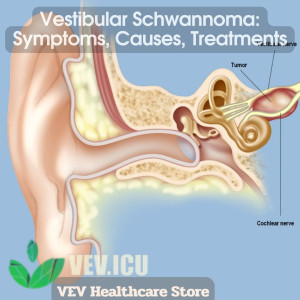
- 05 July 2023 16:40:14
- Views: 747

Vestibular Schwannoma: Symptoms, Causes, Treatments
Vestibular schwannoma, also known as acoustic neuroma, is a benign and slow-growing tumor that
originates from the Schwann cells of the vestibular nerve. Primarily affecting the eighth cranial nerve,
these tumors develop within the internal auditory canal and may gradually extend into the cerebellopontine
angle. This essay provides an in-depth examination of vestibular schwannoma, exploring its symptoms,
causes, and available treatments. By understanding the various aspects of this condition, individuals can
make informed decisions about their health and seek appropriate medical care. Through extensive research
and analysis, this essay aims to enhance knowledge and awareness regarding vestibular schwannoma and
its impact on individuals' quality of life.
- Definition and overview of vestibular schwannoma
Vestibular schwannoma, also known as acoustic neuroma, is a benign tumor that arises from the Schwann
cells of the vestibulocochlear nerve, which is responsible for transmitting sound and balance information
from the inner ear to the brain. It typically develops on the vestibular portion of the nerve, near the entrance
to the internal auditory canal. This slow-growing tumor can cause a variety of symptoms, including
hearing loss, tinnitus, dizziness, and balance problems. While the exact cause of vestibular schwannoma
remains unknown, it is commonly associated with a mutation on the NF2 gene. Treatment options for
this condition range from observation and regular monitoring to surgical removal or radiation therapy,
depending on the size and symptoms of the tumor.
- Importance of understanding symptoms, causes, and treatments
Understanding the symptoms, causes, and treatments of vestibular schwannoma is crucial for both patients
and healthcare providers. Symptoms, such as hearing loss, tinnitus, and dizziness, can significantly
impact an individual's quality of life. By being aware of these symptoms, individuals can seek timely
medical attention, leading to early diagnosis and appropriate treatment. Similarly, healthcare providers
need to have a thorough understanding of the underlying causes of vestibular schwannoma to accurately
diagnose patients and devise effective treatment plans. With advancements in medical research, various
treatment options, including surgery, radiation therapy, and observation, are now available. Therefore, a
comprehensive understanding of symptoms, causes, and treatment options plays a vital role in effectively
managing vestibular schwannoma.
In terms of treatment, the management of vestibular schwannoma can vary greatly depending on factors
such as tumor size, location, and the severity of symptoms. One commonly used approach is observation,
particularly for small tumors with minimal or no symptoms. This involves regular monitoring with MRI
scans to track tumor growth over time. However, for larger tumors or those causing significant symptoms,
surgical intervention may be necessary. Surgical options include tumor removal through techniques such
as translabyrinthine, retrosigmoid, or middle fossa approaches. Additionally, radiation therapy methods,
such as stereotactic radiosurgery, may also be employed to control tumor growth and alleviate symptoms.
The choice of treatment is typically based on individualized assessments of the patient's condition and
overall health.
II. Symptoms of Vestibular Schwannoma
One of the main symptoms of vestibular schwannoma is hearing loss, typically occurring in one ear. The
individual may experience difficulty understanding speech or distinguishing sounds, particularly in noisy
environments. Tinnitus, or a constant ringing in the ears, is another common symptom. As the tumor
grows, it can also put pressure on the nearby cranial nerves, leading to a variety of symptoms such as
facial weakness or numbness, unsteady gait, and dizziness or vertigo. These symptoms can significantly
affect an individual's quality of life and may require medical intervention to alleviate and manage their
effects.
- Explanation of the common symptoms experienced by patients
One of the most common symptoms experienced by patients with vestibular schwannoma is hearing loss.
This usually occurs gradually and may affect one ear initially, with the loss of high-pitched sounds. As the
tumor grows, hearing loss can become more significant and may eventually lead to complete deafness in
the affected ear. Another common symptom is tinnitus, which is characterized by a persistent ringing or
buzzing noise in the ear. Vertigo, a spinning or dizzy sensation, is also frequently reported by patients. This
can be accompanied by imbalance, difficulty with coordination, and problems with gait. Other symptoms
may include facial weakness or numbness, headaches, and problems with vision or swallowing.
- Impact of tumor size on symptoms
The impact of tumor size on symptoms of vestibular schwannoma is a crucial factor to consider in
the evaluation and management of this condition. As the tumor grows, it can compress surrounding
structures, such as the vestibulocochlear nerve, resulting in the development of various symptoms. These
can include hearing loss, tinnitus, dizziness, and balance problems. Larger tumors generally cause more
severe symptoms due to their potential to exert greater pressure on nearby structures. Therefore, early
detection and intervention are vital in order to prevent the progression of symptoms and improve patient
outcomes.
- Discussion of symptoms related to hearing loss, tinnitus, imbalance, and facial weakness
Another symptom associated with vestibular schwannoma is hearing loss, which can range from mild
to severe. This occurs due to the tumor's compression or damage to the auditory nerve. Additionally,
individuals with this condition may experience tinnitus, a ringing or buzzing sound in the ears. Imbalance
is another common symptom, as the tumor can affect the vestibular nerve responsible for maintaining
balance. Finally, facial weakness can occur as the tumor presses on the facial nerve, leading to drooping
or paralysis on one side of the face. These symptoms can greatly impact an individual's quality of life and
may require prompt medical intervention.
In addition to surgical options, there are also non-surgical treatments available for vestibular schwannoma.
One such treatment is stereotactic radiosurgery, which involves the use of highly focused radiation
beams to target and destroy tumor cells. This procedure can be highly effective in reducing tumor size
and alleviating symptoms, particularly in smaller tumors. Another non-surgical option is observation,
which involves monitoring the tumor's growth and progression over time. This approach is typically
recommended for elderly patients or those with small, asymptomatic tumors. Ultimately, the choice of
treatment for vestibular schwannoma depends on various factors, including the tumor size, location, and
the individual patient's overall health and preferences.
III. Causes of Vestibular Schwannoma
One of the main causes of Vestibular Schwannoma is the genetic condition called Neurofibromatosis Type
2 (NF2). NF2 is an inherited disorder that leads to the development of tumors in various parts of the body,
including the nerves responsible for hearing and balance. In individuals with NF2, the gene responsible
for regulating tumor growth, known as NF2 gene, is defective, leading to the formation of Schwann cell
tumors. Apart from NF2, exposure to high levels of radiation, especially in the head and neck area, has
also been associated with an increased risk of developing Vestibular Schwannoma. Additionally, certain
rare genetic mutations have been identified as potential causes of the condition in some cases.
- Explanation of the underlying cause of vestibular schwannoma
Vestibular schwannoma, also known as acoustic neuroma, is primarily caused by the growth of a tumor
on the vestibular nerve. This nerve connects the inner ear to the brain and is responsible for transmitting
signals related to balance and hearing. The main underlying cause of vestibular schwannoma is believed
to be genetic mutations, specifically in the NF2 gene. These mutations lead to the uncontrolled growth
of Schwann cells, which are responsible for insulating and supporting nerve cells. As the tumor grows, it
compresses the vestibular nerve and can disrupt the normal functioning of the inner ear. Other factors such
as radiation exposure and a history of neurofibromatosis type 2 can also contribute to the development of
vestibular schwannoma.
- Discussion on genetic predisposition and hereditary factors
Genetic predisposition and hereditary factors also play a crucial role in the development of vestibular
schwannoma. Several studies have shown that individuals with a family history of vestibular schwannomas
are at a higher risk of developing the tumor themselves. The most common hereditary disorder
associated with vestibular schwannoma is called neurofibromatosis type 2 (NF2), which accounts for
approximately 5% of all cases. NF2 is an autosomal dominant genetic disorder caused by mutations
in the NF2 gene. Individuals with NF2 have a significantly increased risk of developing multiple
vestibular schwannomas, as well as other tumors in the brain and spinal cord. Understanding the genetic
predisposition and hereditary factors involved in vestibular schwannoma is critical for both effective
diagnosis and appropriate management of this condition.
- Environmental factors and their role in tumor development
Environmental factors can play a significant role in tumor development, particularly in relation to
vestibular schwannoma. Exposure to certain environmental factors such as ionizing radiation, including
therapeutic radiation for various conditions, has been implicated as a potential risk factor for vestibular
schwannoma development. Additionally, there are suggestions that exposure to certain chemicals or
substances, including pesticides, may increase the risk of developing vestibular schwannoma. Although
the exact mechanisms by which these environmental factors contribute to tumor development are not yet
fully understood, there is a growing body of evidence highlighting the potential influence of environmental
factors on the formation and growth of vestibular schwannoma. Further research is needed to elucidate
the specific pathways and processes involved in this association.
Additionally, surgery is another treatment option for vestibular schwannoma. The goal of surgery is
complete removal of the tumor while preserving the surrounding structures and nerves. However, the
decision to undergo surgery depends on various factors, such as the size and location of the tumor, as well
as the patient's overall health. There are different surgical approaches, including the translabyrinthine
approach, retrosigmoid approach, and middle fossa approach. Each approach has its advantages and
disadvantages, and the choice depends on factors such as tumor size and location. The surgery can be
performed using traditional open techniques or minimally invasive techniques, such as endoscopic or
robotic-assisted surgery. Although surgery carries risks, including hearing loss and facial nerve damage,
it remains an effective treatment option for vestibular schwannoma when appropriate.
IV. Risk Factors Associated with Vestibular Schwannoma
One of the significant risk factors associated with vestibular schwannoma is neurofibromatosis type 2
(NF2), which is a genetic disorder characterized by the growth of tumors on the nerves responsible
for transmitting sound and balance information from the inner ear to the brain. Approximately 5-10%
of vestibular schwannoma cases are attributed to NF2. Individuals with NF2 often develop bilateral
vestibular schwannomas, meaning they develop tumors on both sides of the head. Moreover, age is also a
potential risk factor for vestibular schwannoma, as the incidence of this tumor tends to increase with age,
with the highest prevalence found in individuals aged 30 to 60.
- Identification of risk factors that increase the chances of developing a vestibular schwannoma
In addition to genetic predisposition, several risk factors have been identified that can increase the
chances of developing a vestibular schwannoma. One well-established risk factor is exposure to ionizing
radiation, such as radiation therapy for other head and neck tumors. Specifically, high-dose radiation
treatments at a younger age have been found to significantly increase the risk. Additionally, individuals
with certain genetic disorders, such as neurofibromatosis type 2, are at a higher risk of developing
vestibular schwannomas. Other factors, such as a family history of the condition or a personal history
of meningioma, have also been linked to an increased susceptibility to vestibular schwannoma.
- Age and gender demographics
Age and gender demographics play a significant role in the development and prognosis of vestibular
schwannoma. Studies have shown that this tumor predominantly affects individuals between the ages
of 30 and 60, with the incidence peaking in the fifth and sixth decades of life. Moreover, there is a
noticeable gender disparity, as this condition tends to affect females more frequently than males. The
reasons for these age and gender trends are still not fully understood, but hormonal influences and genetic
predisposition have been proposed as potential factors. Understanding these demographics is crucial
for early detection, accurate diagnosis, and appropriate treatment planning for patients with vestibular
schwannoma.
- Occupational and lifestyle risk factors
Occupational and lifestyle risk factors have been suggested as potential contributors to the development
of vestibular schwannoma. Excessive exposure to loud noises, such as working in industries with high
noise levels or regularly attending loud concerts, has been proposed as a risk factor due to its potential to
cause damage to the auditory system. Furthermore, certain occupations that involve prolonged use of cell
phones or other devices emitting electromagnetic radiation have also been investigated as potential risk
factors. Additionally, factors such as smoking, excessive alcohol consumption, and a sedentary lifestyle
have been associated with increased risk of developing vestibular schwannoma. Further research is needed
to fully understand the role of these various occupational and lifestyle factors in the development of this
condition.
In conclusion, Vestibular Schwannoma is a benign tumor that arises from the Schwann cells of the
vestibular nerve. Although this tumor is typically slow-growing, the symptoms can be debilitating and
impact one's quality of life. The exact cause of Vestibular Schwannoma is still unknown, but studies
suggest a genetic predisposition and exposure to certain radiation. Various treatment options are available,
including surgery, radiation therapy, and observation. The choice of treatment depends on factors such as
tumor size, growth rate, and the individual's overall health. Future research should focus on developing
less invasive treatment modalities and improving the overall outcomes for patients with Vestibular
Schwannoma.
V. Diagnostic Process for Vestibular Schwannoma
The diagnostic process for vestibular schwannoma typically involves several steps to accurately assess
the presence and extent of the tumor. Initially, a comprehensive medical history is obtained, followed by
a physical examination and a detailed assessment of the patient's symptoms. Neurological evaluations,
including audiometric tests, are also carried out to evaluate hearing loss and determine if it is related
to the tumor. Diagnostic imaging techniques, such as magnetic resonance imaging (MRI) and computed
tomography (CT) scans, are crucial in confirming the diagnosis and identifying the size and location of the
tumor. In some cases, additional tests, such as electronystagmography and vestibular evoked myogenic
potentials, may be employed to assess vestibular function and aid in diagnosis.
- Explanation of the steps involved in diagnosing the condition
Diagnosing the condition of vestibular schwannoma involves multiple steps to accurately identify the
presence and severity of the tumor. Firstly, a comprehensive medical history is obtained from the patient,
with particular attention to symptoms related to hearing loss, balance issues, and tinnitus. Following
this, a physical examination is conducted, including a thorough evaluation of the patient's cranial nerve
function. The next step involves diagnostic tests such as audiometry and imaging studies like magnetic
resonance imaging (MRI) or computed tomography (CT) scan. These tests allow for the visualization of
the tumor and aid in determining its location and size. Finally, a definitive diagnosis is made based on the
interpretation of the patient's symptoms, physical examination findings, and imaging results.
- Physical examination and medical history assessment
Physical examination and medical history assessment are crucial steps in diagnosing vestibular schwannoma.
The physical examination involves assessing the patient's hearing function, balance, and coordination
through various tests such as the Romberg test and Dix-Hallpike maneuver. Additionally, the healthcare
provider will take a detailed medical history, focusing on any auditory or neurological symptoms experienced
by the patient. This evaluation helps in ruling out other conditions and determining the presence
of schwannoma. Moreover, a thorough understanding of the patient's medical history aids in identifying
potential risk factors and determining the most appropriate treatment options for the individual.
- Imaging tests such as MRI and CT scans
Imaging tests such as magnetic resonance imaging (MRI) and computed tomography (CT) scans play a
crucial role in diagnosing vestibular schwannoma. These tests provide detailed images of the inner ear
structures and help identify the presence, location, and size of the tumor. MRI, utilizing magnetic fields
and radio waves, allows for a comprehensive examination of the affected area, providing high-resolution
images that assist in differentiating schwannomas from other conditions. CT scans, on the other hand,
employ X-rays to create cross-sectional images of the head, offering valuable information about bone
erosion or any accompanying complications. By utilizing these advanced imaging techniques, healthcare
professionals can accurately diagnose vestibular schwannoma and tailor the best treatment options for
patients.
- Possible need for a biopsy
In some cases, a biopsy may be necessary to confirm a diagnosis of vestibular schwannoma. While
imaging tests such as MRI can provide valuable information, they do not always offer a definitive
diagnosis. A biopsy involves taking a small sample of tissue from the tumor and examining it under
a microscope. This procedure can help determine whether the tumor is benign or malignant and can
provide information about its growth rate and potential for spreading. Although biopsies are generally
safe and well-tolerated, they are not routinely performed for vestibular schwannomas due to their sensitive
location near important nerves. The decision to perform a biopsy is typically made on a case-by-case
basis, considering factors such as the patient's overall health and the specific characteristics of the tumor.
Vestibular Schwannoma is a non-cancerous tumor that develops on the eighth cranial nerve, also known
as the vestibulocochlear nerve. This nerve is responsible for transmitting sound and balance information
from the inner ear to the brain. Common symptoms of vestibular schwannoma include tinnitus, hearing
loss, dizziness, and balance problems. The exact cause of this condition is unknown, but most cases are
believed to be caused by a genetic predisposition. Treatment options for vestibular schwannoma depend
on the size and location of the tumor, and can range from observation to surgical removal or radiation
therapy. Early detection and intervention play a crucial role in improving patient outcomes.
VI. Treatment Options for Vestibular Schwannoma
There are several treatment options available for vestibular schwannoma, depending on the size and
growth rate of the tumor, as well as the patient's overall health. One of the most common treatments is
surgery, which involves removing the tumor completely. This can be done through various approaches,
such as the translabyrinthine or retrosigmoid approach. Another treatment option is radiation therapy,
which involves using high-energy radiation to destroy the tumor cells. This can be done using stereotactic
radiosurgery or fractionated radiation therapy. Lastly, in some cases, observation may be recommended,
especially for small tumors that are not causing significant symptoms. Regular monitoring is necessary
in these cases to ensure that the tumor does not grow and require further intervention.
- Overview of the available treatment options
There are various treatment options available for vestibular schwannoma, depending on the size, location,
and growth rate of the tumor, as well as the patient's overall health and preferences. The primary treatment
options for vestibular schwannoma include observation, surgery, and radiation therapy. Observation, also
known as watchful waiting, is often recommended for small tumors that are not causing significant
symptoms. Surgery involves the removal of the tumor, and it can be performed through various approaches
depending on the size and location of the tumor. Radiation therapy, on the other hand, aims to shrink or
control tumor growth by using high-energy beams to target and destroy the tumor cells. Each treatment
option has its own benefits and risks, and the choice of treatment should be tailored individually to the
patient's specific condition and preferences.
- Observation and monitoring for small tumors
Observation and monitoring plays a crucial role in the management of small tumors such as vestibular
schwannomas. Regular imaging studies, such as magnetic resonance imaging (MRI), are essential to
assess tumor growth and detect any potential changes. This enables healthcare professionals to closely
monitor the tumor's progression, size, and location over time. Observation allows for the evaluation of
symptoms and the identification of any potential treatment options that may become necessary if the tumor
continues to grow or causes significant discomfort. Additionally, monitoring small tumors allows for the
timely initiation of appropriate interventions to prevent complications and enhance patient outcomes.
- Surgical removal and its various techniques (e.g., translabyrinthine, retrosigmoid)
Surgical removal plays a critical role in the treatment of vestibular schwannoma. Various surgical techniques
have been developed to address the specific needs and characteristics of each case. Two commonly
employed techniques are translabyrinthine and retrosigmoid approaches. The translabyrinthine approach
involves removing the tumor through the inner ear, sacrificing hearing function in the affected ear. On
the other hand, the retrosigmoid approach is less invasive and targets the tumor from the posterior fossa,
preserving hearing in some cases. Choosing the appropriate technique depends on factors such as tumor
size, location, patient age, and overall health. Thus, surgeons must carefully assess each case to determine
the most suitable surgical approach for vestibular schwannoma removal.
- Stereotactic radiation therapy as an alternative to surgery
Stereotactic radiation therapy has emerged as a viable alternative to surgery for the treatment of vestibular
schwannoma. This non-invasive technique uses precisely targeted beams of radiation to destroy the tumor
cells, while minimizing damage to healthy surrounding tissues. The results of several studies have shown
that stereotactic radiation therapy is effective in controlling tumor growth and preserving hearing in
patients with small to moderate-sized vestibular schwannomas. Moreover, this treatment option offers the
advantage of avoiding the potential complications associated with surgery, such as infection or damage
to adjacent structures. While larger tumors may not be suitable for this approach, stereotactic radiation
therapy has proven to be a promising alternative for patients seeking a less invasive treatment option.
In conclusion, vestibular schwannoma is a benign tumor that primarily affects the vestibular nerve, causing
a wide range of symptoms such as hearing loss, tinnitus, and balance problems. The exact causes of
this tumor are still unknown, although genetic factors and exposure to radiation have been suggested as
potential risk factors. Various treatment options are available, depending on the size and location of the
tumor, including observation, radiosurgery, and surgical removal. While these treatments can be effective
in improving symptoms and preventing further growth, it is important to accurately diagnose and monitor
vestibular schwannoma to ensure early intervention and minimize potential complications.
VII. Risks and Complications of Treatment
Although the treatment options for vestibular schwannoma are aimed at preserving neurological function
and promoting quality of life, they are not without risks and potential complications. One potential
complication of surgery is hearing loss, as the tumor may be intertwined with the auditory nerve.
Additionally, facial paralysis or weakness can occur due to damage to the facial nerve during surgical
tumor removal. Radiation therapy can also pose risks, such as damage to nearby healthy brain tissue and
the potential for the tumor to grow back. Careful consideration of the potential risks and complications
is essential when deciding on the most suitable treatment approach for each individual case.
- Discussion of potential risks and complications associated with different treatment options
One crucial aspect to consider when discussing potential treatment options for vestibular schwannoma
are the associated risks and complications. Surgery, specifically the microsurgical resection, carries the
risk of damage to the facial nerve, which can result in facial weakness or paralysis. Additionally, there is
a possibility of hearing loss if the tumor is large or if it is necessary to sacrifice the hearing nerve during
the procedure. Radiosurgery, although a non-invasive option, may lead to short-term side effects such
as headache, nausea, and fatigue. Long-term risks of radiosurgery include radiation necrosis and tumor
regrowth. Therefore, it is of utmost importance for patients and their healthcare providers to thoroughly
discuss and weigh these risks and complications in order to make informed treatment decisions.
- Impact on hearing, balance, and facial nerve function
Vestibular schwannoma, also known as acoustic neuroma, is a benign tumor that originates from the
vestibular nerve. As the tumor grows, it can gradually affect the neighboring structures, resulting in
various symptoms. One significant impact is on hearing, as the tumor typically compresses the cochlear
nerve, leading to gradual hearing loss. Additionally, it can affect balance by interfering with the vestibular
nerve, causing unsteadiness and difficulty in maintaining equilibrium. Moreover, the tumor's proximity
to the facial nerve can result in facial weakness or paralysis, affecting facial expressions and leading
to difficulties in speaking and swallowing. These impairments can have a significant impact on an
individual's overall quality of life and necessitate appropriate treatments to minimize their effects.
- Long-term effects and potential recurrence of the tumor
Long-term effects and potential recurrence of the tumor are crucial aspects to consider when assessing
patients with vestibular schwannoma. While many individuals experience significant improvement in
symptoms after surgical intervention, there are cases where adverse effects may persist. These long-term
effects may include hearing loss, facial weakness, and disturbances in balance and coordination. Additionally,
the potential for tumor recurrence poses a significant concern, particularly in patients with
large tumors, indicating the necessity for close monitoring and regular follow-up appointments. By
understanding the long-term consequences and recurrence potential, healthcare professionals can develop
proactive strategies to optimize patient outcomes and provide effective management for those affected by
vestibular schwannoma.
One of the most common symptoms associated with vestibular schwannoma is hearing loss. As the tumor
grows, it can put pressure on the auditory nerve, leading to a gradual loss of hearing in one ear. This
hearing loss is often accompanied by tinnitus, a ringing or buzzing sensation in the affected ear. Other
symptoms may include dizziness, imbalance, and difficulties with coordination. Vestibular schwannoma
is typically caused by a genetic mutation, but the exact cause is not yet fully understood. Treatment
options vary depending on the size and location of the tumor and may include surgery, radiation therapy,
or observation.
VIII. Rehabilitation and Support for Vestibular Schwannoma Patients
Rehabilitation and support play vital roles in helping vestibular schwannoma patients achieve the best
possible outcomes. Due to the potential impact of surgery or radiation treatment on the vestibular system,
individuals may experience balance and coordination issues that necessitate rehabilitation. Vestibular
rehabilitation therapy, consisting of customized exercises and maneuvers, aims to promote adaptation
and compensation for the impaired inner ear function. This therapy helps patients regain their balance,
reduces dizziness, and improves overall quality of life. Additionally, support groups and counseling are
crucial for patients, as the diagnosis and treatment of vestibular schwannoma can lead to emotional distress
and anxiety. These resources provide patients with a platform to share experiences, gain knowledge, and
receive emotional support, ultimately assisting in their rehabilitation journey.
- Importance of rehabilitation and support programs for patients post-treatment
Rehabilitation and support programs play a crucial role in the post-treatment phase for patients with
vestibular schwannoma. These programs provide necessary assistance and guidance to patients in their
journey towards recovery and adjustment to their new normal. Through physical therapy, patients can
regain their balance and coordination skills, enhancing their overall quality of life. Additionally, support
programs offer emotional and psychological support, allowing patients to cope with the challenges and
changes they experience after treatment. By emphasizing the importance of rehabilitation and support,
healthcare professionals can ensure a comprehensive and holistic approach to the care of vestibular
schwannoma patients.
- Physical therapy for balance and coordination improvement
Physical therapy is a foundational component in the rehabilitation and management of vestibular schwannoma.
One of the main goals of physical therapy is to optimize balance and coordination in patients.
By utilizing specific exercises and techniques, physical therapists target the vestibular system, which
plays a crucial role in balance. They also focus on improving proprioception, postural control, and
muscle strength, all of which are essential for maintaining balance and coordination. Physical therapy
interventions may include balance training exercises, gait training, and vestibular rehabilitation exercises.
Additionally, physical therapists may employ manual techniques to reduce dizziness and improve overall
functional abilities in patients undergoing treatment for vestibular schwannoma.
- Psychological support for coping with hearing loss and facial weakness
Psychological support plays a crucial role in helping individuals cope with the challenges of hearing loss
and facial weakness resulting from vestibular schwannoma. The emotional impact of these symptoms
can be overwhelming, leading to feelings of isolation, frustration, and anxiety. Providing psychological
support helps individuals develop effective coping strategies, such as seeking therapy to address the
emotional toll, joining support groups to connect with others facing similar challenges, and promoting
self-care practices to enhance overall well-being. Taking a holistic approach to treatment that includes
psychological support is essential in fostering resilience and improving the quality of life for individuals
with vestibular schwannoma.
Vestibular schwannoma, also known as acoustic neuroma, is a benign tumor that arises from the Schwann
cells of the vestibular nerve. Although uncommon, this condition can lead to significant complications if
left untreated. Symptoms of vestibular schwannoma include hearing loss, tinnitus, vertigo, and imbalance.
The exact cause of this tumor is unknown, but several factors such as genetic predisposition and exposure
to loud noises have been implicated. Treatment options include watchful waiting, radiation therapy, and
surgical removal. Each treatment choice has its own risks and benefits, and a multidisciplinary approach
is crucial in managing this condition effectively.
IX. Research and Advancements in Vestibular Schwannoma Treatment
Research and advancements in vestibular schwannoma treatment have significantly impacted the management
of this condition. As medical technology continues to advance, there have been notable improvements
in surgical techniques, such as the implementation of minimally invasive procedures and the use of
intraoperative monitoring to reduce the risk of complications. Additionally, the development of targeted
therapies and radiation techniques, such as stereotactic radiosurgery, has provided alternative treatment
options for patients who may not be suitable candidates for surgery. These advancements have not only
improved patient outcomes but have also led to a better understanding of the disease itself, allowing for
more personalized and effective treatment plans.
- Overview of ongoing research and studies
Researchers from various institutions around the world are currently conducting ongoing studies and
research to gain a better understanding of vestibular schwannoma. These studies aim to shed light on
various aspects, including the development, progression, and treatment of this condition. Researchers are
exploring different diagnostic tools and techniques to improve early detection and accurate diagnosis.
Additionally, current investigations focus on identifying the causes and risk factors associated with
vestibular schwannoma. The ultimate goal is to develop effective treatment strategies that ensure the best
possible outcomes for patients, whether through surgical interventions, radiation therapy, or the use of
medications. Ongoing research and studies provide hope for improved knowledge and management of
vestibular schwannoma, benefiting both patients and healthcare providers.
- Promising advancements in treatment options
One of the most promising advancements in treatment options for vestibular schwannoma is the use
of stereotactic radiosurgery. This non-invasive technique delivers high doses of radiation directly to the
tumor, with the goal of shrinking or eliminating it. Studies have shown that stereotactic radiosurgery
is effective in controlling tumor growth and reducing symptoms in a significant number of patients.
Another advancement is the development of targeted therapies that aim to specifically target the molecular
pathways involved in tumor growth. These therapies have shown promising results in preclinical studies
and are currently being investigated in clinical trials. Overall, these advancements offer hope for improved
outcomes and quality of life for patients with vestibular schwannomas.
- Potential impact on improving patient outcomes and quality of life
The potential impact of improving patient outcomes and quality of life in the context of vestibular
schwannoma cannot be overstated. Firstly, advancements in treatment options such as microsurgery,
stereotactic radiosurgery, and radiotherapy have shown promising results in terms of tumor control and
preserving neurological function. These advancements allow for more precise and targeted treatment,
minimizing the risk of complications and positively affecting patient outcomes. Additionally, strategies
aimed at improving postoperative care, including comprehensive rehabilitation programs and psychological
support, can greatly enhance patients' quality of life by addressing physical, emotional, and
cognitive impairments. By continuously striving for improved patient outcomes and quality of life, we
can significantly enhance the management and overall well-being of individuals affected by vestibular
schwannoma.
Vestibular schwannoma is a benign tumor that develops on the vestibular nerve, which connects the inner
ear to the brainstem. The most common symptoms of this condition include gradual hearing loss, tinnitus,
and imbalance. While the exact cause of vestibular schwannoma is unknown, it is believed that genetic
mutations may play a role in its development. Treatment options for this tumor range from watchful
waiting to surgery, depending on the size and growth rate of the tumor, as well as the patient's age and
overall health. In some cases, radiation therapy may be used as a less invasive alternative to surgery.
X. Conclusion
In conclusion, vestibular schwannoma is a rare but potentially dangerous tumor affecting the nerve
responsible for balance and hearing. The symptoms of this condition can vary greatly depending on the
size and location of the tumor, and may include hearing loss, tinnitus, dizziness, and facial weakness.
While the exact cause remains unknown, some risk factors such as genetic mutations and exposure
to radiation have been identified. Various treatment options are available, including surgery, radiation
therapy, and watchful waiting. The choice of treatment depends on several factors, such as the patient's
age, overall health, and tumor size. It is important for patients with vestibular schwannoma to work
closely with their healthcare professionals to determine the most appropriate treatment approach for their
individual case.
- Summary of key points discussed
In summary, this essay has discussed the key points related to vestibular schwannoma, a benign tumor that
affects the vestibular nerve. Firstly, the essay has highlighted the various symptoms associated with this
condition, such as hearing loss, tinnitus, and balance problems. Secondly, it has examined the possible
causes of vestibular schwannoma, including genetic factors and exposure to loud noise. Thirdly, the essay
has explored the available treatment options for this tumor, which range from observation to surgery and
radiation therapy. Overall, this essay has provided a comprehensive overview of the symptoms, causes,
and treatments related to vestibular schwannoma.
- Importance of early detection and treatment for better prognosis
Early detection and treatment of vestibular schwannoma is crucial for achieving a better prognosis. Swift
identification of the tumor provides the opportunity for timely intervention, allowing medical professionals
to implement appropriate treatment strategies. Early detection not only improves the patient's chances
of survival, but it also increases the likelihood of preserving important neurological functions. By promptly
addressing vestibular schwannoma, medical professionals can minimize or prevent potentially severe
complications, such as hearing loss, facial paralysis, and balance problems. Consequently, individuals
who receive early treatment have a higher likelihood of experiencing a favorable outcome, enhancing
their quality of life and overall prognosis.
- Encouragement for further research and continued support for vestibular schwannoma patients.
Encouragement for further research and continued support for vestibular schwannoma patients is crucial
in order to improve the understanding and treatment of this condition. Currently, there is limited research
available on the long-term effects and outcomes of different treatment options for vestibular schwannoma.
Further research is needed to investigate the effectiveness of new treatment modalities and to explore
potential interventions to minimize the side effects of current treatments. Additionally, continued support
for vestibular schwannoma patients is necessary to provide a comprehensive approach to their care,
including physical therapy, psychological support, and assistance in adjusting to post-treatment changes.
Bibliography
- Ronda Hughes. 'Patient Safety and Quality.' An Evidence-based Handbook for Nurses, Agency for
Healthcare Research and Quality, U.S. Department of Health and Human Services, 1/1/2008
- Sidney Pestka. 'Recent Advances in Cancer Research and Therapy.' Xin-Yuan Liu, Elsevier, 5/18/2012
- Diana Greene Foster. 'The Turnaway Study.' Ten Years, a Thousand Women, and the Consequences
of Having—or Being Denied—an Abortion, Simon and Schuster, 6/1/2021
- Takanori Fukushima. 'Advances in Vestibular Schwannoma Microneurosurgery.' Improving Results
with New Technologies, Luciano Mastronardi, Springer, 1/25/2019
- Durga Kumawat. 'Acoustic Neuroma.' via tolino media, 5/12/2023
- William Smith. 'Exercises for Better Balance.' The Stand Strong Workout for Fall Prevention and
Longevity, Hatherleigh Press, 12/13/2016
- Hellen Gelband. 'Disease Control Priorities, Third Edition (Volume 9).' Improving Health and
Reducing Poverty, Dean T. Jamison, World Bank Publications, 12/6/2017
- Nicolas Perez-Fernandez. 'Gaze and Postural Stability Rehabilitation.' Leonardo Manzari, Frontiers
Media SA, 11/25/2022
- Maria Alma Rodriguez. 'Advances in Cancer Survivorship Management.' Lewis E. Foxhall, Springer,
10/11/2014
- T. Newell Decker. 'An Essential Guide to Hearing and Balance Disorders.' R. Steven Ackley,
Psychology Press, 3/29/2018
- John T. Gorczyca. 'Displaced Femoral Neck Fractures.' A Case-Based Approach, Springer Nature,
10/15/2021
- Angela M Clubb. 'Diabetes.' Take Control Of Your Disease Through Nutrition and Journaling, Amazon
Digital Services LLC - KDP Print US, 7/8/2020
- Samuel T. Chao. 'Stereotactic Radiosurgery and Stereotactic Body Radiation Therapy.' A Comprehensive
Guide, Daniel M. Trifiletti, Springer, 6/27/2019
- Alfredo Quinones-Hinojosa. 'Schmidek and Sweet: Operative Neurosurgical Techniques.' Schmidek
and Sweet: Operative Neurosurgical Techniques E-Book, Elsevier Health Sciences, 4/22/2021
- Susan G. Shipstead. 'Through the Looking Glass.' Observations in the Early Childhood Classroom,
Sheryl Nicolson, Prentice Hall, 1/1/1998
- Adrienne Youdim. 'The Clinician’s Guide to the Treatment of Obesity.' Springer, 4/1/2015
- Renzo Brun del Re. 'Minimally Invasive Breast Biopsies.' Springer Berlin Heidelberg, 10/12/2009
- Birendra Kishore Das. 'Positron Emission Tomography.' A Guide for Clinicians, Springer, 12/4/2014
- Carolyn Jarvis. 'Physical Examination and Health Assessment –.' Elsevier Health Sciences, 3/9/2015
- M.A. Hayat. 'Tumors of the Central Nervous System, Volume 7.' Meningiomas and Schwannomas,
Springer Science & Business Media, 2/22/2012
- Kevin P. McSweeney. 'Correlation of Recorded Injury and Illness Data with Lifestyle/non-occupational
Risk Factors (smoking and Exercise) and Absolute Aerobic Capacity.' Texas A & M University,
1/1/1995
- M. Tevfik Dorak. 'Environmental Factors, Genes, and the Development of Human Cancers.' Deodutta
Roy, Springer Science & Business Media, 9/11/2010
- Rahel A. Kubik-Huch. 'Diseases of the Brain, Head and Neck, Spine 2020–2023.' Diagnostic Imaging,
Juerg Hodler, Springer Nature, 2/14/2020
- Eleanor Weinstein. 'Handbook of Outpatient Medicine.' Elana Sydney, Springer Nature, 1/1/2023
- Jacques Morcos. 'Vestibular Schwannoma: Evidence-based Treatment, An Issue of Otolaryngologic
Clinics.' Fred F. Telischi, Elsevier Health Sciences, 4/23/2012
- David A. Tomb. 'ADHD.' A Guide to Understanding Symptoms, Causes, Diagnosis, Treatment, and
Changes Over Time in Children, Adolescents, and Adults, Paul H. Wender, Oxford University Press,
1/1/2017
People also ask
What are the hints of vestibular schwannoma?
What are the symptoms of schwannoma in the ear?
What is the most common presentation of vestibular schwannoma?
What are the red flags for vestibular schwannoma?
What was your first symptom of acoustic neuroma?
What is the gold standard for diagnosis of vestibular schwannoma?
Can you see vestibular schwannoma on MRI?
How fast does vestibular schwannoma grow?
What does schwannoma pain feel like?
Can you live a long life with acoustic neuroma?
Is tinnitus due to schwannoma?
Is schwannoma hard or soft?
Should I be worried about a schwannoma?
Is vestibular schwannoma a brain tumor?
Buyers Online
- Customer placed a new order for Gidazepam ІС 20 mg 20 tablets — Made in Ukraine — Free Delivery
- Customer from Doral logged in
- Customer from Port Charlotte registered for an account
- Customer from London registered for an account
- Customer from DUBLIN 7 registered for an account
- Customer from Kennesaw registered for an account
- Customer from Riga registered for an account
- Customer placed a new order for Galstena oral drops 50 ml — Made in Austria — Free Delivery
- Customer placed a new order for CEREBROLYSIN 10ML 5 VILAS - MADE IN AUSTRIA - FREE SHIPPING
- Customer placed a new order for Duxet 60mg 28 capsules — Made in Turkey — Free Delivery
- Customer placed a new order for 2 x MAXIGRA GO 25MG 4 TABS — MADE IN POLAND — FREE SHIPPING
- Customer placed a new order for 2 x FOTIL EYE DROPS 5ML — MADE IN FINLAND — FREE SHIPPING
- Customer from Maple Ridge updated their account details
- Customer from Maple Ridge logged in
- Customer from Gilmanton logged in
- Customer from Lake Stevens logged in
- Customer placed a new order for Lidocain spray 10% 38g — Made in Hungary — Free Delivery
- Customer placed a new order for Soleron 100mg 30 tablets — Made in Ukraine — Free Delivery
- Customer from Gilmanton logged in
- Customer from Founex logged in
Bestsellers









Featured