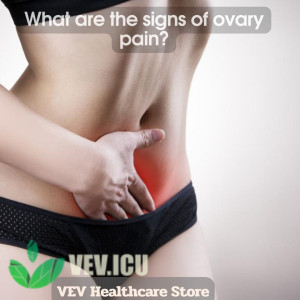
What are the signs of ovary pain?

- 23 may 2023 06:04:48
- Views: 975

What are the signs of ovary pain?
Ovarian pain may be a common issue for women who experience discomfort in the lower abdomen
or pelvic area. The ovaries are a critical part of the female reproductive system and play a vital role
in producing hormones and regulating menstrual cycles. Pain in the ovaries could be indicative of an
underlying issue. Some of the common signs associated with ovary pain include bloating, cramping,
nausea, or irregular menstrual cycles. In some cases, this pain could be due to an ovarian cyst, endometriosis,
or pelvic inflammatory disease. With significant advancements in medical research and screening
techniques, the diagnosis of ovarian issues has become more manageable. This essay aims to explore the
signs of ovary pain and some of the common causes of this discomfort.
A. Explanation of ovary pain
Ovary pain, also known as ovarian pain, is a common symptom that affects a vast majority of women at
some point during their reproductive years. Women may experience different types of pain ranging from
a dull ache or a sharp stabbing pain in the lower abdomen, pelvis, or lower back. Ovarian pain is often
related to menstrual cycles, and it may occur before, during, or after menstruation. Additionally, ovary
pain may be caused by an ovarian cyst, endometriosis, pelvic inflammatory disease, ectopic pregnancy
or other reproductive issues. Therefore, it is essential to consult with a healthcare provider if the pain is
severe or persistent, accompanied by fever, nausea, vomiting, or unusual bleeding as these may be signs
of a more serious condition.
B. Importance of recognizing the signs of ovary pain
Recognizing the signs of ovary pain is crucial as it can indicate underlying health issues that require
medical attention. For women, the ovaries play a critical role in reproductive health, and any pain or
discomfort in this area may signal problems such as ovarian cysts, endometriosis, or ovarian cancer.
Ignoring ovary pain could lead to delayed diagnosis and treatment, which may result in serious health
consequences. It is crucial for women to understand their bodies and recognize any changes that could
indicate issues with their reproductive health. Early detection and treatment can often lead to better
outcomes, and seeking medical attention at the first sign of ovary pain is essential. Learning to identify the
signs of ovary pain and seeking prompt medical attention can help women safeguard their reproductive
health and prevent serious consequences.
Other possible causes of ovary pain include ovarian cysts, endometriosis, pelvic inflammatory disease
(PID), and ovarian cancer. Ovarian cysts are fluid-filled sacs that develop on the surface of the ovary and
can cause pain when they rupture or twist. Endometriosis is a condition in which the tissue that lines the
uterus grows outside of it, causing pain and discomfort. PID is an infection of the female reproductive
system that can cause inflammation and pain in the ovaries, among other symptoms. And ovarian cancer,
although relatively rare, can cause abdominal and pelvic pain, as well as other symptoms such as bloating,
increased urination, and changes in bowel habits. It is important to seek medical attention if any of these
signs or symptoms persist or worsen, as early detection and treatment can improve outcomes.
II. Causes of Ovary Pain
There are several possible causes of ovary pain. One common cause is ovarian cysts, which are fluid-filled
sacs that form on the ovaries. These cysts can cause pain if they rupture, bleed, or twist the ovary.
Endometriosis, a condition in which tissue that normally grows inside the uterus grows outside of it, can
also cause ovary pain. This tissue can attach to the ovaries and cause them to become inflamed and painful.
Another potential cause of ovary pain is Polycystic Ovary Syndrome (PCOS), a hormonal disorder in
which the ovaries develop multiple small cysts. In addition, pelvic inflammatory disease (PID), which is
caused by a bacterial infection, can cause inflammation and pain in the ovaries and surrounding tissues.
Overall, it is important to realize that ovary pain can be caused by a range of factors and to seek medical
attention if symptoms persist or worsen.
A. Ovarian Cysts
Ovarian cysts are a common cause of ovary pain. These cysts are fluid-filled sacs that develop on the
ovaries. In most cases, ovarian cysts are small and benign, but in some cases, they can become large
and cause discomfort. Symptoms of ovarian cysts include pain in the lower abdomen, bloating, and a
feeling of fullness. Women may also experience irregular or painful menstrual periods, pain during sex,
and frequent urination. Ovarian cysts are often detected during routine pelvic exams or ultrasounds, and
can be monitored or removed if necessary. In rare cases, ovarian cysts can be cancerous, so it is important
for women to seek medical attention if they experience persistent or severe symptoms.
B. Endometriosis
Another possible cause of ovary pain is endometriosis. This is a common condition that affects approximately
10% of women of childbearing age. Endometriosis occurs when tissue similar to the lining of
the uterus grows outside of the uterus, usually in the pelvic region. The tissue can cause inflammation,
scarring, and pain during menstruation and intercourse. This condition may also result in the formation of
ovarian cysts, which can also lead to ovarian pain. The severity of symptoms can vary among individuals,
and some women may not even experience any symptoms. However, it is essential to seek medical
attention if you suspect that you may have endometriosis, especially because it can have an impact on
fertility in some cases.
C. Polycystic Ovary Syndrome
In addition to acute ovary pain, there are several chronic conditions affecting the ovaries that women
should be aware of. One such condition is Polycystic Ovary Syndrome (PCOS), which affects up to 10%
of women of reproductive age worldwide. PCOS is characterized by an overproduction of androgens, or
male hormones, which leads to irregular ovulation and infertility. In addition to difficulty getting pregnant,
women with PCOS often experience acne, excess hair growth, and weight gain. Treatment options for
PCOS vary depending on the individual case but may include lifestyle changes such as weight loss,
hormonal therapy, or surgery. Women who suspect they may have PCOS or who struggle with infertility
should speak with their healthcare provider for guidance and potential treatment options.
D. Ovarian Torsion
D. Ovarian torsion refers to the twisting of the ovary around its vascular axis, resulting in impaired blood
flow and potentially permanent damage to the ovary. This condition usually presents with severe and
sudden pain on one side of the lower abdomen. The pain may be accompanied by nausea, vomiting,
and fever. Ovarian torsion is a medical emergency that requires immediate intervention to preserve the
affected ovary and prevent complications such as infection, infertility, and cancer. Treatment typically
involves surgery to detangle the twisted ovary and restore blood flow. Delayed diagnosis and treatment of
ovarian torsion can lead to serious consequences, including loss of fertility and serious health problems.
Patients should seek medical attention immediately if they experience sudden and severe pelvic pain or
other symptoms suggestive of ovarian torsion.
E. Ovarian Cancer
Ovarian cancer is the fifth leading cause of cancer deaths among women in the United States. It often goes
unnoticed until it has spread to other organs, making it difficult to treat. The symptoms of ovarian cancer
are very similar to those of other conditions, such as digestive problems, so it can be misdiagnosed. There
is no simple screening test for ovarian cancer, so it is important for women to pay attention to any changes
in their bodies and report them to their healthcare provider. Early detection is key to successful treatment,
so women with a family history of ovarian cancer or other risk factors should be particularly vigilant.
Treatment often involves surgery to remove the affected ovary or ovaries, chemotherapy, or radiation
therapy.
Another potential cause of ovarian pain is ovarian torsion, which occurs when the ovary twists, cutting off
its blood supply. This can cause severe pain on one side of the abdomen, as well as nausea, vomiting, and
a fever. Ovarian torsion is particularly concerning because if left untreated, it can lead to infertility or even
death of the affected ovary. Another possible source of ovarian pain is endometriosis, a condition where
the tissue that normally lines the uterus grows outside of it. This can cause pain during menstruation and
sex, as well as pelvic pain that can be mistaken for ovarian pain. Women who experience chronic or severe
ovarian pain should seek the advice of a gynecologist to determine the source of their pain and develop
an appropriate treatment plan.
III. Symptoms
: Ovary pain is usually characterized by a sharp or dull ache in the lower abdomen or pelvis, which can
be unilateral or bilateral. Pain may be intermittent or constant, and can range from mild to severe. Some
women may experience pain during sexual intercourse, urination, bowel movements, or menstruation.
Other symptoms that may be associated with ovarian pain include bloating, nausea, vomiting, diarrhea,
constipation, fever, chills, back pain, and vaginal bleeding. In some cases, ovarian pain may be related
to an underlying condition such as ovarian cysts, endometriosis, pelvic inflammatory disease, or ectopic
pregnancy. Therefore, women experiencing persistent ovary pain should consult with their healthcare
provider to determine the underlying cause and receive appropriate treatment.
A. Abdominal Pain
In conclusion, abdominal pain is a common symptom experienced by women with ovary pain. It is
important to understand that the location of pain can vary due to the location of the ovaries. The pain
may feel sharp or dull and can be accompanied by other symptoms such as nausea or bloating. Women
who experience abdominal pain associated with ovary pain should seek medical attention promptly. Early
diagnosis and treatment can prevent serious complications such as ovarian torsion or rupture. Treatment
options for ovary pain may include medication, surgery, or lifestyle changes. It is essential to communicate
any symptoms experienced with a healthcare provider to determine the underlying cause and provide
appropriate treatment.
B. Painful Menstruation
Another common cause of ovary pain is painful menstruation. Also known as dysmenorrhea, painful
menstrual cramps are usually caused by the contraction of the uterus as it sheds its lining during
menstruation. Women with painful periods often describe sharp or cramp-like pain in the pelvic area,
lower back, or legs. Painful menstrual cramps typically occur before or during menstruation and can last
for several hours or several days. Some women experience severe menstrual cramps due to underlying
conditions such as endometriosis or uterine fibroids. These conditions can cause inflammation, pelvic
pain, and discomfort during intercourse. Painful menstruation can be managed with over-the-counter pain
relievers, hormonal birth control, or other treatments recommended by a healthcare provider.
C. Painful Intercourse
C. Painful intercourse is another possible sign of ovary pain. Women who experience ovary pain during
sex often describe intense discomfort or even pain that makes it difficult to enjoy sexual activity.
Painful intercourse can be caused by a variety of factors, including ovarian cysts, endometriosis, pelvic
inflammatory disease, or other conditions that affect the reproductive system. Women who experience
pain during sex should be evaluated by a healthcare provider to determine the underlying cause and
develop an appropriate treatment plan. Depending on the cause of the pain, treatment may involve
medication, surgery, or other interventions. In some cases, lifestyle changes or alternative therapies may
also be recommended to help manage ovary pain and improve sexual health.
D. Nausea and Vomiting
D. Nausea and vomiting are also potential symptoms of ovary pain. When the ovaries become inflamed or
are affected by a cyst or tumor, it can cause discomfort and pain. As a result, some women may experience
nausea and vomiting as a result of this pain. Nausea and vomiting are common symptoms associated with
many medical conditions, and when they occur in combination with ovary pain, it is important to seek
medical attention to determine the underlying cause. Treatment may involve medication to control nausea,
pain relief, or surgical intervention to remove the cyst or tumor. It is important to understand that nausea
and vomiting may not always be present with ovary pain, and that additional symptoms should also be
considered when discussing this condition with a healthcare provider.
E. Abnormal Vaginal Bleeding
Abnormal vaginal bleeding is one of the most common symptoms of ovary pain. There are several
conditions that can cause this symptom, including hormonal imbalances, polyps, fibroids, and infections.
Irregular menstrual cycles, heavy bleeding, spotting between periods, and post-coital bleeding are all
indicative of abnormal vaginal bleeding. If left untreated, this symptom can lead to more serious issues,
such as anemia or infertility. A thorough medical evaluation is necessary to determine the underlying cause
of abnormal vaginal bleeding. Treatment options will depend on the underlying condition and may include
medication, surgery, or lifestyle changes. It is important to seek medical attention if you experience this
symptom to rule out any serious health conditions.
F. Pelvic Discomfort
According to health experts, pelvic discomfort is another common sign of ovary pain that women may
experience. Pelvic discomfort is described as a sensation of pressure or aching in the lower abdominal
area, which could be caused by several conditions such as endometriosis, ovarian cysts, or pelvic
inflammatory disease (PID). Endometriosis is a condition where the tissue that usually lines the inside of
the uterus grows outside of it, causing inflammation and pain. Ovarian cysts are fluid-filled sacs that form
on the ovaries and can cause pelvic discomfort or pain. PID is an infection of the reproductive organs that
can cause severe pelvic pain and discomfort. Women experiencing pelvic discomfort should seek medical
attention to determine the underlying cause and receive appropriate treatment.
In addition to the symptoms mentioned earlier, it is important to consider other factors that may contribute
to ovary pain. For example, ovarian cysts are a common cause of discomfort and can be the result of
hormonal imbalances or abnormal cell growth. Endometriosis, a condition where the tissues that line the
uterus grow outside of it, can also provoke pain in the ovaries. Pelvic inflammatory disease, which often
arises from an untreated sexually transmitted infection, can cause significant inflammation and discomfort
in the reproductive organs as well. It is crucial to seek medical attention if you are experiencing ovary
pain, as it can be an indicator of a serious underlying problem that requires proper treatment.
IV. Diagnosis
is essential for identifying the underlying cause of ovarian pain. A thorough medical examination is
necessary to rule out any physical abnormalities, and tests such as blood work, pelvic ultrasounds, and
hormonal evaluations may be conducted to pinpoint the root cause of the pain. In some cases, laparoscopy
might be required to diagnose conditions such as endometriosis or ovarian cysts accurately. Imaging tests
like CT scans, MRI, and PET scans may also be recommended by the healthcare provider. The diagnosis
process is crucial to determine an effective treatment plan, and it is recommended that individuals seek
medical attention promptly to avoid any complications that may arise from untreated ovarian pain.
A. Medical History
A thorough medical history is essential when diagnosing the source of ovary pain. Medical professionals
will often ask about your menstrual cycle, as well as any history of illnesses or surgeries related to the
reproductive system. It is also important to disclose any sexual activity and use of birth control, as this can
affect the ovaries. Additionally, a family history of ovarian conditions such as endometriosis or ovarian
cancer should be discussed. Information about past pregnancies and childbirths can also be important in
diagnosing ovary pain. Overall, a complete medical history can provide valuable insight into the possible
causes of ovary pain and guide medical professionals toward an accurate diagnosis and treatment plan.
B. Pelvic Exam
Another important diagnostic tool for detecting ovary pain is a pelvic exam. The pelvic exam is usually
performed by a gynecologist and involves manually examining the reproductive organs, including the
uterus, ovaries, and fallopian tubes, through the vaginal opening. During the exam, the healthcare provider
will look for any abnormalities, such as cysts or masses, and check for tenderness or pain in the ovaries.
The exam may also reveal other potential sources of pain, such as pelvic inflammatory disease or
endometriosis. While the pelvic exam can provide important diagnostic information, it is important to
note that it can be uncomfortable or even painful for some patients. It is always important to communicate
with your healthcare provider about any concerns or discomfort during the exam.
C. Imaging Tests
C. Imaging tests can provide invaluable information in identifying the source of ovary pain. Ultrasonography
is a standard non-invasive test that uses high-frequency sound waves to create images of the ovaries. It
is especially useful in detecting the presence of cysts, tumors, and other structural abnormalities. Magnetic
resonance imaging (MRI) uses a magnetic field and radio waves to create detailed images of the pelvis,
providing even greater clarity in identifying masses or lesions. Computed tomography (CT) scans take
cross-sectional images of the abdomen and pelvis and can detect signs of inflammation or infection. While
imaging tests can provide vital diagnostic information, not all sources of ovary pain can be visualized
using these methods, and a thorough medical evaluation by a healthcare professional is necessary to
determine proper treatment.
In summary, ovarian pain or discomfort is often a result of various medical conditions affecting the
reproductive system. It can range from mild to severe pain and could be associated with symptoms such
as nausea, bloating, and irregular menstrual cycles. It is important to consult a healthcare provider if
experiencing recurring or severe pain as it can indicate a serious underlying medical condition such
as ovarian cysts, endometriosis, or ovarian cancer. Diagnosis typically involves a pelvic exam, medical
history review, and imaging tests such as ultrasounds or MRIs. Treatment options vary depending
on the underlying cause, but may include medication, hormonal therapy, or surgery. It is essential to
communicate any symptoms with a healthcare provider to ensure proper diagnosis and treatment.
V. Treatment
is a crucial aspect of managing ovary pain. The specific treatment depends on the underlying cause of the
pain. For example, if the pain is due to an ovarian cyst, the physician may take a watchful approach to see
if the cyst resolves on its own. In some cases, hormone therapy may be prescribed to shrink the cyst. If the
pain is caused by endometriosis, the physician may recommend surgery or a combination of medication
and lifestyle changes. For those with ovarian cancer, treatment options include surgery, chemotherapy,
and radiation. Pain medication may also be prescribed to manage the discomfort associated with ovary
pain. Patients are encouraged to discuss all treatment options with their healthcare provider and follow
their recommendations for optimal outcomes.
A. Medication
When dealing with ovary pain, medication can offer some relief. Non-steroidal anti-inflammatory drugs
(NSAIDs), such as ibuprofen, can help to reduce pain and inflammation. In some cases, stronger pain
medication may be prescribed by a doctor. Hormonal birth control pills may also be a treatment option
because they can help regulate the menstrual cycle and reduce ovulation-related pain. However, it is
important to note that medication should not be relied upon as the sole treatment for ovary pain. Other
measures, such as lifestyle changes and alternative therapies like acupuncture, may also be helpful. It is
important to seek medical advice if the pain persists or becomes severe, as it may be indicative of a more
serious condition.
B. Surgery
If conservative treatment options do not alleviate the symptoms of ovary pain, surgery may be suggested.
There are various surgical options available depending on the underlying cause of the pain. Laparoscopy is
a minimally invasive surgical procedure that involves making small incisions in the abdomen to view and
potentially repair any abdominal or pelvic issues. In more severe cases, a laparotomy may be required,
which is a larger incision made in the abdomen to access and surgically remove the affected ovary or
cyst. In cases where cancer is suspected, a surgical biopsy may be performed to confirm and determine a
treatment plan. As with any surgical procedure, there are risks and potential complications, and patients
should have an in-depth conversation with their healthcare provider to weigh the benefits and risks of
surgery before making a decision.
C. Hormone Therapy
C. Hormone therapy, also known as hormone replacement therapy (HRT), may be used to treat ovary pain
if it is caused by hormonal imbalances, such as menopause or polycystic ovary syndrome (PCOS). HRT
involves the use of medications that contain estrogen and/or progestin to replace the hormones that are no
longer being produced by the ovaries. This therapy can help alleviate symptoms such as hot flashes, night
sweats, vaginal dryness, and mood swings, which may contribute to ovary pain in some cases. However,
like any form of medication, hormone therapy has potential risks and side effects, including an increased
risk of breast cancer, blood clots, and stroke. Therefore, it is essential to speak with a healthcare provider
about the potential benefits and risks of hormone therapy before beginning treatment.
Ovary pain can have a variety of causes, some of which may be related to the normal menstrual cycle
while others may indicate more serious conditions. One common cause of ovary pain is ovulation, which
occurs when the ovary releases an egg each month. This can cause mild to moderate discomfort on one
side of the lower abdomen that generally resolves within a few hours. However, if the pain persists or is
accompanied by other symptoms such as fever or vomiting, it may be indicative of an ovarian cyst or other
conditions such as endometriosis or pelvic inflammatory disease. It is important to monitor any onset of
ovary pain and seek medical attention if it becomes severe or chronic.
VI. Prevention
Prevention is key when it comes to ovary pain. A healthy lifestyle and diet can play a crucial role in
avoiding pelvic pain. Regular exercise and a balanced diet can help prevent ovarian cysts and other
reproductive issues. Women should also ensure they attend regular gynecological screenings and complete
their prescribed treatment for any underlying medical conditions. It is essential to practice safe sex to
avoid sexually transmitted diseases and their complications like pelvic inflammatory disease, which can
cause severe ovary pain. Lastly, women should not delay seeking medical attention if they experience any
unusual symptoms. Early detection and treatment can prevent complications and reduce the likelihood of
long-term health problems. Overall, prevention is the best way to keep your reproductive system healthy
and pain-free.
A. Healthy Lifestyle
In order to prevent or mitigate ovary pain, it is important to adopt a healthy lifestyle. Regular exercise,
a balanced diet, and adequate sleep are essential components of a healthy lifestyle. Many forms of
exercise can help with overall abdominal health, including pelvic floor exercises, yoga, and walking.
Eating a balanced diet with high fiber content can prevent constipation, which can cause discomfort in
the abdominal and pelvic regions. Finally, getting enough sleep helps regulate hormone levels, which
can affect ovarian health. Additionally, avoiding tobacco and excessive alcohol consumption reduces
inflammation in the body and helps maintain healthy hormone levels. Overall, incorporating healthy habits
into one's lifestyle is crucial for overall health and may prevent or alleviate ovarian pain.
B. Regular Check-ups
B. Regular check-ups are crucial in detecting potential ovarian issues early. As mentioned earlier, ovarian
pain can be a symptom of a variety of conditions ranging from simple menstrual cramps to serious
diseases. Regular visits to a gynecologist for pelvic examinations and screenings can aid in early detection
of any issues and allow for prompt treatment. It is recommended that women schedule yearly pelvic
exams and discuss any abdominal discomfort or pain with their healthcare provider. A comprehensive
health evaluation is necessary to determine underlying conditions that might be responsible for ovarian
pain. Additionally, maintaining a healthy lifestyle can help prevent ovarian pain by reducing the risk for
certain conditions, such as endometriosis and pelvic inflammatory disease.
C. Birth Control
Another important aspect to consider when discussing ovary pain is the role that birth control can play in
managing symptoms. Hormonal birth control options such as the pill, patch, ring, and implant work by
regulating the menstrual cycle and suppressing ovulation. This can be especially helpful for those with
conditions such as PCOS, where ovulation may be irregular and causing pain. Additionally, some forms
of birth control can also reduce cyst formation and decrease inflammation in the pelvis. However, it is
important to consult with a healthcare provider before starting any form of birth control to determine the
best option and discuss any potential side effects. It is also important to note that birth control is not a
cure for all causes of ovary pain and may not be the best course of treatment for everyone.
One of the most common causes of ovary pain is the presence of ovarian cysts. These cysts can develop
on, or near, the ovaries, and they are typically benign. However, if the cysts rupture or twist, they can cause
sharp, intense pain that may require medical intervention. Other potential causes of ovary pain include
endometriosis, pelvic inflammatory disease, and ovarian cancer. In some cases, ovary pain may also be a
symptom of pregnancy, as the developing fetus can put pressure on the ovaries. Regardless of the cause,
persistent or severe ovary pain should always be evaluated by a medical professional to ensure prompt
and appropriate treatment.
VII. Conclusion
In conclusion, ovary pain can signal a variety of underlying conditions, from ovarian cysts and endometriosis
to ectopic pregnancy and cancer. It is important to pay attention to any abnormal sensations
in the pelvic region, especially if they persist or worsen over time. Seeking medical attention is crucial
not only for diagnosis and treatment of the underlying condition but also for potential complications such
as ruptured cysts or pregnancy loss. Additionally, preventative measures such as regular gynecological
exams and contraception use can help identify and manage ovarian issues before they become severe.
Women should not ignore or dismiss ovary pain and should be aware of the various symptoms, risk factors,
and treatment options available to them.
A. Recap of the importance of recognizing ovary pain
In summary, it is highly important to recognize any kind of ovary pain as it can serve as a signal for various
underlying medical conditions. Women should pay close attention to the type, location, and duration of
their pain in order to determine the possible causes. This can aid in identifying the problem early on and
prevent future complications such as infertility. Regular gynecological exams can also aid in the detection
of abnormalities and help ensure overall reproductive health. Ovary pain can be a sign of anything from
a minor menstrual cycle to a life-threatening condition and therefore, should not be ignored. Seeking
medical attention and monitoring symptoms can aid in proper diagnosis and effective treatment. It is
essential for women to prioritize their reproductive health and take note of any changes in their body.
B. Encouragement for seeking medical attention in case of experiencing any of the symptoms.
It is imperative to seek medical attention if one experiences any of the symptoms of ovary pain. Delaying
seeking medical care could lead to a more advanced medical condition, which could become more
challenging to treat. Furthermore, the earlier the diagnosis, the better the chances of effective treatment
and recovery. Women experiencing ovary pain should not feel shy or embarrassed to share their symptoms
with their healthcare provider, as early detection can save lives. Healthcare professionals are trained to
treat such issues with the utmost confidentiality, respect, and professionalism. Seeking medical attention
can also provide peace of mind and ensure that any underlying medical condition is adequately treated.
It is essential to prioritize one's health and well-being by seeking medical care at the first sign of ovary
pain or any other medical condition.
Bibliography
- Peter K. Enns. 'Incarceration Nation.' Cambridge University Press, 3/22/2016
- Peter Engelman. 'A History of the Birth Control Movement in America.' ABC-CLIO, 1/1/2011
- Saskatchewan. Health Services Utilization and Research Commission. Working Group on Routine
Admission Testing. 'Routine Admission Testing Study.' Health Services Utilization and Research
Commission, 1/1/1993
- Marshina Baker. 'Foundations of a Healthy Lifestyle.' Kendall/Hunt Publishing Company, 1/1/2003
- Alice C. Levine. 'Hormones and Cancer: Breast and Prostate, An Issue of Endocrinology and
Metabolism Clinics of North America.' Elsevier Health Sciences, 9/28/2011
- Molly R. McDaniel. 'Medication Reconciliation.' Practical Strategies and Tools for Joint Commission
Compliance, Kristine M. Gleason, HCPro, 1/1/2008
- Theresa M. Campo, DNP, FNP-C, ENP-BC, FAANP. 'Medical Imaging for the Health Care Provider.'
Practical Radiograph Interpretation, Springer Publishing Company, 12/28/2016
- Sandra M. Sulik. 'Primary Care Procedures in Women's Health.' Cathryn B. Heath, Springer Science
& Business Media, 6/3/2010
- Lawrence Tierney. 'The Patient History: Evidence-Based Approach.' Mark Henderson, McGraw Hill
Professional, 6/13/2012
- Fred M. Howard. 'Pelvic Pain.' Diagnosis and Management, Lippincott Williams & Wilkins, 1/1/2000
- Tommaso Falcone. 'Hysteroscopy: Office Evaluation and Management of the Uterine Cavity E-Book.'
Text, Linda D. Bradley, Elsevier Health Sciences, 7/21/2008
- David J. Stewart. 'Nausea and Vomiting.' John Kucharczyk, CRC Press, 10/29/1991
- C. Mikki. 'Men and Sex - Power, Pleasure, Pain.' C.Mikki, 12/1/2010
- B. Lee Peterlin. 'Menstrual Migraine.' Susan Hutchinson, Oxford University Press, 1/28/2008
- Leonardo Kapural. 'Chronic Abdominal Pain.' An Evidence-Based, Comprehensive Guide to Clinical
Management, Springer, 12/3/2014
- Kenneth P. Nephew. 'The Tumor Microenvironment of High Grade Serous Ovarian Cancer.' M. Sharon
Stack, MDPI, 2/6/2019
- Jerrold J. Heindel. 'Polycystic Ovary Syndrome.' R. Jeffrey Chang, CRC Press, 4/3/2002
- David Redwine. '100 Questions & Answers About Endometriosis.' Jones & Bartlett Learning,
10/5/2009
- Mary T. McLennan. 'Pelvic Pain in Women, An Issue of Obstetrics and Gynecology Clinics.' Elsevier
Health Sciences, 9/28/2014
- Tasuku Harada. 'Endometriosis.' Pathogenesis and Treatment, Springer, 8/6/2014
- M. Renaer. 'Chronic Pelvic Pain in Women.' Springer Science & Business Media, 12/6/2012
People also ask
When should I worry about ovary pain?
What are the signs of ovary pain?
What can be mistaken for ovary pain?
Is it bad for your ovaries to hurt?
What are the early warning signs of ovarian cyst?
Why do I have pain in my ovary but no period?
How can I check my ovary?
Am I ovulating ovary pain?
How long does ovary pain last?
Does ovary pain mean PCOS?
Do cancerous ovarian cysts hurt?
What are the symptoms of ovarian Tumour?
Buyers Online
- Customer placed a new order for Gidazepam ІС 20 mg 20 tablets — Made in Ukraine — Free Delivery
- Customer from Doral logged in
- Customer from Port Charlotte registered for an account
- Customer from London registered for an account
- Customer from DUBLIN 7 registered for an account
- Customer from Kennesaw registered for an account
- Customer from Riga registered for an account
- Customer placed a new order for Galstena oral drops 50 ml — Made in Austria — Free Delivery
- Customer placed a new order for CEREBROLYSIN 10ML 5 VILAS - MADE IN AUSTRIA - FREE SHIPPING
- Customer placed a new order for Duxet 60mg 28 capsules — Made in Turkey — Free Delivery
- Customer placed a new order for 2 x MAXIGRA GO 25MG 4 TABS — MADE IN POLAND — FREE SHIPPING
- Customer placed a new order for 2 x FOTIL EYE DROPS 5ML — MADE IN FINLAND — FREE SHIPPING
- Customer from Maple Ridge updated their account details
- Customer from Maple Ridge logged in
- Customer from Gilmanton logged in
- Customer from Lake Stevens logged in
- Customer placed a new order for Lidocain spray 10% 38g — Made in Hungary — Free Delivery
- Customer placed a new order for Soleron 100mg 30 tablets — Made in Ukraine — Free Delivery
- Customer from Gilmanton logged in
- Customer from Founex logged in
Bestsellers









Featured