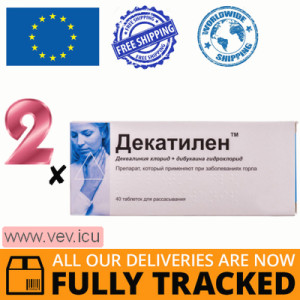
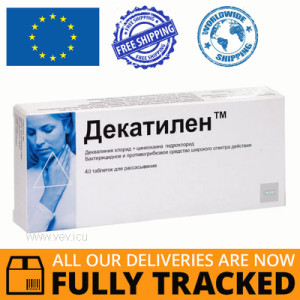
What is Decatylen and How Does it Stop Throat Pain?
Decatylen is a dual-action medicinal lozenge that simultaneously eliminates the biological cause of oral infections and provides rapid relief from pain. It utilizes Dequalinium chloride to destroy a wide range of pathogens—including bacteria and fungi—and Cinchocaine to numb inflamed tissues in the throat and gums. This 20-lozenge course is a cornerstone of 2026 respiratory care for treating sore throats, tonsillitis, and oral thrush, ensuring a fast recovery by targeting the infection directly at its site of entry.
Decatylen lozenges for sore throat are engineered to dissolve slowly, allowing the active ingredients to coat the mucous membranes of the mouth and pharynx. This creates a protective "antiseptic zone" that prevents the infection from traveling deeper into the respiratory system. Because it acts locally, it provides powerful relief without the systemic side effects associated with oral antibiotics or heavy pain medications.
Comparison: Decatylen vs. Standard Antiseptic Lozenges
| Active Ingredients | Dequalinium + Cinchocaine | Usually just Alcohol/Menthol |
| Pain Relief | Immediate Numbing (Anesthetic) | Mild Cooling only |
| Spectrum of Action | Antibacterial + Antifungal | Primarily Antibacterial |
| Sugar Content | Sugar-Free (Safe for Diabetics) | Often contains Glucose/Sucrose |
| Manufacturing | Swiss Pharmaceutical Grade | Often General Consumer Grade |
| 2026 Clinical Usage | Post-op & Severe Infections | Minor throat irritation |
Mechanism of Action: The "Chemical Shield" and "Pain Switch"
To understand how Decatylen works, imagine your throat is a battlefield. Bacteria and fungi are like invaders causing fires (inflammation) and damage (pain). Standard lozenges often just try to "cool" the fire, but they don't stop the invaders.
The Antiseptic Shield (Dequalinium Chloride)
Dequalinium chloride acts as a broad-spectrum antiseptic. It is a highly effective agent that targets the cell walls of harmful microorganisms. When you dissolve a Decatylen lozenge, the Dequalinium surrounds the bacteria and fungi, breaking their protective barriers and causing them to expire. It is particularly effective because it works against "Gram-positive" and "Gram-negative" bacteria, as well as the fungi responsible for oral thrush.
The Pain Switch (Cinchocaine Hydrochloride)
Cinchocaine is a potent local anesthetic. Think of it as a "switch" that temporarily turns off the pain signals traveling from your throat to your brain. Within minutes of the lozenge beginning to dissolve, the Cinchocaine numbs the inflamed area, making it easier to swallow, drink, and speak. This is especially vital for children and adults who lose their appetite due to the intense pain of tonsillitis or mouth sores (stomatitis).
Indications: When is Decatylen Recommended?
This Swiss-made formula is the professional choice for a wide variety of oral and pharyngeal conditions:
Acute Pharyngitis and Tonsillitis: Relieving the "razor-blade" sensation in the throat.
Gingivitis and Stomatitis: Treating inflamed, bleeding gums and painful mouth ulcers.
Oral Thrush (Candidiasis): Eliminating fungal growth in the mouth.
Post-Operative Care: Protecting the mouth and reducing pain after tooth extractions or tonsillectomies.
Bad Breath (Halitosis): Clearing the bacteria responsible for unpleasant odors caused by mouth infections.
Expert Insight 2026: The Shift Toward Localized Therapy
In clinical pharmacy practice throughout 2025–2026, we have observed a critical shift toward "Antibiotic Stewardship." Doctors are now increasingly cautious about prescribing systemic antibiotics for throat infections that can be managed locally. As a pharmacist, I recommend Decatylen because its antiseptic, Dequalinium, is powerful enough to handle many bacterial loads without contributing to global antibiotic resistance. In 2026, the sugar-free formulation of Decatylen is also highly valued, as it does not contribute to dental decay or blood sugar spikes, making it a truly modern, medical-grade solution for every member of the family.
Frequently Asked Questions (Q&A)
How should I take Decatylen for the best results?
Adults and children over 12 years should slowly dissolve one lozenge in the mouth every 2 hours. As the symptoms improve, the interval can be increased to every 4 hours. Do not chew the lozenges, as they need to coat the throat to work effectively.
How quickly will the pain stop?
Thanks to the Cinchocaine anesthetic, most patients feel a significant reduction in pain and a "numbing" effect within 2 to 5 minutes of starting the lozenge.
Is Decatylen safe for children?
Yes, Decatylen is safe for children aged 4 and older who are able to dissolve a lozenge safely without swallowing it whole. For children aged 4 to 12, the dose is usually one lozenge every 3 hours.
Can I take Decatylen if I have diabetes?
Yes. Decatylen is sugar-free, utilizing non-cariogenic sweeteners. It does not affect blood glucose levels and is safe for the teeth.
Can I eat right after taking a lozenge?
It is best to wait at least 30 minutes after the lozenge has dissolved before eating or drinking. This allows the antiseptic film to remain on the mucous membranes longer, providing a more effective "shield" against the infection.
Swiss Pharmaceutical Excellence
Decatylen is manufactured in Switzerland by Mepha (an Acino company), a hallmark of global pharmaceutical precision and quality. Every lozenge is produced according to the highest international Good Manufacturing Practice (GMP) standards. By choosing Decatylen, you are opting for a time-tested Swiss approach that combines safety, potency, and rapid relief to help you recover your voice and your health.