Symptoms and Treatments of Ventricular and Supraventricular Tachycardia


- 09 April 2023 06:00:39
- Views: 604

The heart is a vital organ responsible for pumping blood and delivering oxygen and nutrients to the body. However, sometimes the heart's electrical system may malfunction, resulting in abnormal heart rhythms, known as arrhythmias. Ventricular and supraventricular tachycardia are two types of arrhythmias that affect the heart's rhythm and can have serious health consequences if left untreated. In this article, we will explore the symptoms and treatments of ventricular and supraventricular tachycardia.
Ventricular Tachycardia (VT)
Ventricular tachycardia is a type of arrhythmia that originates in the ventricles, the lower chambers of the heart. In VT, the electrical signals that control the heart's rhythm become abnormal, causing the heart to beat too fast, usually over 100 beats per minute. VT can be life-threatening and may result in a decreased blood flow to the body's organs and tissues, leading to serious health complications.
Symptoms of Ventricular Tachycardia:
Rapid and irregular heartbeat
Chest pain or discomfort
Dizziness or lightheadedness
Shortness of breath
Fainting or loss of consciousness
Palpitations or a fluttering sensation in the chest
Fatigue or weakness
It's important to note that some individuals with VT may not experience any symptoms, while others may have severe symptoms that require immediate medical attention.
Causes of Ventricular Tachycardia:
VT can be caused by various factors, including:
Heart disease, such as coronary artery disease, heart attack, or heart failure
Structural abnormalities in the heart, such as cardiomyopathy
Previous heart surgery
Electrolyte imbalances, such as low potassium or magnesium levels
Certain medications that can disrupt the heart's electrical signals
Substance abuse, such as excessive alcohol or stimulant use
Inherited or genetic conditions that affect the heart's electrical system
Treatments for Ventricular Tachycardia:
The treatment for VT depends on the severity of the symptoms, the underlying cause, and the individual's overall health condition. The goals of treatment are to restore the heart's normal rhythm, prevent future episodes of VT, and manage any underlying health conditions.
Cardioversion: This procedure involves delivering an electrical shock to the heart to restore its normal rhythm. It can be done using external paddles or through an implanted device, such as an implantable cardioverter-defibrillator (ICD), which can automatically detect and treat VT.
Medications: Anti-arrhythmic medications, such as amiodarone, lidocaine, or procainamide, may be prescribed to help control the heart's rhythm and prevent future episodes of VT.
Catheter Ablation: This minimally invasive procedure involves using thin, flexible tubes (catheters) to deliver radiofrequency energy or cryotherapy to the areas of the heart that are causing the abnormal electrical signals. This can help destroy the abnormal tissue and restore the heart's normal rhythm.
Lifestyle Changes: Managing underlying health conditions, such as heart disease or electrolyte imbalances, through lifestyle changes, medication, or other interventions, can also help prevent episodes of VT.
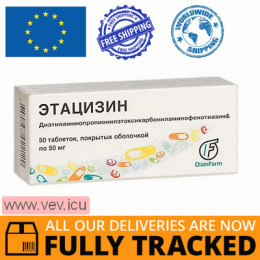
Medicines for treatment: Ethacizine
Supraventricular Tachycardia (SVT)
Supraventricular tachycardia is a type of arrhythmia that originates above the ventricles, in the atria or the AV node of the heart. In SVT, the electrical signals in the heart's upper chambers become abnormal, causing the heart to beat too fast, usually over


Buyers Online
- Customer placed a new order for Gidazepam ІС 20 mg 20 tablets — Made in Ukraine — Free Delivery
- Customer from Doral logged in
- Customer from Port Charlotte registered for an account
- Customer from London registered for an account
- Customer from DUBLIN 7 registered for an account
- Customer from Kennesaw registered for an account
- Customer from Riga registered for an account
- Customer placed a new order for Galstena oral drops 50 ml — Made in Austria — Free Delivery
- Customer placed a new order for CEREBROLYSIN 10ML 5 VILAS - MADE IN AUSTRIA - FREE SHIPPING
- Customer placed a new order for Duxet 60mg 28 capsules — Made in Turkey — Free Delivery
- Customer placed a new order for 2 x MAXIGRA GO 25MG 4 TABS — MADE IN POLAND — FREE SHIPPING
- Customer placed a new order for 2 x FOTIL EYE DROPS 5ML — MADE IN FINLAND — FREE SHIPPING
- Customer from Maple Ridge updated their account details
- Customer from Maple Ridge logged in
- Customer from Gilmanton logged in
- Customer from Lake Stevens logged in
- Customer placed a new order for Lidocain spray 10% 38g — Made in Hungary — Free Delivery
- Customer placed a new order for Soleron 100mg 30 tablets — Made in Ukraine — Free Delivery
- Customer from Gilmanton logged in
- Customer from Founex logged in
Bestsellers








Featured