The Painful Truth About Gout: Understanding Symptoms and Treatment for this Form of Arthritis

- 12 April 2023 22:03:58
- Views: 804
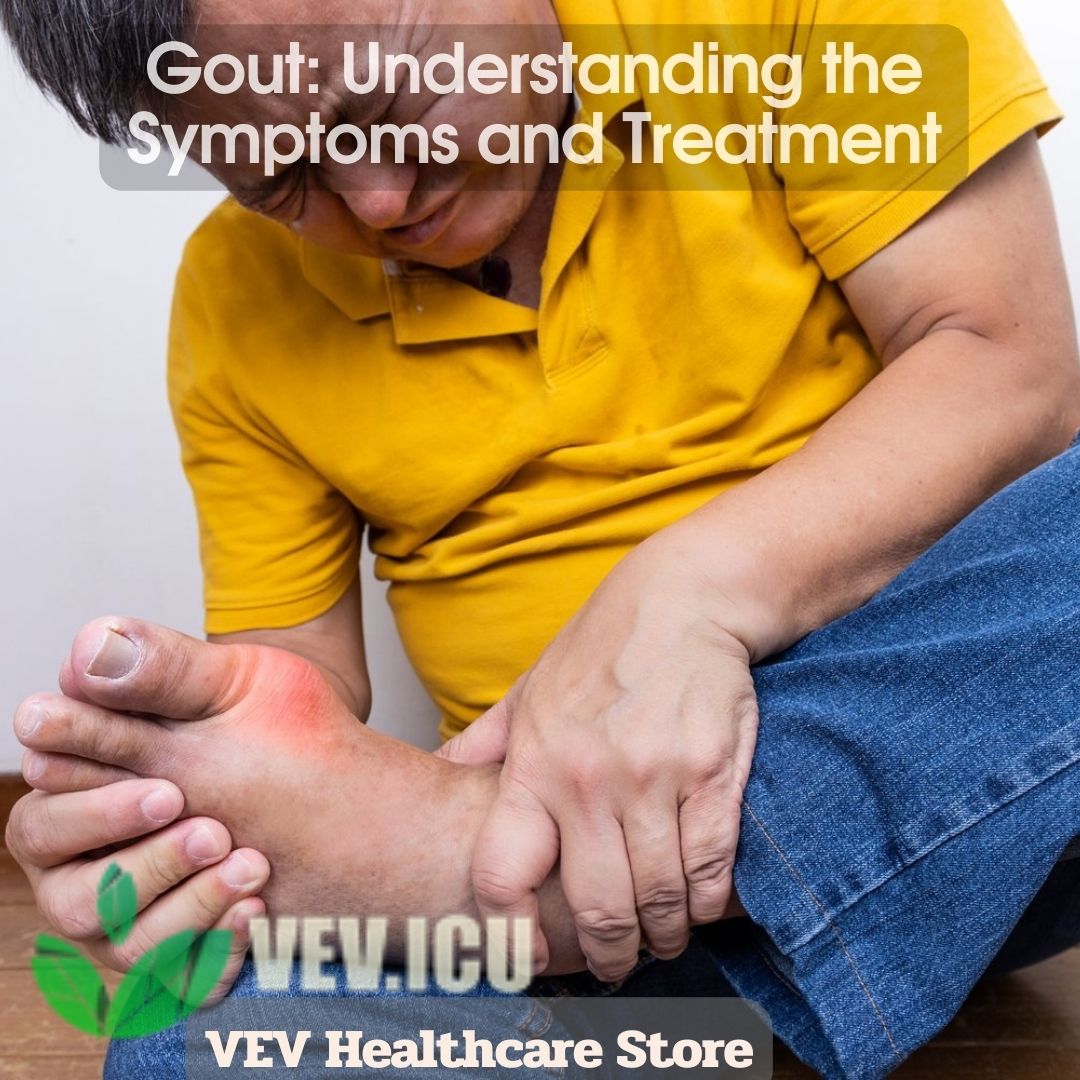
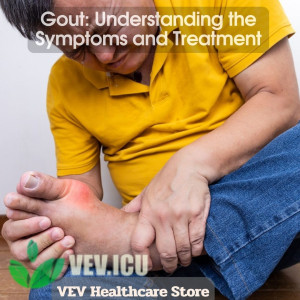
Gout: Understanding the Symptoms and Treatment
Gout is a form of arthritis that causes sudden and severe pain in the joints, often affecting the big toe. It is a complex condition caused by an accumulation of uric acid crystals in the joints, leading to inflammation and pain. In this article, we will delve into the symptoms and treatment options for gout, providing a comprehensive overview of this condition.
Symptoms of Gout:
Gout typically presents with sudden and intense pain, usually in a single joint, most commonly in the big toe. This is known as podagra, which is a hallmark symptom of gout. Other joints that can be affected include the ankle, knee, wrist, and elbow. The pain is often described as throbbing, crushing, or excruciating, and may be accompanied by warmth, redness, and swelling in the affected joint.
Apart from joint pain, gout can also cause other symptoms. These may include:
Tophi: Tophi are small, firm lumps that develop under the skin. They are caused by the accumulation of uric acid crystals and are commonly found in the joints, fingers, elbows, and ears. Tophi can be painful and disfiguring if left untreated.
Limited Range of Motion: Gout can restrict the movement of the affected joint, making it difficult to perform daily activities that require joint mobility, such as walking or using your hands.
Fever: In some cases, gout can be accompanied by a low-grade fever, as the body's immune response reacts to the uric acid crystals in the joints.
Causes of Gout:
Gout is caused by the buildup of uric acid in the blood, a condition known as hyperuricemia. Uric acid is a waste product that is normally processed by the kidneys and excreted in urine. However, in some cases, the body may produce too much uric acid or the kidneys may not be able to effectively eliminate it, leading to its accumulation in the blood and eventual deposition in the joints as sharp, needle-like crystals.
Several factors can increase the risk of developing gout. These may include:
Diet: A diet high in purine-rich foods, such as red meat, seafood, organ meats, and sugary beverages, can increase the production of uric acid in the body, leading to gout.
Obesity: Being overweight or obese can increase the risk of developing gout, as excess body weight puts extra pressure on the joints and can lead to increased uric acid production.
Genetics: Gout can run in families, indicating a genetic predisposition to the condition.
Medical Conditions: Certain medical conditions, such as kidney disease, hypertension, and metabolic syndrome, can increase the risk of developing gout.
Treatment of Gout:
The management of gout usually involves a combination of lifestyle changes, medications, and self-care measures. The treatment plan may vary depending on the severity of the condition, the frequency of attacks, and the presence of other health conditions.
Medications: Medications are commonly used to manage the symptoms of gout and prevent future flare-ups. Nonsteroidal anti-inflammatory drugs (NSAIDs) such as ibuprofen and naproxen can help reduce pain and inflammation during acute attacks. Colchicine, a medication specifically used for gout, can also help relieve pain and reduce inflammation. Corticosteroids may be prescribed for severe cases or for those who cannot tolerate NSAIDs or colchicine. Long-term medications such as xanthine oxidase inhibitors (e.g., allopurinol) and uricosuric drugs (e.g., probenecid) may be prescribed to lower uric acid levels in the blood and prevent future gout attacks.
Lifestyle changes: Making certain lifestyle changes can also be effective in managing gout. These may include:
Diet modification: Avoiding or limiting foods that are high in purines, such as red meat, organ meats, seafood, and sugary beverages, can help reduce the production of uric acid in the body. Consuming a diet that is low in purines and rich in fruits, vegetables, whole grains, and low-fat dairy products can be beneficial for gout management.
Weight management: Maintaining a healthy weight can help reduce the risk of gout and its severity. Losing weight if you are overweight or obese, through a combination of healthy eating and regular exercise, can help lower uric acid levels in the blood.
Hydration: Staying well-hydrated by drinking plenty of water can help flush out excess uric acid from the body and prevent its accumulation in the joints.
Alcohol consumption: Limiting or avoiding alcohol, particularly beer and liquor, which are high in purines, can help reduce the risk of gout attacks.
Self-care measures: Taking care of the affected joints during a gout attack can help alleviate symptoms and promote healing. This may include:
Rest: Resting the affected joint and avoiding activities that exacerbate pain can help reduce inflammation and promote healing.
Ice: Applying ice packs to the affected joint can help reduce swelling and relieve pain during an acute gout attack.
Elevation: Elevating the affected joint can help reduce swelling and improve blood flow to the area, which can promote healing.
Managing underlying health conditions: If you have other health conditions, such as hypertension or kidney disease, working with your healthcare provider to effectively manage these conditions can help reduce the risk of gout and its severity.
Buy medicines in our online store VEV.ICU
In conclusion, gout is a form of arthritis characterized by sudden and severe joint pain caused by the accumulation of uric acid crystals. It can significantly impact the quality of life and require ongoing management. Treatment for gout typically involves a combination of lifestyle changes, medications, and self-care measures. If you suspect you have gout or are experiencing symptoms such as sudden joint pain, redness, and swelling, it is important to consult with a healthcare provider for proper diagnosis and management. With proper treatment and lifestyle modifications, most people with gout can effectively manage their condition and lead a fulfilling life.
Buyers Online
- Customer from Brooklyn updated their account details
- Customer from Brooklyn logged in
- Customer from Strongsville logged in
- Customer from Brooklyn updated their account details
- Customer from Brooklyn placed a new order for VOLTAREN MAX GEL 180G - MADE IN SWITZERLAND - FREE SHIPPING
- Customer from Brooklyn logged in
- Customer placed a new order for DEBUTIR FORTE 60 СAPS — MADE IN POLAND- FREE SHIPPING
- Customer from Ottawa updated their account details
- Customer from Ottawa registered for an account
- Customer placed a new order for STRESAM 50MG 60 PILLS - MADE IN FRANCE - FREE SHIPPING
- Customer placed a new order for ACNE-DERM Cream 2p x 20Gr — Made in Poland by Uniapharm — Free Delivery
- Customer placed a new order for Ascorbic acid 0,05g 2p x 160 tablets — Made in Ukraine — Free Delivery
- Customer placed a new order for Fanigan 100 tablets — Made in India — Free Delivery
- Customer from Raleigh placed a new order for Essentiale Forte 300 mg, 2p x 50 capsules — Made in Poland — Free Delivery
- Customer from Raleigh logged in
- Customer placed a new order for TENOTEN FOR CHILDREN 40 PILLS — MADE IN LITHUANIA — FREE SHIPPING
- Customer from Raleigh logged in
- Customer placed a new order for Aqua Maris for Children from Birth nasal drops 10 ml — Made in Croatia — Free Deliver
- Customer from Raleigh logged in
- Customer from Raleigh placed a new order for Essentiale Forte 300 mg, 2p x 50 capsules — Made in Poland — Free Delivery
Latest









Bestsellers