Understanding and Treating Cerebral Circulation Disorders

- 04 April 2023 19:08:31
- Views: 1570
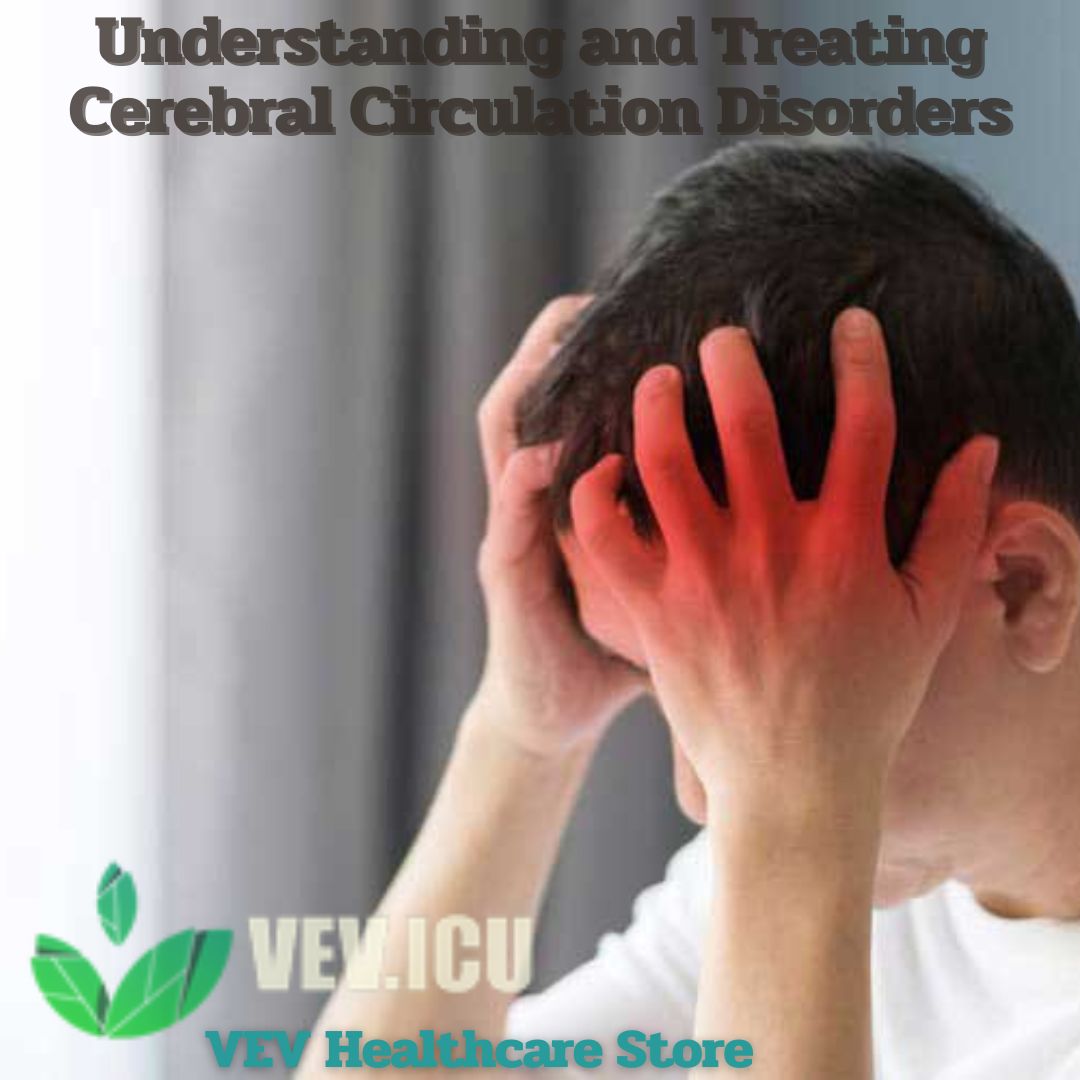
Cerebral circulation refers to the blood flow within the brain and is essential for the proper functioning of the brain. Any disruption in this flow can lead to various cerebral circulation disorders, which can have serious consequences if left untreated. In this article, we will discuss the symptoms and treatments of cerebral circulation disorders.
Symptoms of cerebral circulation disorders:
The symptoms of cerebral circulation disorders can vary depending on the severity and type of disorder. Some common symptoms include:
Headaches: Headaches are a common symptom of cerebral circulation disorders, and they may occur frequently or persist for extended periods.
Dizziness: A feeling of dizziness or lightheadedness can be an indication of a cerebral circulation disorder.
Numbness or weakness: Numbness or weakness in the arms, legs, or face can occur in people with cerebral circulation disorders.
Confusion or memory loss: Cerebral circulation disorders can lead to confusion, forgetfulness, or memory loss.
Speech problems: Difficulty speaking or understanding language can be a sign of a cerebral circulation disorder.
Vision problems: Blurred vision or temporary vision loss can occur in people with cerebral circulation disorders.
Treatments for cerebral circulation disorders:
The treatment of cerebral circulation disorders depends on the type and severity of the disorder. Some common treatments include:
Medications: Medications can help reduce the risk of blood clots and stroke in people with cerebral circulation disorders. These medications can include blood thinners, antiplatelet drugs, or medications that lower blood pressure.
Surgery: In some cases, surgery may be necessary to treat a cerebral circulation disorder. Surgical procedures can include carotid endarterectomy, which removes plaque from the carotid arteries, or aneurysm clipping, which repairs a weakened blood vessel.
Lifestyle changes: Making lifestyle changes can help reduce the risk of developing a cerebral circulation disorder or managing symptoms. These changes can include eating a healthy diet, getting regular exercise, quitting smoking, and managing stress.
Rehabilitation: People with cerebral circulation disorders may benefit from rehabilitation programs that can help them regain lost abilities and improve their quality of life.
Medicines for treatment: Gliatilin
In conclusion, cerebral circulation disorders can have serious consequences if left untreated. Understanding the symptoms and seeking prompt medical attention can help prevent complications and improve outcomes. Treatment options vary depending on the type and severity of the disorder, and can include medications, surgery, lifestyle changes, and rehabilitation. If you experience any symptoms of a cerebral circulation disorder, seek medical attention immediately.
Buyers Online
- Customer from Brooklyn updated their account details
- Customer from Brooklyn logged in
- Customer from Strongsville logged in
- Customer from Brooklyn updated their account details
- Customer from Brooklyn placed a new order for VOLTAREN MAX GEL 180G - MADE IN SWITZERLAND - FREE SHIPPING
- Customer from Brooklyn logged in
- Customer placed a new order for DEBUTIR FORTE 60 СAPS — MADE IN POLAND- FREE SHIPPING
- Customer from Ottawa updated their account details
- Customer from Ottawa registered for an account
- Customer placed a new order for STRESAM 50MG 60 PILLS - MADE IN FRANCE - FREE SHIPPING
- Customer placed a new order for ACNE-DERM Cream 2p x 20Gr — Made in Poland by Uniapharm — Free Delivery
- Customer placed a new order for Ascorbic acid 0,05g 2p x 160 tablets — Made in Ukraine — Free Delivery
- Customer placed a new order for Fanigan 100 tablets — Made in India — Free Delivery
- Customer from Raleigh placed a new order for Essentiale Forte 300 mg, 2p x 50 capsules — Made in Poland — Free Delivery
- Customer from Raleigh logged in
- Customer placed a new order for TENOTEN FOR CHILDREN 40 PILLS — MADE IN LITHUANIA — FREE SHIPPING
- Customer from Raleigh logged in
- Customer placed a new order for Aqua Maris for Children from Birth nasal drops 10 ml — Made in Croatia — Free Deliver
- Customer from Raleigh logged in
- Customer from Raleigh placed a new order for Essentiale Forte 300 mg, 2p x 50 capsules — Made in Poland — Free Delivery
Latest










Bestsellers