Cold Sore SOS: Effective Treatment and Prevention Strategies


- 23 April 2023 14:01:21
- Views: 906
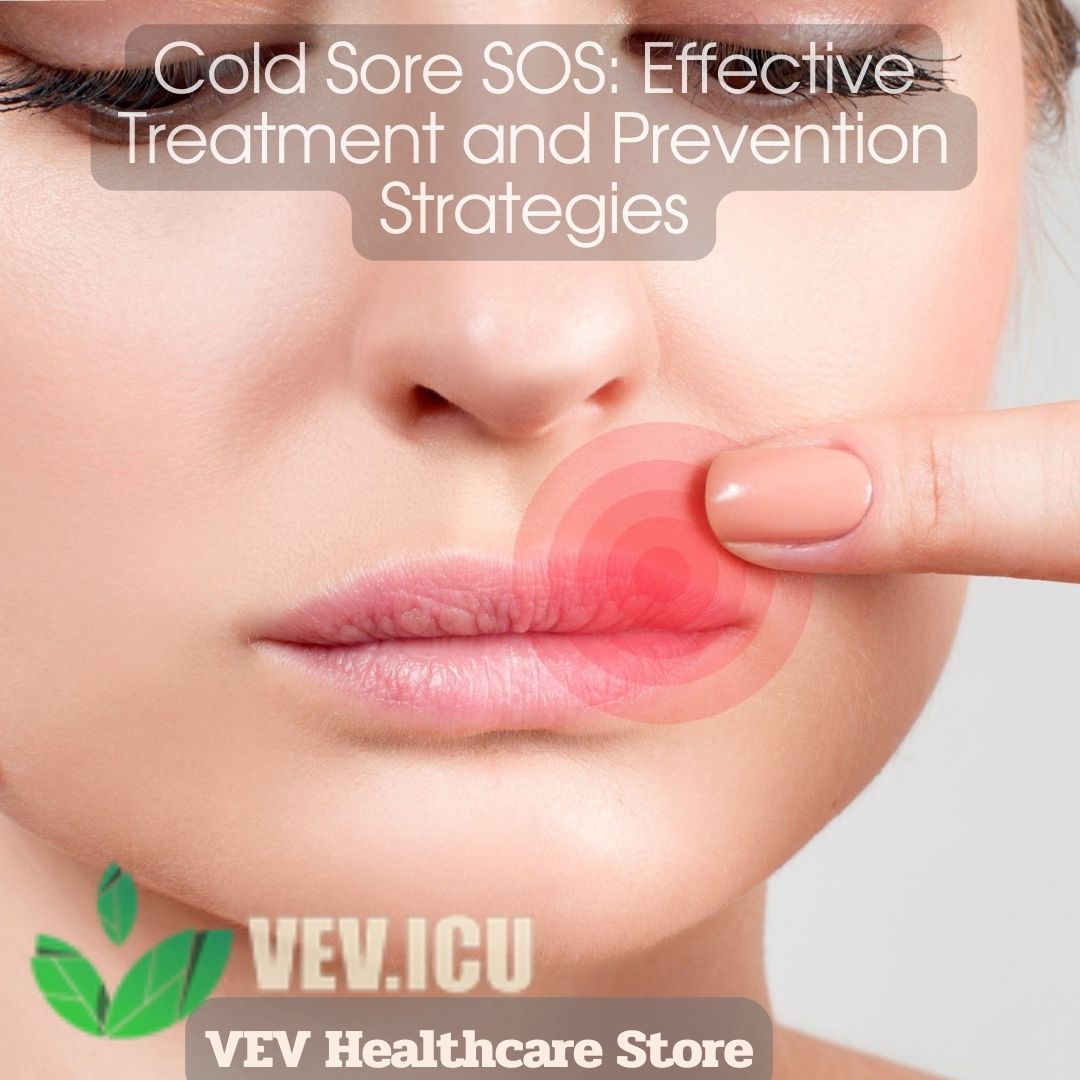
Cold sores, also known as fever blisters, are a common viral infection that affects many people worldwide.
They are caused by the herpes simplex virus (HSV-1), which is highly contagious and can spread through close personal contact or by sharing items like utensils or towels. Cold sores are characterized by small, fluid-filled blisters that usually appear around the lips or mouth, although they can also occur on the nose, chin, or cheeks.
Symptoms of Cold Sores:
The first symptom of a cold sore is typically a tingling or burning sensation around the mouth, which may be accompanied by itching or soreness. This is known as the prodromal stage and usually lasts for a day or two before the blister appears. After the blister forms, it may rupture and ooze fluid, and then crust over and heal within a week to 10 days. During this time, the area around the blister may be swollen, red, and painful, and some people may experience fever, headache, and swollen lymph nodes.
Treatment of Cold Sores:
While cold sores can be painful and unsightly, they usually go away on their own without treatment. However, there are several remedies that can help to ease the symptoms and speed up the healing process:
1. Over-the-counter (OTC) creams and ointments: These can help to reduce pain and itching, and may contain antiviral ingredients that can help to speed up healing. Common OTC products include Abreva, Docosanol, and Acyclovir cream.
2. Cold compresses: Applying a cold, damp cloth to the affected area can help to reduce swelling and discomfort.
3. Pain relievers: Over-the-counter pain medications such as ibuprofen or acetaminophen can help to reduce pain and fever associated with cold sores.
4. Antiviral medications: In some cases, a doctor may prescribe an antiviral medication such as acyclovir or valacyclovir to help speed up healing and prevent future outbreaks.
Prevention of Cold Sores:
The best way to prevent cold sores is to avoid close personal contact with someone who has an active outbreak. Additionally, you should avoid sharing personal items like utensils, towels, or lip balm with others, as these items can spread the virus. If you have a history of cold sores, it's important to take steps to reduce your risk of outbreaks, such as getting enough rest, managing stress, and avoiding triggers like excessive sun exposure or certain foods.
In conclusion, cold sores are a common and highly contagious viral infection that can cause discomfort and embarrassment. While they usually go away on their own within a week or so, there are several treatments that can help to ease symptoms and speed up healing. By taking steps to prevent outbreaks and practicing good hygiene, you can reduce your risk of developing cold sores and keep yourself and others healthy.
People also ask:
What are cold sores caused by?
Cold sores, also known as fever blisters, are caused by the herpes simplex virus (HSV-1). This highly contagious virus can spread through close personal contact, such as kissing, or by sharing items like utensils, towels, or lip balm. Once the virus enters the body, it can remain dormant for long periods of time before causing an outbreak of cold sores.
How do you heal a cold sore fast?
While there is no cure for cold sores, there are several things you can do to help speed up the healing process and reduce symptoms:
1. Apply an over-the-counter cream or ointment, such as Abreva or Docosanol, to the affected area.
2. Use a cold compress or ice pack to reduce swelling and pain.
3. Take an over-the-counter pain reliever, such as ibuprofen or acetaminophen, to help ease discomfort.
4. Avoid touching the cold sore and wash your hands frequently to prevent the spread of the virus.
5. Eat a healthy, balanced diet and get plenty of rest to support your immune system.
6. Apply aloe vera gel or petroleum jelly to help soothe and protect the affected area.
7. If your cold sore is particularly severe or lasts for more than a few weeks, consult a doctor who may prescribe antiviral medication such as acyclovir or valacyclovir.
It's important to note that while these remedies can help to speed up healing, there is no cure for cold sores, and the virus can remain in your body even after symptoms have disappeared. Therefore, it's important to take steps to prevent future outbreaks, such as practicing good personal hygiene, avoiding triggers like stress and excessive sun exposure, and using antiviral medication as prescribed by a doctor.
Is it normal to have a cold sore?
Yes, it is normal to have a cold sore. Cold sores, also known as fever blisters, are a common viral infection caused by the herpes simplex virus (HSV-1). The virus is highly contagious and can be easily spread through close personal contact or by sharing items like utensils or towels.
Once you are infected with HSV-1, the virus can remain dormant in your body for long periods of time before causing an outbreak of cold sores. While there is no cure for the virus, there are several treatments that can help to ease symptoms and speed up healing.
It's important to note that while cold sores are common and usually not a cause for concern, they can be particularly dangerous for people with weakened immune systems, infants, and pregnant women. If you experience frequent or severe outbreaks of cold sores, it's important to consult a doctor who can provide appropriate treatment and help you manage your symptoms.
How long do cold sores last?
The duration of a cold sore can vary depending on the individual and the severity of the outbreak. In general, cold sores can last anywhere from a few days to a few weeks.
The cold sore outbreak typically goes through several stages. The first stage is the prodromal stage, which is characterized by tingling, itching, or burning sensations on the lips or around the mouth. This stage can last for a few hours up to a day or two.
The next stage is the blister stage, during which small, fluid-filled blisters appear on the lips or around the mouth. These blisters can be painful and may last for several days.
The final stage is the healing stage, during which the blisters crust over and scab before eventually falling off. This stage can last for several days to a week or more.
It's important to note that while the visible symptoms of a cold sore may disappear after a week or two, the virus that causes cold sores can remain in the body and can cause future outbreaks. Therefore, it's important to take steps to prevent future outbreaks by practicing good personal hygiene, avoiding triggers like stress and excessive sun exposure, and using antiviral medication as prescribed by a doctor.




Buyers Online
- Customer from Port Charlotte registered for an account
- Customer from London registered for an account
- Customer from DUBLIN 7 registered for an account
- Customer from Kennesaw registered for an account
- Customer from Riga registered for an account
- Customer placed a new order for Galstena oral drops 50 ml — Made in Austria — Free Delivery
- Customer placed a new order for CEREBROLYSIN 10ML 5 VILAS - MADE IN AUSTRIA - FREE SHIPPING
- Customer placed a new order for Duxet 60mg 28 capsules — Made in Turkey — Free Delivery
- Customer placed a new order for 2 x MAXIGRA GO 25MG 4 TABS — MADE IN POLAND — FREE SHIPPING
- Customer placed a new order for 2 x FOTIL EYE DROPS 5ML — MADE IN FINLAND — FREE SHIPPING
- Customer from Maple Ridge updated their account details
- Customer from Maple Ridge logged in
- Customer from Gilmanton logged in
- Customer from Lake Stevens logged in
- Customer placed a new order for Lidocain spray 10% 38g — Made in Hungary — Free Delivery
- Customer placed a new order for Soleron 100mg 30 tablets — Made in Ukraine — Free Delivery
- Customer from Gilmanton logged in
- Customer from Founex logged in
- Customer from Miami Beach placed a new order for Essentiale N solution for injection 250mg/5ml, 5 ml x 5 ampoules — Made in Spain — Free Delivery
- Customer from Miami Beach registered for an account
Bestsellers






Featured