Dandruff Demystified: Understanding the Itchy Scalp Dilemma

- 11 September 2023 18:31:46
- Views: 713
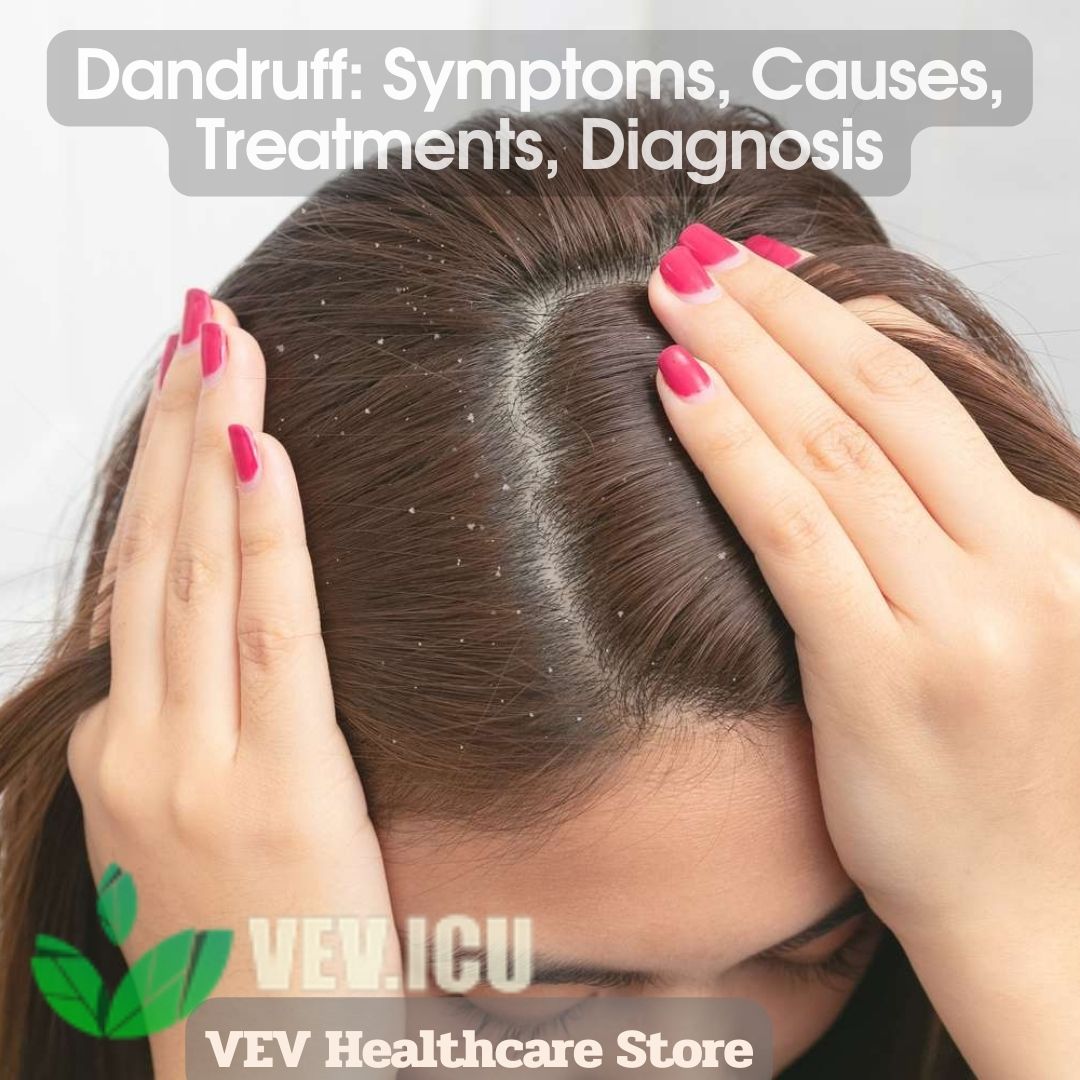
Dandruff Demystified: Understanding the Itchy Scalp Dilemma
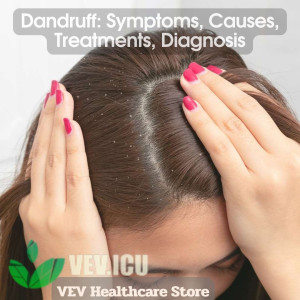
Dandruff - a seemingly innocuous word that can wreak havoc on your confidence and comfort. If you've ever found yourself brushing off those pesky white flakes from your shoulders or experiencing that persistent itch on your scalp, you're not alone. Dandruff is a common scalp condition that affects millions of people, and it's not just a cosmetic concern. In this comprehensive guide, we will explore the symptoms, causes, diagnosis, and effective treatments for dandruff, arming you with the knowledge to bid farewell to the white menace once and for all.
Understanding Dandruff
Dandruff refers to the shedding of dead skin cells from the scalp, often resulting in those characteristic white flakes. It's a benign, albeit irritating, condition that tends to be more prevalent in adults. While dandruff is generally harmless, it can be embarrassing and uncomfortable.
Symptoms of Dandruff
Identifying dandruff is usually straightforward, as it presents with several distinct symptoms, including:
Flakes: The most noticeable symptom is the presence of white or yellowish flakes on your scalp and in your hair. These flakes may be larger and more abundant during a dandruff flare-up.
Itching: Dandruff is notorious for causing an itchy scalp. The constant urge to scratch can be not only uncomfortable but also embarrassing in social situations.
Dryness: Often, the scalp affected by dandruff appears dry and can feel tight or taut.
Redness: In some cases, dandruff can lead to mild redness and irritation on the scalp.
Oily Scalp: Paradoxically, dandruff can also be associated with an oily scalp. This can make the flakes appear more greasy and yellowish.
While these symptoms are typical, it's essential to differentiate dandruff from other scalp conditions like psoriasis or eczema, which may have similar symptoms but require different treatments.
Causes of Dandruff
Understanding the causes of dandruff is crucial to effectively manage and prevent it. Several factors contribute to the development of dandruff, including:
Malassezia: This is a type of yeast that naturally resides on the scalp. When it overgrows, it can irritate the scalp and lead to dandruff.
Oily Skin: Excessive oil production by the sebaceous glands can provide an ideal environment for Malassezia to flourish.
Dry Skin: Conversely, a dry scalp can also be a trigger for dandruff, as the skin cells may flake off more easily.
Sensitivity to Hair Care Products: Some individuals may have a sensitivity or allergy to certain hair care products, leading to an itchy, flaky scalp.
Diet: While the link is not fully understood, some studies suggest that a diet high in sugar and unhealthy fats may contribute to dandruff.
Stress: Chronic stress can weaken the immune system, making the scalp more susceptible to dandruff.
Other Skin Conditions: Conditions like psoriasis, eczema, and dermatitis can mimic dandruff and may coexist with it.
Diagnosis
If you suspect you have dandruff, it's advisable to consult a dermatologist or a healthcare professional for a definitive diagnosis. They can distinguish dandruff from other conditions through a visual examination of your scalp and may take a skin scraping to confirm the presence of Malassezia.
In some cases, a scalp biopsy might be necessary for a more in-depth analysis, although this is relatively rare. A biopsy can help rule out other skin conditions and provide valuable insights into the severity of your dandruff.
Treatment Options
The good news is that dandruff is usually manageable and treatable. The choice of treatment depends on the severity of your condition, but there are various options available.
Over-the-Counter (OTC) Shampoos
For mild dandruff, OTC shampoos can often provide relief. Look for shampoos that contain active ingredients like:
Zinc pyrithione: This antifungal agent helps reduce the growth of Malassezia.
Salicylic acid: It helps exfoliate dead skin cells, reducing flakiness.
Selenium sulfide: This slows down the turnover of skin cells and reduces itching and flaking.
Ketoconazole: An antifungal medication that effectively targets Malassezia.
Using these shampoos as directed can help control dandruff and prevent its recurrence. It's essential to follow the instructions on the label, as some may recommend daily use initially, then less frequently once the dandruff is under control.
Prescription Medications
If OTC shampoos prove ineffective, your dermatologist may prescribe stronger medicated shampoos or topical corticosteroids to reduce inflammation and itching. These medications are usually reserved for moderate to severe cases of dandruff.
Lifestyle Changes
In addition to topical treatments, certain lifestyle adjustments can help manage dandruff:
Regular Shampooing: Washing your hair regularly helps prevent the buildup of oil and dead skin cells.
Gentle Shampooing: Be gentle when washing your hair, as aggressive scrubbing can irritate the scalp.
Avoiding Irritants: Stay away from hair care products that contain harsh chemicals or fragrances that might exacerbate dandruff.
Diet: While the link between diet and dandruff isn't fully understood, maintaining a balanced diet rich in vitamins and minerals can support overall scalp health.
Stress Management: Incorporating stress-reduction techniques like yoga or meditation can help reduce flare-ups.
When to Seek Professional Help
If your dandruff persists despite trying OTC treatments and making lifestyle changes, it's crucial to consult a healthcare professional or dermatologist. They can determine if an underlying medical condition is contributing to your dandruff and recommend appropriate treatment.
Conclusion
Dandruff might be a common scalp condition, but it's far from a minor annoyance. Its physical and emotional impact can be significant. However, armed with knowledge about its symptoms, causes, and treatment options, you can take control of your scalp health.
Remember that dandruff is manageable, and there are numerous effective treatments available, from over-the-counter shampoos to prescription medications. With the guidance of a healthcare professional and a commitment to a healthy scalp care routine, you can bid farewell to the flakes and itching, and say hello to a more comfortable and confident you.
Buyers Online
- Customer from Raleigh logged in
- Customer placed a new order for Uro-Vaxom 6mg 30 tablets — Made in Switzerland — Free Delivery
- Customer from Trieste logged in
- Customer placed a new order for NIMESIL 2G X 30 SACHETS 100 MG — MADE IN GERMANY — FREE SHIPPING
- Customer from Brooklyn updated their account details
- Customer from Brooklyn logged in
- Customer from Strongsville logged in
- Customer from Brooklyn updated their account details
- Customer from Brooklyn placed a new order for VOLTAREN MAX GEL 180G - MADE IN SWITZERLAND - FREE SHIPPING
- Customer from Brooklyn logged in
- Customer placed a new order for DEBUTIR FORTE 60 СAPS — MADE IN POLAND- FREE SHIPPING
- Customer from Ottawa updated their account details
- Customer from Ottawa registered for an account
- Customer placed a new order for STRESAM 50MG 60 PILLS - MADE IN FRANCE - FREE SHIPPING
- Customer placed a new order for ACNE-DERM Cream 2p x 20Gr — Made in Poland by Uniapharm — Free Delivery
- Customer placed a new order for Ascorbic acid 0,05g 2p x 160 tablets — Made in Ukraine — Free Delivery
- Customer placed a new order for Fanigan 100 tablets — Made in India — Free Delivery
- Customer from Raleigh placed a new order for Essentiale Forte 300 mg, 2p x 50 capsules — Made in Poland — Free Delivery
- Customer from Raleigh logged in
- Customer placed a new order for TENOTEN FOR CHILDREN 40 PILLS — MADE IN LITHUANIA — FREE SHIPPING
Latest







Bestsellers