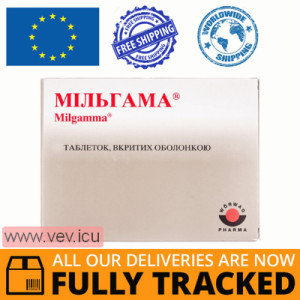


10 Key Benefits of Milgamma Injection for Neurological Health & Recovery

- 23 October 2024 13:44:53
- Views: 958
What Is Milgamma Injection?
Milgamma Injection is a potent therapeutic solution that combines essential neurotropic B vitamins, specifically B1 (thiamine), B6 (pyridoxine), and B12 (cobalamin), to support neurological health and address deficiencies. With its unique formulation, Milgamma Injection is designed to provide relief from a variety of neurological conditions and enhance overall well-being.
Why Are Neurotropic B Vitamins Important?
The Role of B Vitamins in Neurological Health
Neurotropic B vitamins play a crucial role in maintaining the health of the nervous system. They are essential for various biochemical processes that ensure proper nerve function, enhance blood circulation, and improve the body's ability to heal. Milgamma’s combination of vitamins B1, B6, and B12 works synergistically to alleviate symptoms associated with nerve damage and support recovery from degenerative nerve diseases.
How Does Milgamma Injection Work?
Pharmacodynamics: The Science Behind the Relief
The pharmacodynamics of Milgamma Injection reveal how its components work effectively to improve nerve health:
Vitamin B1 (Thiamine): Essential for carbohydrate metabolism, vitamin B1 is converted into thiamine diphosphate, a coenzyme that plays a vital role in energy production within the nervous system. A deficiency in thiamine can lead to the accumulation of harmful metabolites, causing dysfunction and pain.
Vitamin B6 (Pyridoxine): This vitamin acts as a coenzyme in amino acid metabolism and neurotransmitter synthesis. It is crucial for the formation of serotonin, dopamine, and other neurotransmitters that regulate mood and pain perception. Vitamin B6 also participates in hemoglobin synthesis, promoting better oxygen delivery to tissues.
Vitamin B12 (Cobalamin): Known for its role in red blood cell production and DNA synthesis, vitamin B12 is essential for cellular metabolism. It helps maintain healthy nerve cells and has analgesic properties, reducing pain and discomfort in patients with nerve damage.
Who Can Benefit from Milgamma Injection?
Indications for Use
Milgamma Injection is recommended for individuals experiencing a range of neurological conditions, including:
Neuritis and Neuralgia: Alleviates pain associated with inflammation of the nerves.
Polyneuropathy: Particularly useful for diabetic or alcoholic polyneuropathy, addressing nerve damage caused by these conditions.
Radicular Syndrome: Provides relief from pain radiating along the nerve due to herniated discs or nerve compression.
Retrobulbar Neuritis: Addresses inflammation of the optic nerve.
Facial Nerve Lesions: Aids recovery from Bell’s palsy or other facial nerve injuries.
How Is Milgamma Injection Administered?
Injection Guidelines for Optimal Results
Milgamma Injection is intended for intramuscular administration. Here’s how to use it effectively:
Initial Treatment: For acute symptoms, administer 2 ml of the solution once daily until the acute phase subsides.
Continuation: Following the acute phase, maintain treatment with 2 ml injections 2-3 times a week.
Duration: The treatment course typically lasts a minimum of one month, with adjustments made based on individual response and physician recommendations.
Are There Any Contraindications?
Important Safety Considerations
While Milgamma Injection is generally safe, it is essential to consider the following contraindications:
Hypersensitivity: Individuals with known allergies to any of the components should avoid use.
Acute Cardiac Issues: Patients with acute cardiac conduction disorders or decompensated heart failure should not use Milgamma.
Gastrointestinal Concerns: Those with active gastric or duodenal ulcers, as vitamin B6 can increase acidity.
What Are the Possible Side Effects?
Understanding Adverse Reactions
While side effects are generally rare, potential reactions include:
Digestive Issues: Nausea, vomiting, diarrhea, and abdominal pain.
Cardiovascular Effects: Tachycardia or other cardiac disturbances.
Allergic Reactions: Skin rashes or severe reactions like anaphylaxis.
Nervous System: Long-term use of high doses may lead to peripheral neuropathy or nervous excitement.
Special Instructions for Use
Precautions and Monitoring
Long-Term Use: Regular monitoring is essential for patients on prolonged treatment, especially those taking high doses of vitamin B6, due to the risk of sensory neuropathy.
Pregnancy and Lactation: Use during pregnancy should be approached cautiously, adhering to recommended daily allowances for vitamins B1 and B6. High doses of B6 may reduce milk supply during breastfeeding.
Children: Milgamma Injection is not recommended for pediatric patients due to insufficient safety data.
Conclusion: Choose Milgamma Injection for Your Neurological Health
Milgamma Injection is a powerful tool in managing and treating neurological conditions. Its unique blend of B vitamins not only addresses deficiencies but also promotes overall nervous system health. If you or a loved one are dealing with nerve-related issues, consider Milgamma Injection as a part of your treatment plan.
Buyers Online
- Customer placed a new order for NIMESIL 2G X 30 SACHETS 100 MG — MADE IN GERMANY — FREE SHIPPING
- Customer from Brooklyn updated their account details
- Customer from Brooklyn logged in
- Customer from Strongsville logged in
- Customer from Brooklyn updated their account details
- Customer from Brooklyn placed a new order for VOLTAREN MAX GEL 180G - MADE IN SWITZERLAND - FREE SHIPPING
- Customer from Brooklyn logged in
- Customer placed a new order for DEBUTIR FORTE 60 СAPS — MADE IN POLAND- FREE SHIPPING
- Customer from Ottawa updated their account details
- Customer from Ottawa registered for an account
- Customer placed a new order for STRESAM 50MG 60 PILLS - MADE IN FRANCE - FREE SHIPPING
- Customer placed a new order for ACNE-DERM Cream 2p x 20Gr — Made in Poland by Uniapharm — Free Delivery
- Customer placed a new order for Ascorbic acid 0,05g 2p x 160 tablets — Made in Ukraine — Free Delivery
- Customer placed a new order for Fanigan 100 tablets — Made in India — Free Delivery
- Customer from Raleigh placed a new order for Essentiale Forte 300 mg, 2p x 50 capsules — Made in Poland — Free Delivery
- Customer from Raleigh logged in
- Customer placed a new order for TENOTEN FOR CHILDREN 40 PILLS — MADE IN LITHUANIA — FREE SHIPPING
- Customer from Raleigh logged in
- Customer placed a new order for Aqua Maris for Children from Birth nasal drops 10 ml — Made in Croatia — Free Deliver
- Customer from Raleigh logged in
Latest






Bestsellers