

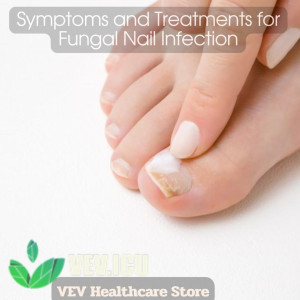
Symptoms and Treatments for Fungal Nail Infection

- 24 April 2023 10:40:51
- Views: 1325

Fungal nail infections are a common problem that affects many adults, particularly those over the age of 40. The condition can be uncomfortable and embarrassing, but there are several treatment options available. In this article, we'll explore the symptoms and treatments for fungal nail infections.
Symptoms of Fungal Nail Infection
The most common symptom of a fungal nail infection is a discolored nail that may appear yellow or brown. The nail may also become thickened or brittle, and may separate from the nail bed. Other symptoms may include a foul odor, pain or discomfort, and difficulty walking or wearing shoes.
Treatments for Fungal Nail Infection
If you suspect that you have a fungal nail infection, it's important to seek treatment from a medical professional. Treatment options may include topical or oral antifungal medications, or a combination of both. In severe cases, the affected nail may need to be removed surgically.
Topical Antifungal Medications
Topical antifungal medications are applied directly to the affected nail and surrounding skin. These medications may be available as creams, ointments, or nail lacquers. The length of treatment will depend on the severity of the infection, but may last several weeks or months.
Oral Antifungal Medications
Oral antifungal medications are taken by mouth and work from the inside out. These medications may be more effective than topical treatments, but may also have more potential side effects. Treatment with oral antifungal medications may last several months.
Surgical Removal
In severe cases of fungal nail infection, the affected nail may need to be surgically removed. This procedure is usually performed under local anesthesia and involves removing the entire nail. After the procedure, a new nail will grow in its place, which can take several months.
Preventing Fungal Nail Infection
Preventing fungal nail infections can be challenging, but there are several steps you can take to reduce your risk. These include:
- Keeping your feet clean and dry
- Wearing shoes that fit properly
- Avoiding sharing nail clippers or other personal care items
- Wearing shower shoes or sandals in public showers or locker rooms
- Not walking barefoot in public areas
In conclusion, fungal nail infections are a common problem that can cause discomfort and embarrassment. However, with the right treatment and preventative measures, you can reduce your risk of developing this condition and manage any existing infections effectively.
People also ask:
How do I get rid of a fungal infection in my nail?
To get rid of a fungal infection in your nail, it's important to seek treatment from a medical professional. Treatment options may include topical or oral antifungal medications, or a combination of both. In severe cases, the affected nail may need to be removed surgically. Topical antifungal medications are applied directly to the affected nail and surrounding skin, while oral antifungal medications are taken by mouth and work from the inside out. Treatment with antifungal medications may last several weeks or months. Additionally, it's important to take steps to prevent further infections, such as keeping your feet clean and dry, wearing shoes that fit properly, avoiding sharing nail clippers or other personal care items, and not walking barefoot in public areas.
What are 3 signs of a fungal nail infection?
Three signs of a fungal nail infection are:
1. Discoloration: The nail may appear yellow or brownish in color.
2. Thickening: The nail may become thicker than usual and may be difficult to trim.
3. Separation: The nail may separate from the nail bed, leading to pain or discomfort, and a foul odor. Other signs may include brittleness, changes in texture or shape, and difficulty walking or wearing shoes. If you suspect that you have a fungal nail infection, it's important to seek treatment from a medical professional.
Buyers Online
- Customer placed a new order for NIMESIL 2G X 30 SACHETS 100 MG — MADE IN GERMANY — FREE SHIPPING
- Customer from Brooklyn updated their account details
- Customer from Brooklyn logged in
- Customer from Strongsville logged in
- Customer from Brooklyn updated their account details
- Customer from Brooklyn placed a new order for VOLTAREN MAX GEL 180G - MADE IN SWITZERLAND - FREE SHIPPING
- Customer from Brooklyn logged in
- Customer placed a new order for DEBUTIR FORTE 60 СAPS — MADE IN POLAND- FREE SHIPPING
- Customer from Ottawa updated their account details
- Customer from Ottawa registered for an account
- Customer placed a new order for STRESAM 50MG 60 PILLS - MADE IN FRANCE - FREE SHIPPING
- Customer placed a new order for ACNE-DERM Cream 2p x 20Gr — Made in Poland by Uniapharm — Free Delivery
- Customer placed a new order for Ascorbic acid 0,05g 2p x 160 tablets — Made in Ukraine — Free Delivery
- Customer placed a new order for Fanigan 100 tablets — Made in India — Free Delivery
- Customer from Raleigh placed a new order for Essentiale Forte 300 mg, 2p x 50 capsules — Made in Poland — Free Delivery
- Customer from Raleigh logged in
- Customer placed a new order for TENOTEN FOR CHILDREN 40 PILLS — MADE IN LITHUANIA — FREE SHIPPING
- Customer from Raleigh logged in
- Customer placed a new order for Aqua Maris for Children from Birth nasal drops 10 ml — Made in Croatia — Free Deliver
- Customer from Raleigh logged in
Latest









Bestsellers